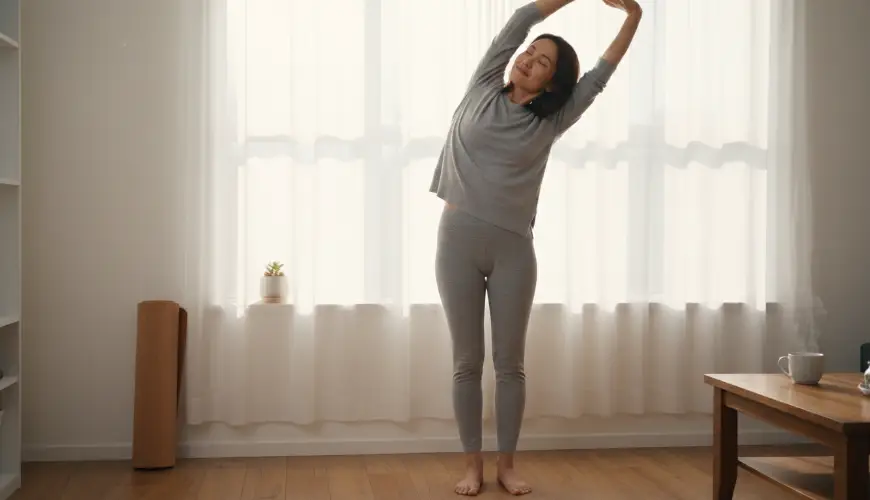
Moving based on your mood isn't laziness. It's a way to stop fighting with yourself and finally start truly enjoying movement without guilt over every missed workout. [Read more]

Moving based on your mood isn't laziness. It's a way to stop fighting with yourself and finally start truly enjoying movement without guilt over every missed workout. [Read more]
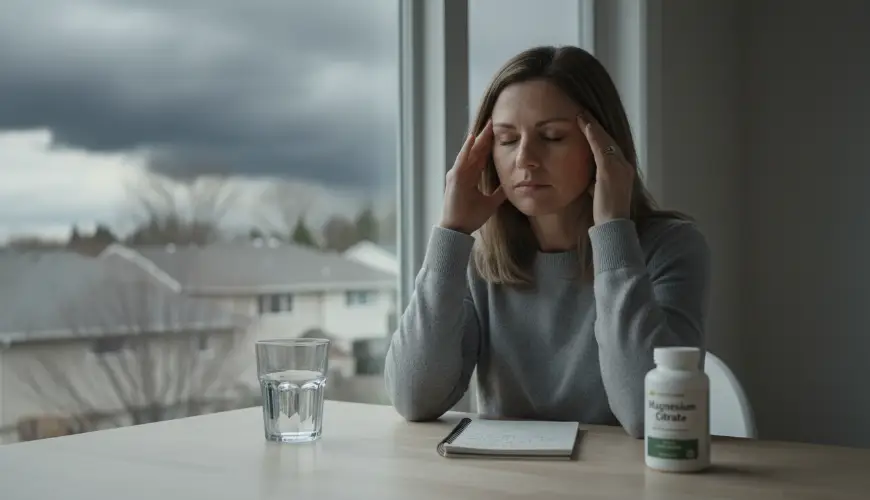
You wake up with a pounding in your head and it's just starting to rain outside. A headache linked to air pressure has clear causes and, fortunately, specific solutions as well. [Read more]
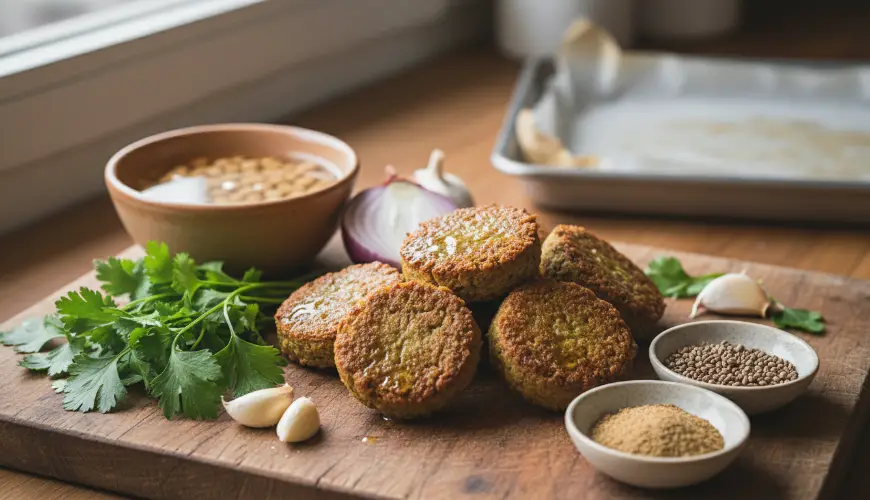
Baked homemade chickpea falafel is no healthy compromise. It's crispy, fluffy, and full of flavor. And you can put it together in twenty minutes of active work. [Read more]
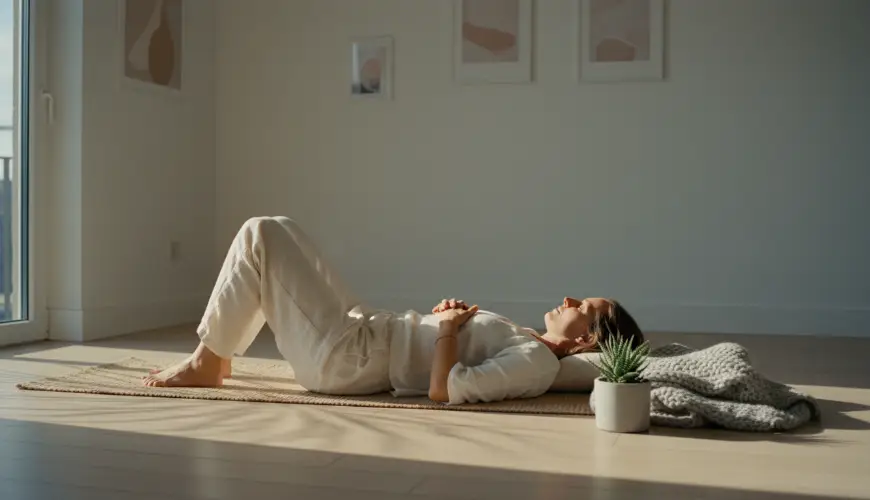
Exercises for releasing the diaphragm after stress can relieve back pain, improve digestion and sleep. This muscle influences far more than most people realize. [Read more]
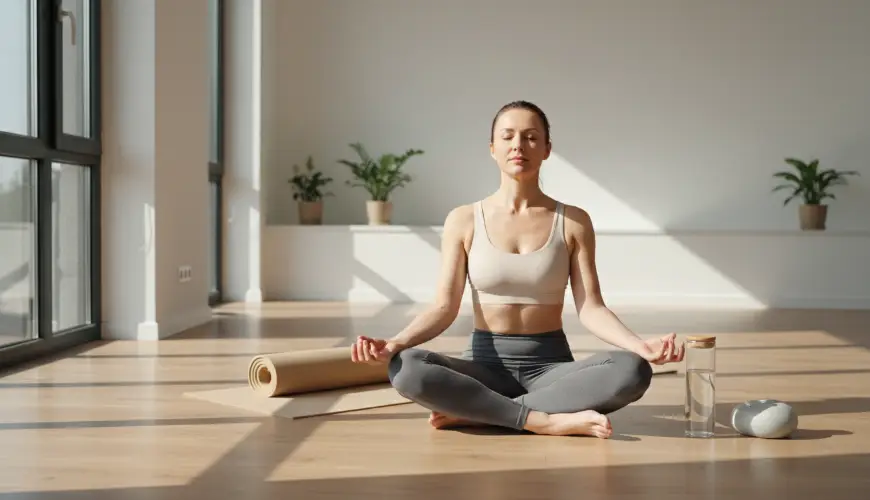
The pelvic floor in women is not just a topic for mothers after childbirth. Pelvic pain, urinary leakage, or uncomfortable sex can affect any woman, and the reason is often surprising. [Read more]
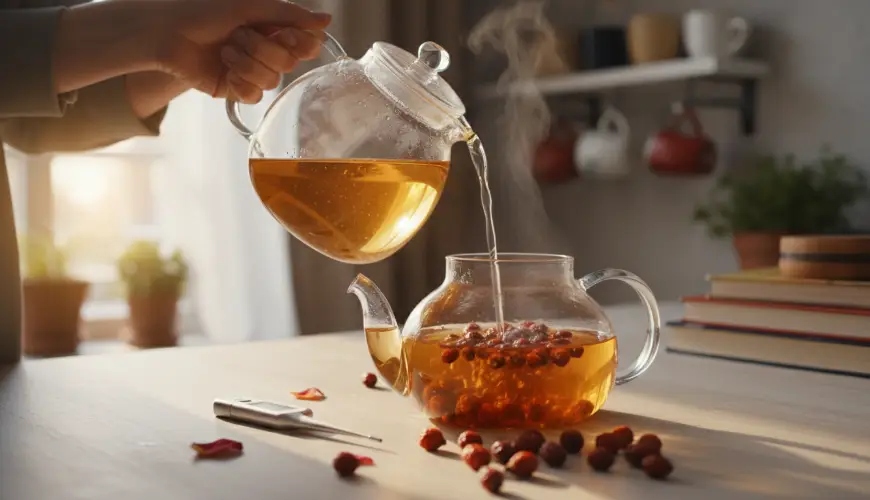
Brewing rosehip tea correctly doesn't mean pouring boiling water over it and waiting. Temperatures above 60 °C will destroy up to 80% of the vitamin C before you even finish your first cup. [Read more]
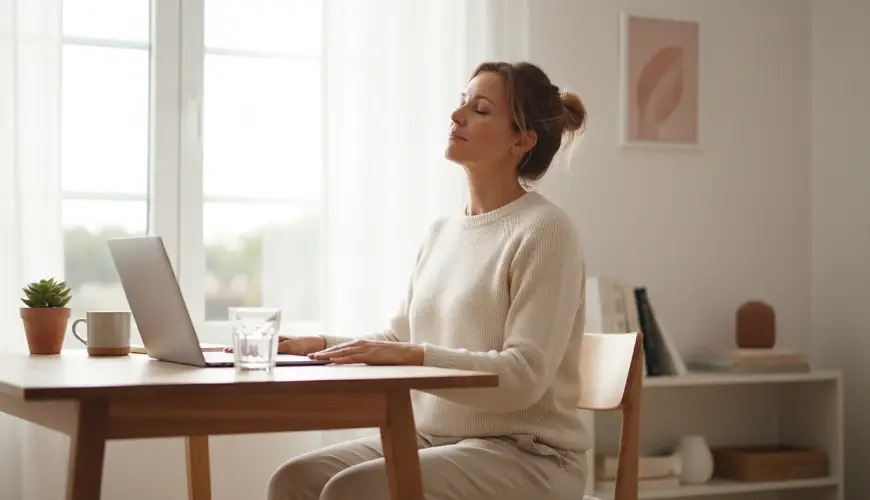
Exercises for the deep neck muscles to relieve headaches can be done at home in just ten minutes a day. Yet most people have no idea that the cause of their pain lies right there. [Read more]
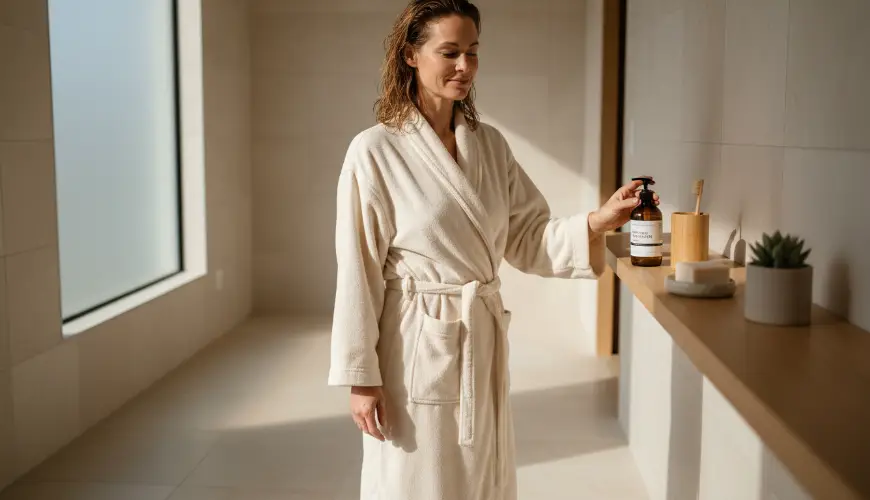
Intimate hygiene – what harms the body is not a lack of care, but an excess of it. Find out which habits gynecologists consider the biggest mistake. [Read more]
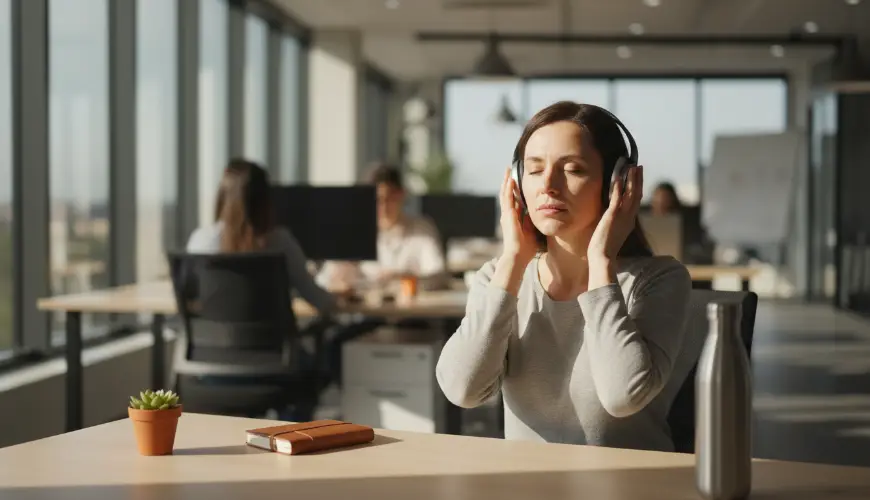
# Jak zvládat návaly podráždění z hluku ## Proč to funguje jinak, než si myslíme Podráždění z hluku není jen o hlasitosti – jde o **ztrátu kontroly** nad prostředím. Proto „jen si zvykni" nefunguje. Mozek vyhodnocuje neočekávaný nebo nekontrolovatelný h [Read more]
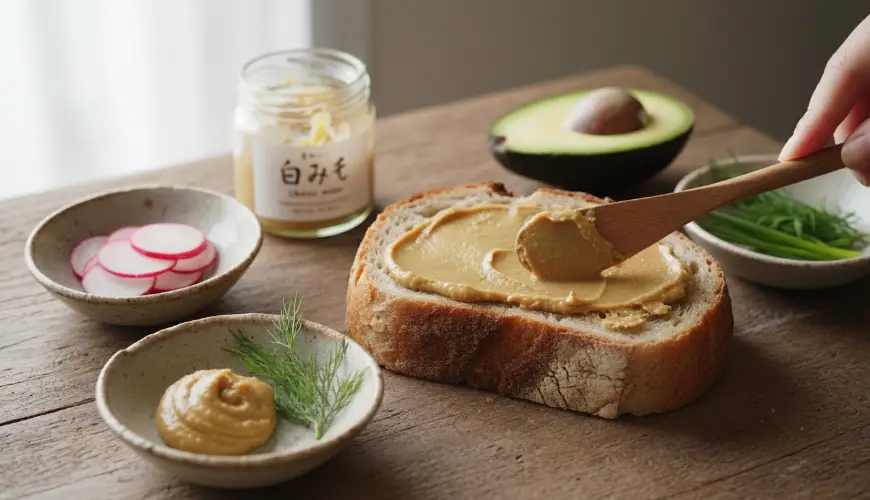
Miso spread instead of butter on bread? It sounds strange, but the umami flavor and probiotics make it an alternative you'll want to come back to every morning. [Read more]