
We'll advise you on how to reduce waste from children's cosmetics
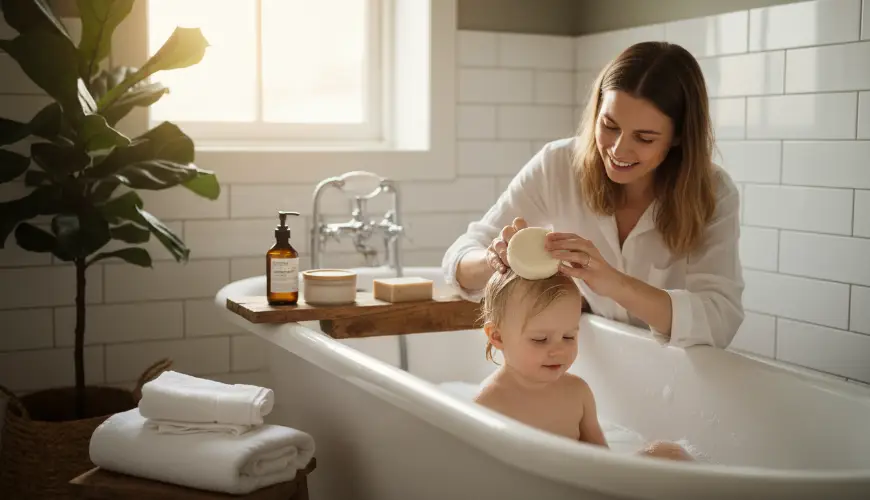
Every parent knows it – a bathroom full of bottles, tubes, jars, and packaging that accumulates faster than you'd expect. Children's cosmetics make up a surprisingly large portion of household waste, yet this is an area where meaningful changes can be made relatively easily. The question isn't just about what we apply to delicate baby skin, but also about what we leave behind on the planet our children will one day inherit.
According to data from the European Environment Agency, the average European household with children produces significantly more plastic waste than child-free households – and cosmetic packaging makes up a considerable share of that figure. And yet it is precisely in the area of childcare that sensitivity to product ingredients is greatest, which naturally opens the door to choosing more eco-friendly alternatives.
Try our natural products
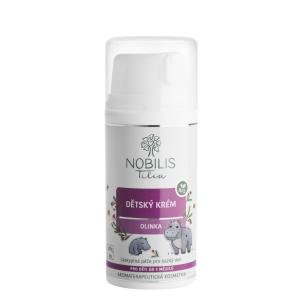
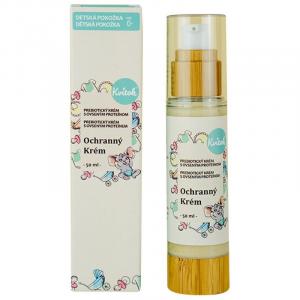
Why Children's Cosmetics Are Such a Problem
Children's cosmetics are designed to be gentle, safe, and effective – qualities that parents rightly demand. Yet manufacturers also package them in ways that are far from aligned with the needs of a sustainable world. Small volumes in plastic containers, caps made from different materials than the bottle body, combinations of various plastics – all of this significantly complicates recycling and increases the amount of waste that ends up in landfill or incineration.
Consider a specific example: a family with a newborn will use an average of dozens of cosmetic products in the child's first year of life – from baby shampoos to nappy rash creams, body lotions, and changing products. If each of these products comes in a single-use plastic container, the cumulative environmental impact is far from negligible. And that's just one child in one family.
The situation is further complicated by the fact that many children's cosmetic containers are not technically recyclable, even though they carry recycling symbols. Local collection and sorting systems are not always capable of processing all types of plastics, so a large proportion of what parents carefully sort still ends up in the wrong category.
There is good news, however: making conscious decisions when purchasing children's cosmetics can significantly reduce this waste. It doesn't require a major revolution or giving up convenience – it's about gradual, thoughtful steps that together make a real difference.
Less Packaging, Same Care: How to Do It in Practice
One of the most effective ways to reduce waste from children's cosmetics is to switch to products with minimalist or reusable packaging. This change may seem small, but in the long run it delivers significant results.
The first step is to consider how many products a family actually needs. The children's cosmetics market is enormous, and the marketing pressure on parents – especially new ones – is immense. Special hair gel, a separate face cream, a different one for the body, another product for night-time... In practice, however, healthy children's skin needs far less than manufacturers suggest. Dermatologists and paediatricians agree that for most children with normal skin, a basic range is sufficient: a gentle shampoo or wash gel, a simple moisturising cream, and sun protection.
Simplifying the range automatically means less packaging. And if you also opt for products in larger sizes or with refill options, the waste savings multiply further. Many brands focused on eco-friendly childcare now offer so-called refill systems – customers buy a sturdy container once and then purchase only refills in lighter, less material-intensive packaging. This model is increasingly widespread abroad and is gradually making its way onto the Czech market.
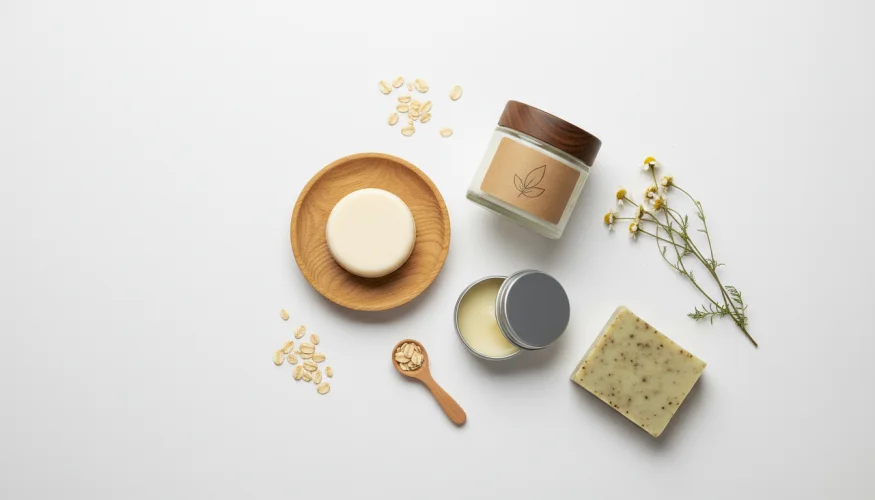
Another option is solid alternatives – shampoos, soaps, and even conditioners in bar form. These unassuming bathroom heroes require no plastic packaging, last longer than liquid variants, and are generally gentler in terms of their ingredients too. For parents of young children, this can be a surprisingly practical choice – a solid soap is easy for little hands to hold, won't spill in a bag when travelling, and requires no special storage.
As environmental activist and writer Rob Greenfield once noted: "The most sustainable product is the one you don't need to buy." In the context of children's cosmetics, this means critically reassessing what we actually use and getting rid of everything superfluous – ideally before we even buy it.
Ingredients and Packaging: Two Sides of the Same Coin
Talking about waste from children's cosmetics without mentioning product ingredients would be incomplete. The environmental impact of cosmetics doesn't end with the packaging – it begins with the production of raw materials and continues with their breakdown in the environment after being washed down the drain.
Many conventional children's cosmetic products contain substances that break down slowly or not at all in nature. Microplastics, synthetic fragrances, certain preservatives – all of these burden aquatic ecosystems and ultimately return to the food chain. This is why choosing products with natural or certified organic ingredients matters not only for the child's health, but for the health of the planet too.
When selecting children's cosmetics, it is worth paying attention to certifications such as COSMOS Organic, Natrue, or Nordic Swan Ecolabel. These labels guarantee not only strict requirements regarding ingredients, but also regarding the environmental impacts of production and packaging. This isn't a trend – it's a system that allows parents to navigate an opaque market without having to read every ingredient list like a chemist.
It is also worth mentioning that homemade preparation of simple cosmetic products for children is a realistic and accessible alternative. Coconut oil as a simple body cream, oat flakes as a natural bath additive for eczema, or natural shea butter as protection against cold weather – these are options that parents have used for generations, without any additional packaging. Of course, it's important to proceed sensibly, and in the case of sensitive or problematic skin, to consult a dermatologist or paediatrician.
A practical step that busy parents in particular will appreciate is putting together a so-called capsule children's cosmetics collection – similar to how a capsule wardrobe works in fashion. This is a small, carefully selected set of products that covers all basic needs, comes in eco-friendly packaging, and has ingredients the parent trusts. Rather than impulsively buying every new product from the drugstore shelf, it then simply becomes a matter of replenishing what is genuinely running out.
An important piece of the puzzle is also proper disposal of empty containers. Even if a family manages to switch to more eco-friendly products, they will still have a certain number of empty bottles and tubes to deal with. Many manufacturers and retailers now run collection programmes for cosmetic packaging – for example, the TerraCycle initiative enables recycling even of containers that the regular waste sorting system won't accept. It's simply a matter of checking whether a favourite brand or retailer runs a similar programme.
Let's return for a moment to the example of a family with a newborn. If this family decides to take three specific steps – simplifying their range to genuinely necessary products, switching to larger sizes or a refill system, and choosing brands with eco-friendly packaging – they can reduce the amount of cosmetic waste in the first year by tens of percent. Without major sacrifices, without significantly higher costs, and without compromising the quality of care for their child.
Making sustainable choices in children's cosmetics is not a privilege reserved for those with the time and money to research every product in depth. It's enough to start slowly: next time the shampoo runs out, choose a version in recyclable or refillable packaging. Next time you're about to add another "special" product to your basket, consider whether you actually need it. These small decisions, repeated week after week and year after year, together create a significantly smaller footprint – and that is precisely the world we want to prepare for our children.
Caring for children's skin and caring for the planet are not at odds with each other. On the contrary – the gentlest, purest, and most natural products are very often also the most environmentally friendly. And that is a combination that makes sense in every respect.