

Intimate hygiene and habits that are more likely to harm your body

Care for intimate areas is one of those topics that is only spoken about in whispers – and that is one of the reasons why so many myths and half-truths surround it. Most people are convinced that the more thorough the hygiene, the better. In reality, however, the opposite is true: excessive or inappropriately chosen intimate hygiene can harm the body significantly more than mild negligence. Dermatologists, gynaecologists and urologists agree that the biggest problem today is not insufficient cleanliness, but rather excessive efforts to sterilise areas that manage their own ecosystem.
The intimate area is a fascinating example of biological self-regulation. The vagina of a healthy woman maintains a naturally acidic pH of roughly between 3.8 and 4.5, which protects against the overgrowth of harmful bacteria and yeasts. This system works thanks to specific bacteria – particularly the Lactobacillus genus – which produce lactic acid and form a natural shield. As soon as an unsuitable soap, a fragranced gel or an aggressive disinfectant enters this environment, the balance is disrupted. And a disrupted balance opens the door to problems that would otherwise never arise.
Try our natural products

Soap as a silent enemy
One of the most widespread misconceptions is the belief that ordinary solid or liquid soap is perfectly suitable for intimate hygiene. However, classic soaps have an alkaline pH of around 9 to 10, and their regular use in the intimate area literally destroys the protective acidic layer of the mucous membrane. The result is often itching, dryness, irritation and, paradoxically, greater susceptibility to infections – precisely what one was trying to prevent.
A similar problem is posed by fragranced sprays and intimate deodorants. Manufacturers present them as an essential part of daily hygiene, but the reality is different. The fragrance components and preservatives in these products are among the most common triggers of contact dermatitis in the genital area. A study published in the specialist journal Journal of Lower Genital Tract Disease highlighted a direct link between the use of fragranced intimate products and an increased incidence of bacterial vaginosis and yeast infections. In other words: the fragrance that is supposed to mask the problem is actually causing it.
It is no wonder that many gynaecologists recommend exclusively lukewarm water for intimate hygiene, or specially formulated products with a pH corresponding to the natural environment of the mucous membrane. Such products should be fragrance-free, free of aggressive surfactants and ideally enriched with ingredients that support the natural microflora. Products like these can be found in online shops focused on natural and gentle care, such as Ferwer, where they are selected with an emphasis on composition and gentleness towards the body.
Almost every woman who has ever suffered from recurring yeast infections knows her own story. One of them – a thirty-year-old accountant from Brno – described how she had struggled for years with unpleasant itching and discharge, despite maintaining thorough daily hygiene. It was only after visiting her gynaecologist that she discovered her favourite lavender-scented shower gel was the main culprit. After switching to a fragrance-free product with a favourable pH, the problems disappeared entirely within a few weeks.
Too-frequent showering and its hidden cost
The question of hygiene frequency is just as important as the question of products. The modern lifestyle tempts us into believing that showering twice a day is the norm, or even an act of self-care. Dermatologists warn, however: the skin and mucous membranes need time to restore their natural protective film. Too-frequent washing disrupts it before it has a chance to form. And what applies to skin in general applies doubly to the intimate area.
The problem affects men too, although it is spoken about even less. Excessive hygiene in the area of the foreskin or scrotum can lead to dry skin, minor cracking and microtraumas that make it easier for bacteria to enter. Men also face a specific risk in the form of aggressive antibacterial soaps, which disrupt the natural bacterial colonisation of the skin and can paradoxically contribute to inflammation.
So how should one approach intimate hygiene? Experts agree on several basic rules. The intimate area only needs to be washed once a day; in the case of more intense physical activity or menstruation, the frequency can be slightly increased. It should always involve a gentle wash of the external parts – the internal parts of the vagina clean themselves, and any douching (so-called vaginal douching) is unnecessary and harmful. The American College of Obstetricians and Gynecologists (ACOG) has long warned against vaginal douching, as it disrupts the natural microflora and can lead to serious infections, including pelvic inflammatory disease.
What else causes harm without us realising it
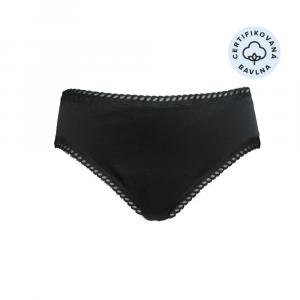
Intimate hygiene is not just about what is applied to the skin. The choice of clothing also plays a major role. Synthetic underwear made from polyester or nylon creates a moist and warm environment – ideal conditions for the overgrowth of yeasts and bacteria. Cotton, bamboo or merino wool underwear allows better air circulation and wicks away moisture, significantly reducing the risk of irritation and infections. It is equally important to change underwear every day and wash it at a sufficiently high temperature, but without aggressive fabric softeners, which can leave chemical residues directly against sensitive skin.
Another overlooked factor is menstrual products. Classic tampons and pads made from bleached cotton or synthetic materials contain various chemical substances, including dioxins produced during the bleaching process. Although their concentrations are low, repeated contact with sensitive mucous membranes throughout a woman's entire reproductive life is not negligible. An increasing number of women are therefore switching to alternatives such as menstrual cups made from medical-grade silicone, period underwear or organic cotton pads without chemical treatment. These products are not only gentler on the body, but also significantly less burdensome on the environment.
As the leading British gynaecologist Dr. Jen Gunter noted in her book The Vagina Bible: "The vagina cleans itself. It doesn't need to smell like a garden – just let it do its job." This seemingly simple sentence sums up what many women only learn after years of unnecessary problems caused by excessive care.
The influence of diet and lifestyle on intimate health must not be forgotten either. Excessive sugar consumption promotes the overgrowth of yeasts, because Candida albicans – the most common cause of yeast infections – feeds on glucose. Conversely, consuming fermented foods such as yoghurt, kefir or kimchi helps maintain a healthy gut and vaginal microflora. Adequate hydration, exercise and reducing stress all play a role in the body's overall immune function, which is directly reflected in the health of the intimate areas.
Sexual hygiene also deserves attention – it is part of a topic that is spoken about publicly even less than hygiene in general. The use of lubricants with unsuitable ingredients – particularly those containing glycerin, parabens or strong fragrances – can disrupt the vaginal environment just as much as an unsuitable shower gel. For women with sensitive mucous membranes, the most suitable lubricants are water-based, without added fragrances or preservatives. Condoms made from natural latex are generally safe, but in sensitive individuals latex can cause an allergic reaction – in such cases, alternatives made from polyisoprene or polyurethane are available.
The overall picture of intimate hygiene is therefore far more complex than advertising would have us believe. True care for intimate health does not mean more products, stronger fragrances or more vigorous scrubbing – quite the opposite. It means understanding how the body works, respecting its natural mechanisms and making conscious choices about products and aids that do not harm it. It also means letting go of shame and openly discussing problems with a doctor, because many issues that people ignore or mask with additional products for years are easily resolved once their true cause is identified.
Intimate hygiene should be a simple, natural part of everyday routine – not a complex ritual full of products with questionable ingredients. The body has its own intelligence, and the greatest service one can do it is to not get in the way of its work. Less is truly more in this case – for health, for the environment and for the wallet.