

# How to Choose a Refurbished Phone Without Getting Burned
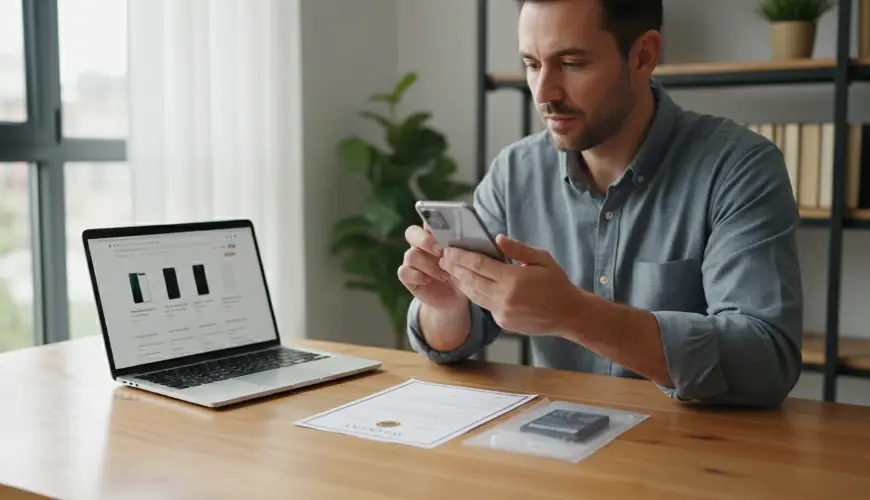
The market for refurbished phones has been growing significantly in recent years, and it's no wonder. While a new flagship smartphone can easily exceed thirty or forty thousand crowns, a professionally refurbished piece of the same brand and model might cost half as much. For many people, it's a logical choice – why pay for a new box and screen protector when you get practically the same thing inside? But that's exactly where the trap lies. Not every refurbished phone seller plays fair, and if you don't know what to watch out for, instead of a great deal you might end up with a burned-out device with a faulty battery, a repaired screen without a warranty, or even stolen goods.
A refurbished phone is not the same as a used phone from a second-hand shop. This distinction is crucial and many buyers underestimate it. Refurbishment is a structured process in which experts thoroughly inspect the device, replace worn parts – most commonly the battery and screen – and return the phone to a condition equivalent to a new or nearly new unit. Only then is the device repackaged and sold, usually with some form of warranty. By contrast, a second-hand used phone can be in any condition and its history remains a mystery.
Try our natural products




Why consider a refurbished phone at all?
There are more arguments in favour than might appear at first glance. Financial savings are obviously the most apparent, but far from the only reason. Manufacturing a single smartphone is enormously resource-intensive – from mining rare metals to water consumption and the carbon footprint of the entire production chain. According to data from Greenpeace, manufacturing a new phone accounts for up to 80% of its total environmental impact over its entire lifetime. Every refurbished phone someone buys instead of a new one directly reduces demand for manufacturing another device and helps the planet.
Add to that the fact that refurbished phones are now available from reputable sellers with certification, warranties and return options, and you begin to understand why this market segment is growing by tens of percent annually in countries such as Germany, France and the United Kingdom. The Czech Republic is not lagging behind in this trend.
Consider Martin, a thirty-four-year-old graphic designer from Brno, who bought a refurbished iPhone 13 Pro last year for just under ten thousand crowns. The same model in new condition would have cost him more than double. The phone arrived in a plain box, with a new battery, a clean screen and a twelve-month seller's warranty. After a year of use, he says he wouldn't notice any difference from a new unit. But Martin knew where and how to shop – and that's the key to the whole matter.
So how do you buy a refurbished phone without getting burned? The answer doesn't lie in one simple rule, but in a combination of knowledge, caution and choosing the right seller.
What to watch out for when buying a refurbished phone
The first step is to understand that not all sellers use the word "refurbished" in the same way. Some sell devices under this label that have only undergone a superficial cleaning and a quick check. Others offer genuinely professionally renovated units with replaced components and detailed documentation. How do you tell them apart?
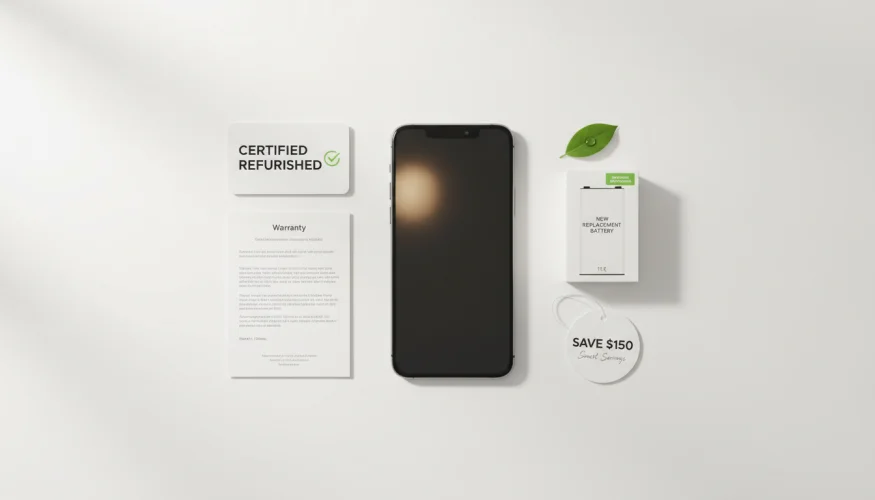
Certification and the origin of the goods are the first things worth focusing on. There are sellers who work directly with manufacturers or authorised service centres. Apple, for example, runs its own Certified Refurbished programme, where it sells refurbished products directly through its store with a full warranty and the option of extended Apple Care. Samsung has a similar programme. If you're buying from a third party, look at least for a mention of where the refurbishment took place and who is responsible for it.
The second crucial factor is battery condition. The battery is the fastest-wearing component in any smartphone. If a seller states that the phone has been refurbished but makes no mention of battery replacement or at least its current capacity, that's a warning sign. On iPhones, battery capacity can be easily checked directly in the phone's settings – look for a value of at least 85%, ideally 90% or above. On Android devices the situation varies, but a number of apps, such as AccuBattery, can measure battery health.
The third point is the condition of the screen and body. Reputable sellers describe the cosmetic condition of the device using standardised categories – typically A (like new), B (minor scratches not visible during normal use) and C (visible wear). This classification is not legally binding and each seller may define it slightly differently, but its existence is a good sign. If a seller doesn't describe the phone's condition at all, or uses vague expressions such as "good condition" without further specification, caution is warranted.
Another aspect that many buyers overlook is the IMEI number. Every phone has a unique IMEI identifier that can be verified against international databases of stolen phones. Simply visit IMEI.info or a similar service, enter the number and find out whether the device has been reported as lost or stolen. Reputable sellers carry out this check themselves and will provide the result on request. If a seller refuses to provide the IMEI or avoids the question, that's a clear red flag.
Sites such as Swappa or Back Market, which also operate in the European market, have built their reputation precisely on requiring sellers to verify the IMEI and provide a standardised description of the device's condition. Similar platforms act as a kind of safety net for buyers, as they bear responsibility for the quality of listings and offer dispute resolution mechanisms.
Warranty is another point buyers shouldn't overlook. Under Czech legislation and the European consumer protection directive, a buyer purchasing from a trader is entitled to a statutory warranty. For refurbished phones sold by e-shops or brick-and-mortar stores, the same rules apply as for new goods – meaning at least two years of statutory liability for defects. If someone offers you a refurbished phone "without warranty" or with a three-month warranty while selling as a trader to a consumer, that is at the very least suspicious and legally questionable.
As consumer advisor and journalist David Havlík once noted: "The most expensive phone is the one you buy twice." And that's exactly the risk you run if you go for an apparently attractive offer without sufficient due diligence.
Non-original replacement parts are a separate chapter. Refurbishment doesn't necessarily mean the phone received an original screen or original battery from the manufacturer. Quality aftermarket parts can work excellently, but poor-quality ones cause problems – from rapid battery drain to poor colour reproduction on the screen and even safety risks with batteries. Ask the seller specifically which parts were replaced and whether they are originals or certified aftermarket components. A reputable seller will answer this question without hesitation.
One more thing that proves important in practice: software and previous owners' accounts. The phone should arrive with factory settings, without any remnants of the previous user's data and, crucially, without an active account lock. On iPhones, this is the iCloud Lock – if it's active and you don't know the login credentials, you have a practically unusable device in your hands. On Android devices, a similar problem arises with the Google account. Always verify before purchase that the device is clean, and check this as the very first thing upon receipt.
In practical terms, a safe purchase of a refurbished phone therefore rests on several pillars: a verified seller or platform with a clear warranty and returns policy, a transparent description of the device's condition, a verified IMEI, information about replaced parts and a phone free of the previous owner's lock. If these conditions are met, the risk of buying a refurbished phone is comparable to the risk of buying a new device – while the financial and ecological benefits are considerable.
The refurbished electronics market is becoming more professional and the supply of quality units is growing. Czech-focused e-shops specialising in refurbished electronics are offering an ever-wider selection and clearer terms. It's worth taking a moment to make your choice, compare several offers and not be tempted solely by the lowest price – that is rarely a reliable guarantee of quality. But anyone who puts in the effort and shops wisely will get a phone that serves them reliably, saves thousands of crowns and at the same time does something good for the planet. And that's a combination you don't come across every day.