

Effective techniques against irritation from excessive noise
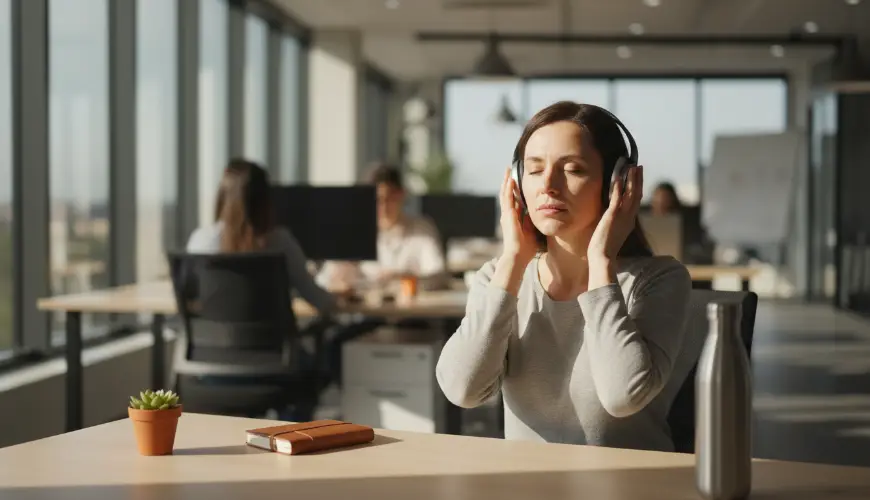
We live in an age that never falls silent. Notifications, traffic, open-plan offices, advertisements playing in shops, the neighbour's lawnmower, a colleague talking on the phone across the room – sound bears down on us from all sides and almost without pause. For most people, it forms a mild backdrop to everyday life. For others, however, it becomes a source of genuine suffering. Overstimulation caused by noise is a real physiological and psychological phenomenon that can turn a quiet afternoon into an exhausting ordeal – and yet hardly anyone talks about it openly.
The term overstimulation refers to a state in which the nervous system receives more stimuli than it is able to process at a given moment. Noise is one of the most common triggers. It is not simply a matter of sound being too loud – the problem is often its unpredictability, its duration, or its combination with other sensory inputs such as bright light or a crowded atmosphere. The result is a feeling that many describe as "I've had enough" or "I need to get out of here right now" – one that conceals fatigue, irritability, an inability to concentrate, or even a physical headache.
Try our natural products




What is actually happening in the body
In order to work effectively with overstimulation, it is useful to understand what takes place in the body during a bout of noise-induced irritation. The nervous system perceives intense or repetitive auditory stimuli as a potential threat. The amygdala – the part of the brain responsible for processing emotions and stress responses – triggers an alarm reaction that activates the sympathetic nervous system. This prepares the body for flight or fight: levels of cortisol and adrenaline rise, muscles tense, breathing quickens, and attention sharpens. In the modern world, however, you usually cannot escape noise – and so the body remains in this tense state with no opportunity to discharge the energy.
Prolonged exposure to such conditions leads to what experts call allostatic load – the cumulative wear and tear on the body caused by chronic stress. The World Health Organization, in its report on environmental noise, warns that excessive noise is associated not only with sleep disturbances and hearing damage, but also with an increased risk of cardiovascular disease. Overstimulation is therefore not merely a matter of comfort – it is a health issue.
People with so-called high sensory processing sensitivity are particularly susceptible to overstimulation – referred to in English as HSP (Highly Sensitive Person). Psychologist Elaine Aron, who first described this concept, estimates that it applies to approximately 15 to 20 percent of the population. These individuals do not process stimuli worse, merely more deeply – which brings certain advantages in terms of empathy and perceptiveness, but also a greater susceptibility to overload. Alongside HSPs, people with ADHD, autism, anxiety disorders, or chronic fatigue are especially prone to overstimulation.
Consider Lucia, a thirty-year-old accountant working in an open-plan office. Every morning she arrives at work with energy and enthusiasm, but around three o'clock in the afternoon a wave of irritability washes over her, she finds herself unable to read a single sentence to the end, and she wishes everyone around her would simply cease to exist. She is not angry with her colleagues – she is simply overstimulated. Her nervous system has been bombarded with sounds all day without a break, and has reached its limit.
Practical ways to manage bouts of noise-induced irritation
The good news is that there are concrete, evidence-based ways to manage noise-induced overstimulation – both in the moment when a bout of irritation strikes, and as part of long-term care for the nervous system.
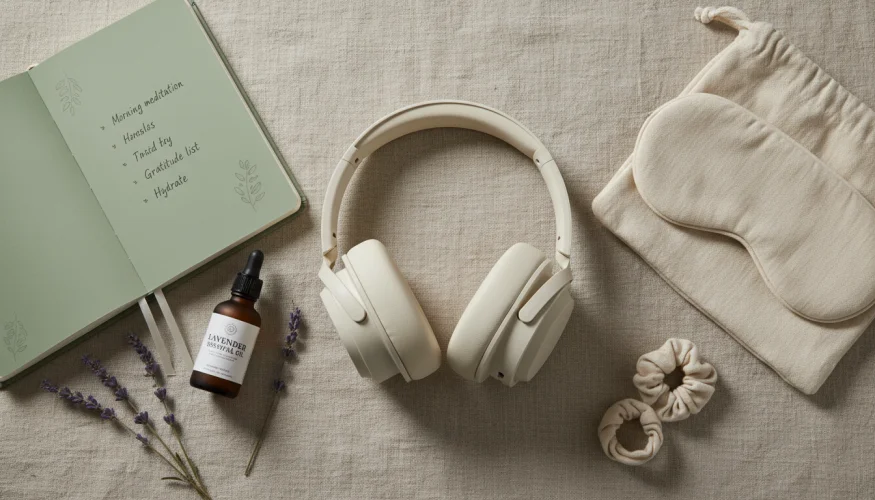
The first and most important step is learning to recognise your own triggers and warning signs. Overstimulation rarely arrives without warning – the body usually sends subtle signals long before a person reaches breaking point. Mild tension in the shoulders, a reduced ability to filter out background sounds, impatience in conversation, or a desire to withdraw into oneself – all of these can be early signs of approaching overload. Keeping a simple journal in which you record situations where you felt overwhelmed can help identify patterns and put preventive measures in place.
Once a bout of irritation arrives, the most effective strategy is immediately reducing sensory input. In practice, this means literally removing yourself from the noisy environment, even if only for five minutes to the bathroom or the corridor. If leaving is not possible, earplugs or noise-cancelling headphones can help – these can dramatically reduce the intensity of auditory input and provide the nervous system with immediate relief. Quality headphones with this feature are now available across a range of price points, and many more sensitive individuals consider them one of their most important everyday tools.
Alongside this, the so-called physiological sigh is effective – a breathing technique in which you inhale through the nose in two short successive breaths and then exhale slowly through the mouth. Research from Stanford University showed that this technique is one of the fastest methods for activating the parasympathetic nervous system – the one that switches the body from "fight or flight" mode into a state of calm and recovery. Literally thirty seconds is all it takes.
Another tool is the conscious redirection of attention through somatic grounding. This is a simple exercise: place both feet firmly on the floor, feel their contact with the ground, then slowly scan the room with your eyes from left to right and silently name five things you can see. This process helps the brain switch from a reactive mode into the present moment and reduces the intensity of the emotional response.
In the longer term, setting up your environment and establishing boundaries plays a key role. People who are sensitive to noise have every right to talk about it – with a partner, with colleagues, with a manager. Flexible working conditions, the ability to work from home, or designated quiet zones in the office are not a whim but a legitimate need. A study published in the Journal of Environmental Psychology confirmed that employees working in lower-noise environments show higher productivity, better mood, and lower rates of burnout.
Adapting the home environment as a safe haven also plays a role. Heavy curtains, rugs, and soft furnishings absorb sound and reduce echo in a room. Natural materials such as wool or cotton also have pleasant tactile properties that in themselves contribute to a sense of calm. Plants not only improve air quality but, according to some studies, can mildly dampen ambient noise while also creating a visually soothing environment. Aromatherapy with lavender or bergamot can support the nervous system's relaxation response – these are small but meaningful steps towards creating a space where the nervous system can truly recover.
As American psychiatrist and trauma expert Bessel van der Kolk said: "The body keeps the score – and healing begins with listening to it." Overstimulation is precisely such a signal from the body, one that deserves to be taken seriously rather than drowned out by further stimuli or suppressed by sheer willpower.
Sleep and recovery as fundamental pillars of resilience against overstimulation must not be overlooked either. A fatigued nervous system has a significantly lower threshold for overload – what a well-rested person might handle without difficulty can push an exhausted individual to the brink of a breakdown. Regular sleep, short breaks during the day, and conscious moments of silence – even just a ten-minute walk without headphones in – build the capacity of the nervous system and increase its ability to withstand auditory onslaughts.
Noise-induced overstimulation is not a weakness or hypersensitivity in any pejorative sense. It is a natural response of the nervous system to conditions that are, from an evolutionary perspective, entirely unprecedented – none of our ancestors faced eight hours of exposure to office noise, traffic, and constant digital beeping all at once. Recognising your own limits, naming them, and actively working with them is, on the contrary, an expression of self-awareness and care for your own health. And in an age when noise never falls silent, the ability to find your own quiet is one of the most valuable skills a person can cultivate.