

Bumps on the arms and how to really get rid of them

Small, rough bumps scattered across the backs of the arms – many people are familiar with them, yet few know what this condition is actually called. Keratosis pilaris is a dermatological phenomenon affecting approximately 40% of the adult population and up to 80% of adolescents, with most of them unaware of its existence. Instead, they ask themselves: Why do I have rough skin on my arms? Why doesn't even daily showering help? And what can actually be done about it?
The answers aren't complicated, but they require a little understanding of what's actually happening inside the skin. And that can be the beginning of real change.
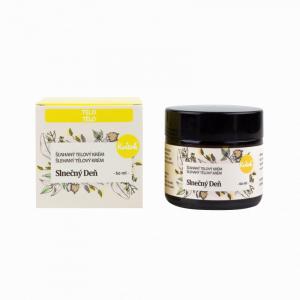
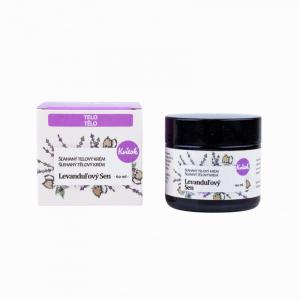
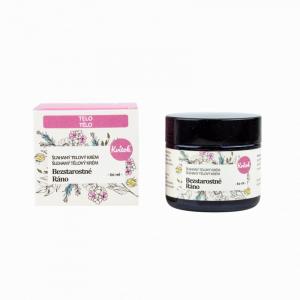
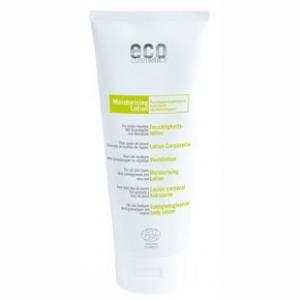
Try our natural products

What keratosis pilaris actually is and why it occurs
Keratosis pilaris – literally translating to "horny inflammation of the hair follicle" – is a condition in which excess keratin accumulates around hair follicles. Keratin is a protein naturally present in the skin that protects it from external influences. The problem arises when the body produces too much of it. The keratin then clogs hair follicles and creates the characteristic small, hard bumps that resemble goosebumps in appearance but don't disappear even after warming up.
The affected areas are most commonly the backs of the arms, thighs, buttocks, and sometimes the cheeks. The skin in these areas feels rough to the touch, may be slightly red or have a brownish tint, but generally doesn't hurt or itch – at least not always. Some people also experience mild itching or a feeling of tight skin, especially in winter months when the air is drier.
The exact cause of keratosis pilaris is not fully understood, but dermatologists agree that it is a genetically determined condition. If one parent has keratosis pilaris, the probability of a child inheriting it is quite high. The condition is also associated with atopic eczema, ichthyosis, and other skin conditions. Although keratosis pilaris is neither dangerous nor contagious, it can be cosmetically unpleasant and reduce self-confidence – especially in summer months when arms are more on display.
Interestingly, the intensity of symptoms changes depending on the season. In winter, when heating dries out indoor air and the skin is generally less hydrated, the bumps on the arms tend to be more pronounced. Conversely, in summer, when the air is more humid and sunlight naturally exfoliates the surface layers of the skin, symptoms subside in many people.
There is also a connection with hormonal changes. Adolescents suffer from keratosis pilaris significantly more often than adults, and in women, the condition may worsen during pregnancy or at certain phases of the menstrual cycle. This suggests that hormones play a role in regulating keratin production, although the mechanism has not been fully explored.
How to properly care for skin with keratosis pilaris
Treatment of keratosis pilaris in the sense of a complete cure does not exist – it is a chronic condition that can only be alleviated and managed. This does not mean, however, that one must accept it without any care. Quite the opposite: a proper daily routine can significantly improve skin condition, without the need to visit a dermatologist or resort to strong medications.
The American Academy of Dermatology recommends a combination of gentle exfoliation and intensive hydration as the foundation of care for skin affected by keratosis pilaris. The key is regularity and patience – results don't appear overnight, but after several weeks of consistent care, they tend to be noticeable.
Take, for example, a thirty-year-old woman who has complained since puberty about rough bumps on the backs of her arms. After years of unsuccessfully scrubbing her skin with hard brushes and aggressive peels, she decided to change her approach. Instead of mechanical exfoliation, she began using a body lotion containing lactic acid and a gentle chemical peel once a week. After six weeks, her skin was smoother, less red, and she herself said that for the first time in years she felt comfortable in a short-sleeved shirt. This story is not exceptional – thousands of people who switched from aggressive to gentle care describe a similar experience.
Exfoliation yes, but with sense
One of the biggest mistakes people with keratosis pilaris make is excessive mechanical exfoliation. Hard brushes, aggressive scrubs, or rubbing with a washcloth can temporarily smooth the skin, but also irritate it, disrupt its natural barrier, and can cause redness or even microtraumas. Chemical exfoliants are a better choice – substances that dissolve dead skin cells without physical friction.
Among the most effective are salicylic acid, glycolic acid, and lactic acid. These ingredients are commonly found in body lotions, serums, or shower gels and are available without a prescription. Lactic acid is particularly popular because, in addition to exfoliation, it also hydrates – the so-called humectant effect means it draws moisture into the skin and helps keep it soft.
When showering, the rule is lukewarm water rather than hot. Hot water strips the skin of its natural oils and worsens dryness, which deepens keratosis pilaris. After showering, it's ideal to gently pat the skin dry – not rub it vigorously – and immediately apply a moisturizing product while the skin is still slightly damp. This is the moment when absorption of active ingredients is most effective.

Hydration as the foundation of a daily routine
Hydration is an absolute foundation when it comes to keratosis pilaris. Dry skin significantly worsens the formation of keratin plugs, while well-hydrated skin is more supple, smoother, and less prone to visible bumps. When choosing a moisturizing product, it's worth looking for ingredients such as urea, ceramides, hyaluronic acid, or panthenol – these substances not only hydrate but also strengthen the skin's natural barrier.
Urea is particularly interesting in this regard. It is a natural component of the skin with both hydrating and gently exfoliating effects. Creams containing 10–20% urea are recommended by dermatologists specifically for the care of dry, rough skin with keratosis pilaris. They are available in pharmacies and in specialized e-shops focused on healthy body care.
Internal care is also important. Adequate water intake, omega-3 fatty acids – found, for example, in flaxseed oil, walnuts, or fatty fish – and vitamin A can support skin health and reduce excessive keratin production. Research published in the Journal of the American Academy of Dermatology shows that nutrition plays a greater role in skin care than was long assumed.
Clothing and materials that come into contact with affected skin are also not without significance. Synthetic fabrics can irritate the skin and worsen inflammation around the follicles. Natural materials such as cotton, bamboo, or linen are gentler on sensitive skin and allow better breathability. This choice also aligns with the principles of sustainable fashion – choosing quality natural materials is beneficial not only for the skin but also for the environment.
As dermatologist and skincare book author Dr. Joshua Zeichner once noted: "Keratosis pilaris is a chronic condition, but with regular care and the right products, most people can achieve significant improvement and feel comfortable in their skin."
But when is it appropriate to visit a dermatologist? If home care doesn't produce results even after two to three months, if the bumps are painful, severely red, or spreading to unusual areas of the body, a professional consultation is warranted. A dermatologist can prescribe stronger products with higher concentrations of acids or retinoids – vitamin A derivatives that accelerate skin renewal and help prevent follicle clogging.
Laser therapy or intense pulsed light (IPL) are further options used especially for more pronounced redness or pigmentation at the site of the bumps. These methods are effective but also more financially demanding and not always accessible. For most people, therefore, the first choice is consistent daily care with available products.
Keratosis pilaris is not a disease, it is not contagious, and it is not dangerous. It is part of how the body functions – a genetic peculiarity that, while it can be frustrating, is certainly no reason for shame or hiding. Understanding what is happening in the skin and adapting the daily routine can bring significant relief. And that is good news for anyone who has been dealing with these small bumps on their arms for years – improvement is achievable; you just need to know where to start.