
Cloudy Glasses from the Dishwasher with White Residue and How to Save Them

Everyone knows it - glasses taken out of the dishwasher look worse than before washing. Instead of clear glass that should reflect light and look like new, the table ends up with vessels covered in a white, cloudy or matte coating that spoils the overall impression of a laid table. Although it may seem like a purely aesthetic problem, a whole range of chemical and physical processes lie behind this phenomenon, which are worth understanding - not only to make glasses shine again, but also to help the household run more sustainably and in an environmentally friendly way.
White coating on dishwasher glasses is nothing unusual. It is one of the most common problems that households face, yet it is rarely talked about. Most people notice it, but settle for polishing the glasses with a cloth or simply leaving them as they are. But understanding the cause is precisely the first step towards a lasting solution.
Try our natural products



What causes cloudiness and white coating on glasses?
The most common culprit is hard water, meaning water with a high mineral content - primarily calcium and magnesium. The Czech Republic is among the countries where water hardness is relatively high, particularly in areas connected to underground sources. According to data from the National Institute of Public Health, water hardness varies considerably across different regions of the Czech Republic, with some areas reaching values that can cause significant deposits on dishes and appliances.
When washing in a dishwasher, the water is heated to a high temperature and then evaporates. However, the minerals that were dissolved in the water remain on the glass surface - and it is these that form the characteristic white or greyish coating. This phenomenon is technically known as limescale or calcium carbonate, and the harder the water in a given area, the faster and more noticeably the deposits form.
Besides water hardness, the quality and quantity of detergent used, the correct dosage of rinse aid and the programme temperature all play a role. Overly aggressive chemicals can also damage the glass surface itself - and at that point we are no longer talking about a mere coating that can be removed, but about permanent material damage. This distinction is crucial, because not every instance of glass cloudiness has the same cause or the same solution.
There is yet another less well-known but all the more insidious problem: glass corrosion. This occurs when glass is repeatedly exposed to aggressive detergents, very soft water or excessively high temperatures. Corroded glass loses its shine permanently - while mineral layers can be removed, a glass surface that has been chemically damaged will not return to its original state. This is precisely why it is important to distinguish whether the issue involves deposits from hard water or actual corrosion.
How can you tell what you are dealing with? A simple home test involves submerging the glass in a solution of water and white vinegar or citric acid. If the cloudiness begins to dissolve after a few minutes and the glass becomes clear again, the problem is mineral deposits from hard water. If the coating remains, it is very likely that the glass has been damaged by corrosion and no home remedy will save the situation.
Consider a specific scenario: a family living in Prague, where the water is moderately hard, purchases a new set of glasses. After several weeks of regular dishwasher washing, the glasses start to look cloudy and matte. The owners are convinced that the glasses are defective or that the dishwasher is not working properly. In reality, the cause is a combination of hard water, an excessively high washing programme temperature and insufficient rinse aid. All it takes is adjusting the dishwasher settings, adding rinse aid and performing regular maintenance - and the glasses will shine like new again.
How to remove white coating and prevent it
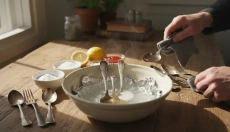
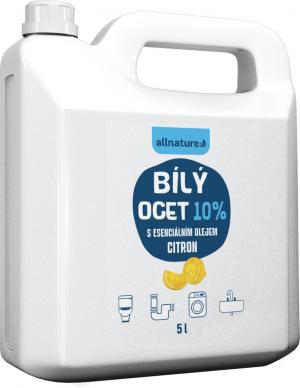
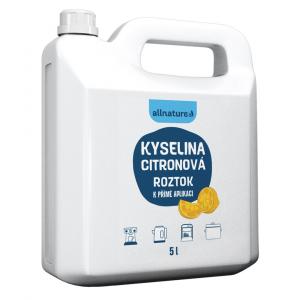
The simplest and most accessible way to remove mineral deposits is citric acid or white vinegar. Both of these products are environmentally friendly, biodegradable and yet effective against limescale deposits. Simply soak the glasses in a solution - for example, a litre of water mixed with a few tablespoons of citric acid - and leave to work for approximately 30 minutes to an hour. The glasses should then be rinsed and gently wiped with a soft cloth. The results are often surprising: the glass returns to its original clarity without the use of any aggressive chemicals.
For regular prevention, correct dishwasher settings are key. Most modern dishwashers have a water hardness setting that directly affects the dosage of softening salt. Dishwasher salt is not an unnecessary luxury - it is an essential part of the proper functioning of the appliance in areas with hard water. It softens the water before it comes into contact with the dishes, thereby significantly reducing the formation of limescale deposits.
Rinse aid is another player in this equation. Its job is to ensure that water runs evenly off the surface of dishes without leaving droplets that would form spots after evaporation. Without rinse aid - or with an insufficient amount - matte marks can appear on glasses even in areas with softer water. It is therefore worth regularly checking and refilling the rinse aid dispenser in the dishwasher.
The choice of washing programme also plays a role. Very high temperatures (above 70°C) are suitable for heavily soiled dishes, but are unnecessarily aggressive for glasses. Most dishwasher manufacturers recommend using a gentle or economy programme with a lower temperature for glasses, which is kinder to both the glass and energy consumption. As the organisation ENERGY STAR notes, modern dishwashers with eco programmes can consume significantly less energy and water than hand washing, while achieving comparable or better results.
Correct loading of glasses in the dishwasher is also important. Glasses should stand securely, turned upside down, so that water can drain freely and does not collect inside. Glasses that touch or knock against each other during washing are also more susceptible to microscopic scratches, which over time cause permanent surface cloudiness.
Some people swear by simply not washing glasses in the dishwasher at all, preferring to wash them by hand in warm water with minimal washing-up liquid and immediately drying them with a soft cloth. This method is more labour-intensive, but for very delicate or decorated glasses it may truly be the best option. Hand washing avoids both aggressive chemicals and mechanical stress on the glass.
As William Morris, pioneer of the Arts and Crafts movement, once said: "Have nothing in your house that you do not know to be useful, or believe to be beautiful." This thought applies equally to household chemicals - the fewer aggressive substances, the better for the glasses, the household and the planet.

An ecological alternative: how to care for glasses in an environmentally friendly way
In the context of a sustainable lifestyle, it is worth mentioning that the choice of cleaning products has a direct impact on the environment. Many conventional dishwasher tablets contain phosphates and synthetic surfactants, which enter waterways after rinsing and disrupt ecosystems. Natural-based alternatives - such as tablets with EU Ecolabel certification or products free from phosphates and chlorine - are becoming increasingly accessible and their effectiveness has improved considerably in recent years.
Eco-friendly cleaning products need not be less effective. Modern formulations based on natural enzymes and plant-based surfactants can degrease dishes just as well as conventional products, while being gentler on both dishes and the environment. They are also generally better for glasses - they do not contain aggressive chemical compounds that could accelerate glass corrosion.
The same logic applies to rinse aids and salts. Variants made from natural raw materials are available on the market that work just as reliably as their synthetic counterparts. For households looking to reduce their ecological footprint, switching to these alternatives is one of the easiest steps they can take - while still maintaining the comfort of a modern home.
Glasses are themselves one of the most sustainable materials there is. Unlike plastic containers, glass products are fully recyclable, contain no harmful substances such as BPA and, with proper care, can last for generations. This is precisely why it makes sense to pay attention to their maintenance - not only for aesthetic reasons, but also because extending the lifespan of glassware is one of the most direct forms of sustainable behaviour in the home.
Matte glasses covered in white coating are therefore not the inevitable fate of every household with a dishwasher. They are rather a signal that something in the dishware care system is not working optimally - whether it concerns water hardness, dishwasher settings, the choice of products or the way dishes are loaded. Once a person understands what lies behind this phenomenon, they have all the tools needed to remedy it - and ideally to prevent it. And if they also reach for more ecological alternatives in the process, they will be doing a good deed not only for their glasses, but also for the world beyond their kitchen window.