
# Quick Tricks to Remove Vinegar Smell from the Kitchen
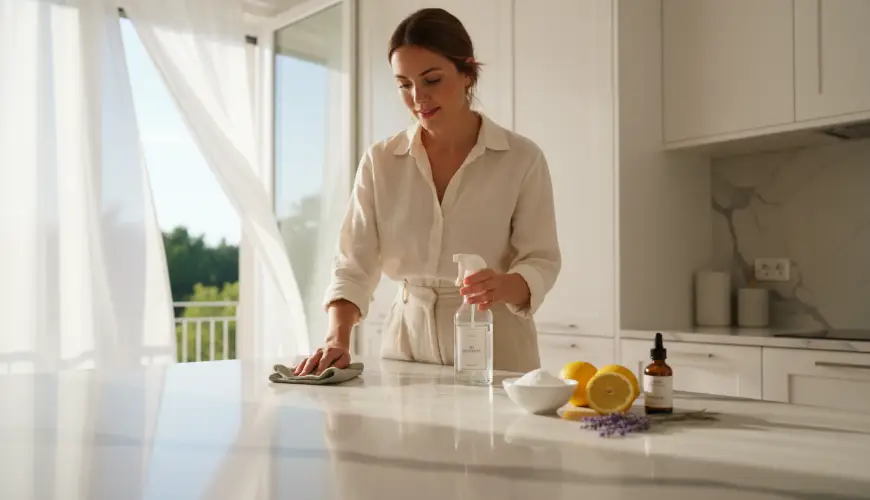
Ecological home cleaning has been experiencing a real boom in recent years. More and more people are reaching for natural cleaning products, and vinegar has become one of the most popular household helpers — and rightfully so. It removes limescale, kills bacteria, degreases surfaces, and doesn't burden the environment with synthetic chemicals. But after a perfectly cleaned apartment, one unpleasant guest remains: the pungent smell of vinegar, which can linger for several hours. How do you get rid of it quickly and effectively without reaching for aggressive air fresheners?
The answer isn't as complicated as it might seem, but it requires a little understanding of why vinegar smells so intensely and what happens when its vapours disperse in an enclosed space.
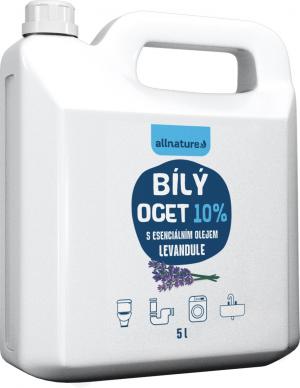
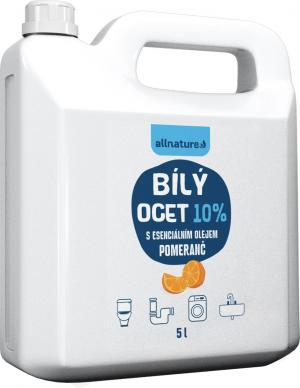
Try our natural products
Why vinegar smells so strongly and how long the odour lasts
Vinegar is essentially diluted acetic acid, which is produced by the fermentation of alcohol. It is this acid that is responsible for the characteristic sharp smell released into the air during cleaning. The higher the concentration, the more intense the odour — which is why distilled white vinegar, most commonly used for cleaning, smells stronger than, for example, apple cider vinegar with its lower acidity.
Under normal conditions, the smell of vinegar dissipates within 30 to 60 minutes in a well-ventilated space. The problem arises in small, poorly ventilated rooms — a bathroom without a window, a hallway, or a pantry — where the unpleasant odour can linger for several hours. The amount of solution used, the room temperature, and the type of surface to which the vinegar was applied also play a role. Porous materials such as wood or textiles can absorb the odour and gradually release it long after the surface appears completely dry.
Interestingly, the smell itself is actually proof that the vinegar is working. Acetic acid is a volatile compound that evaporates at room temperature, and it is precisely during this process that it cleans and disinfects surfaces. Once it has completely evaporated, the smell disappears too — and the surface remains hygienically clean without any chemical residues. This is, incidentally, one of the greatest advantages of vinegar cleaning over conventional cleaning products, which leave chemical substances on surfaces long after application.
Tried-and-tested ways to eliminate the smell of vinegar more quickly
The simplest and most effective solution is intensive ventilation. Opening windows wide and creating a draught — that's the foundation, and it will reduce the time the odour lingers to a minimum. If there's a breeze outside, a few minutes will suffice. If it's calm, a fan positioned to actively draw air out of the room rather than simply circulating it inside will help.
Right alongside ventilation stands the second tried-and-tested helper: baking soda. This alkaline substance neutralises the acidic vapours of vinegar through a chemical reaction — and the result is surprisingly quick. Simply pour a little baking soda into several small bowls and place them around the room where cleaning took place. Within an hour, it will absorb a significant portion of the odours. The same principle works with activated charcoal or coffee grounds — both are excellent natural odour absorbers that place no additional burden on the home environment.
Another popular trick is the use of citrus peel or essential oils. A few drops of lavender, eucalyptus, or lemon essential oil rubbed onto a cotton cloth or added to a diffuser can quickly mask the smell of vinegar while also giving the room a pleasant fragrance. This isn't about masking the problem — once the vinegar dries, its smell will disappear anyway; the essential oils simply speed up the subjective perception of clean air.
A practical example: Jana from Brno started cleaning her bathroom with a vinegar solution every week. At first, she was bothered by the lingering smell that drifted through the air for hours after cleaning. She tried adding a few drops of tea tree essential oil to the vinegar solution, and the result was surprising — the disinfecting effect was preserved, but the sharp odour was noticeably less intense from the very start. She also discovered that if she opened the window after cleaning and let the room air out for just 20 minutes, the smell virtually disappeared.
Boiling water with lemon or cinnamon immediately after cleaning is also very effective. The pleasantly scented steam disperses throughout the apartment and naturally neutralises the vinegar vapours. This approach works particularly well in the kitchen, where a kettle or pot is always close at hand.
What to do when the smell lingers on textiles or wood
The greatest challenge arises when the vinegar solution comes into contact with textile surfaces — carpets, upholstered furniture, or curtains. These materials absorb odours far more intensely than smooth surfaces and, without targeted care, can release them throughout the entire day.
For carpets and upholstery, a tried-and-tested method applies: sprinkle the surface with baking soda, leave it to work for at least 15 minutes, then vacuum. Baking soda not only neutralises the acetic acid but also absorbs moisture, which further promotes the odour. After vacuuming, it is advisable to ventilate the room thoroughly once more.
The situation with wooden surfaces is slightly different. Wood is naturally porous, and vinegar should not be used on it in too high a concentration or left on for too long, as acetic acid can gradually damage the surface finish. If application does occur, quickly wiping with a dry cloth followed by ventilation will help. On treated wooden floors or furniture, a thin layer of linseed oil can be applied once dry, which protects the wood and simultaneously masks any residual smell with a pleasant earthy scent.
As the saying goes: "A clean home doesn't mean a home without scent, but a home with the right scent." And that is precisely the point — not to get rid of vinegar as such, but to learn to work with its properties so that the result is pleasant for all the senses.

An interesting recommendation also comes from the Czech Hydrometeorological Institute, which has long drawn attention to the impact of indoor air quality on human health. Regular ventilation, which is the cornerstone of combating the smell of vinegar, is simultaneously one of the most important measures for maintaining a healthy indoor environment — it reduces not only odours but also concentrations of CO₂, mould, and allergens.
How to prevent an intense smell in the first place, during the cleaning itself
The best strategy is, of course, to minimise the intensity of the odour right at the source. There are several simple ways to achieve this without reducing the effectiveness of vinegar cleaning.
The first step is correct dilution. Many people use vinegar at too high a concentration, believing that a stronger solution cleans better. In reality, for most household surfaces, a solution in a ratio of 1 part vinegar to 1 to 2 parts water is sufficient. This significantly reduces the intensity of the smell while preserving the disinfecting and cleaning effect. A study published in the Journal of Environmental Health confirms that even diluted acetic acid is highly effective against common household bacteria, including E. coli and Salmonella.
The second approach is adding natural fragrances directly to the cleaning solution. Citrus peel submerged in vinegar for two weeks creates a natural cleaning concentrate with a considerably more pleasant scent — while retaining all of vinegar's antibacterial properties. This method is very popular in eco-conscious households and also makes it possible to use citrus peel that would otherwise end up in the compost.
The third recommendation is timing the cleaning. Cleaning with vinegar is best done in the morning or late morning, when there is plenty of time for natural ventilation before the evening. If cleaning takes place in the evening, the smell will linger in the closed apartment overnight — and will still be noticeable indoors in the morning. Morning cleaning with open windows, on the other hand, ensures that the apartment will smell pleasant by the afternoon.
It is worth mentioning that there are also situations where vinegar as a cleaning agent is not suitable at all — for example, on natural stone such as marble or granite, where the acid causes surface damage, or on non-slip floor tiles with a textured surface, where it can damage the protective coating. In these cases, it is better to reach for another natural cleaning agent, such as a baking soda solution or chestnut extract.
Ecological cleaning with vinegar has undeniable advantages — it is inexpensive, effective, environmentally friendly, and requires no special equipment. The smell it leaves behind is more of a temporary inconvenience than a real problem. With a little practice and the right helpers — baking soda, essential oils, citrus fruits, and above all fresh air — it can be managed without much difficulty. And the result is worth it: a clean, hygienic, and chemically unencumbered home in which it is a pleasure to breathe, both literally and figuratively.