
Cleaning as a remedy for calming the mind

Everyone knows it. You come home after a demanding day, look around at the mess, and instead of resting, you automatically start cleaning. And then – once everything is in its place – you can suddenly breathe more easily. This is no coincidence or mere habit. There are a whole range of psychological and neurological mechanisms behind why cleaning calms us down, which scientists are studying with growing interest. And the results are surprisingly clear: order in our surroundings genuinely helps maintain order in our minds.
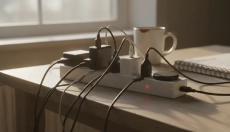
The relationship between the physical environment and a person's mental state is deeper than it might first appear. The brain constantly processes visual stimuli from its surroundings, and clutter functions as a constant source of stress – even when we are not consciously aware of it. A 2011 study from Princeton University showed that a chaotic environment reduces the ability to concentrate and increases levels of cortisol, the stress hormone. In other words: clutter literally tires the brain by forcing it to constantly filter out excess visual information.
In contrast, a tidy and organised space allows the brain to "breathe". It stops fighting visual chaos and can focus on what it actually needs. And that is precisely why we feel so good after a successful clean – it is not just an aesthetic feeling, but a physiological response of the body to a reduction in load.
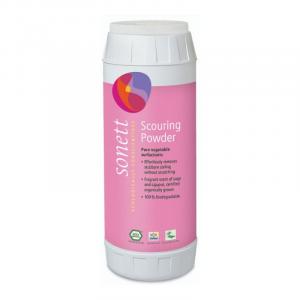
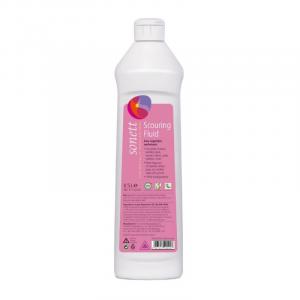
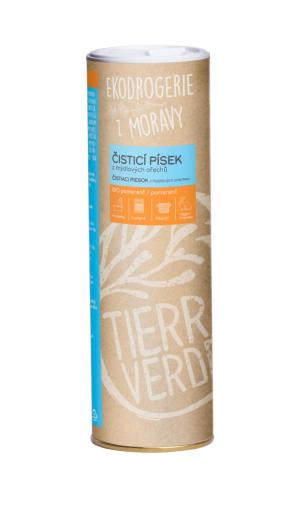
Try our natural products
Cleaning as meditation in motion
What is particularly interesting is that it is not only the resulting order that has a calming effect, but the process of cleaning itself. Psychologists compare it to meditation – rhythmic, repetitive movements such as dusting, vacuuming or folding laundry activate the parasympathetic nervous system, which is responsible for the state of calm and recovery. The body settles, breathing slows, and the mind is given space to think freely.
The writer and philosopher Alain de Botton once expressed it very aptly: "Order is a form of poetry. Things in their place tell us that the world makes sense." And it is precisely this sense of meaning that is key. Cleaning is one of the few everyday activities that has a clear beginning, middle and visible result. At a time when so many things are uncertain and uncontrollable, this simple activity gives us back a sense of control over our own space – and thereby over our own lives.
Take the example of Markéta, a thirty-year-old teacher from Brno, who admits that whenever she is overcome by anxiety or feels overwhelmed by work responsibilities, she reaches for cloths and starts mopping the floor. "At first I thought I was strange," she says. "Then I found out that lots of people do it. It's like a reset. When I finish cleaning the kitchen, I feel capable of dealing with anything." Markéta's experience is not exceptional – on the contrary, it is very typical and well-supported by science.
Psychologist Darby Saxbe from the University of Southern California has long been researching how the home environment affects mental health. Her studies repeatedly confirm that women who described their home as cluttered or unfinished showed higher levels of cortisol throughout the day. In contrast, those who perceived their home as a peaceful refuge had significantly lower stress hormones. This effect is not limited to women – similar results appear in men as well, especially during periods of working from home, when the boundaries between work and personal space blur.
Also important is what happens to our identity and self-confidence. Cleaning is a form of care – for the space, but also for ourselves. When we take care of our surroundings, we send ourselves a signal: I am capable of looking after things, I have the situation under control. This internal dialogue has a direct impact on how we perceive ourselves and how we approach further challenges of the day.
Order, sustainability and choosing products that matter
More and more people are realising that the way they clean affects not only their mental health, but also the environment. Ecological cleaning products and sustainable tools are becoming a natural part of a healthy domestic ritual – and for good reason. Traditional chemical cleaning products contain substances that can irritate the respiratory tract, cause allergies and burden aquatic ecosystems. Switching to natural alternatives is therefore not just a fashionable trend, but a conscious decision that benefits both us and the planet.
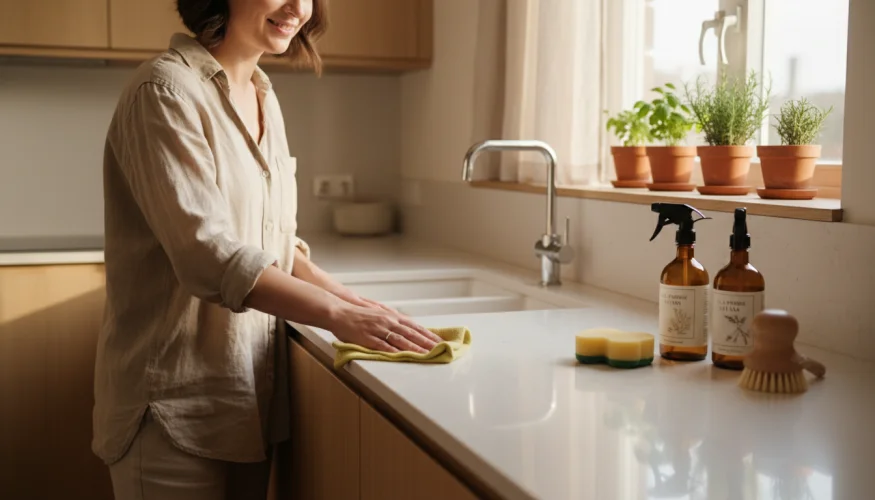
For example, bamboo cloths, compostable sponges or cleaning products free from unnecessary chemicals are today available in such quality that they are in no way inferior to conventional products. Moreover, the very act of choosing sustainable products brings an additional psychological benefit – a sense of alignment between values and actions, which psychologists call "value consistency". When we clean in a way that is consistent with what we believe in, we experience a deeper sense of satisfaction.
It is also interesting to observe how attitudes towards minimalism in the home are changing. The Japanese philosophy of wabi-sabi, which finds beauty in simplicity and transience, or the approach of Marie Kondo, which asks whether things bring us joy, share a common denominator: fewer things means less visual noise and more mental peace. According to research published in the journal Personality and Social Psychology Bulletin, people with cluttered homes show higher levels of depression and fatigue than those who live in spaces with fewer objects.
This does not mean that everyone must live in an empty flat with a single chair. It is more about a conscious relationship with the things that surround us. Every object we have in the home demands a certain degree of attention – whether physical (we have to clean it, repair it, move it) or mental (we remember where it is, we think about what to do with it). The fewer things there are, the less of this hidden mental burden – and the greater the space for calm and presence.
Also interesting in this context is the influence of scents during cleaning. Aromatherapy and the use of natural cleaning products with essential oils – for example with lavender, eucalyptus or citrus extracts – can transform the cleaning ritual itself into an almost meditative experience. The scent of lavender is a scientifically proven anxiolytic, meaning a substance that reduces anxiety, and its presence during cleaning can therefore further amplify the calming effect of the entire activity.
Ritual, moreover, has great power. If we turn cleaning into a conscious ritual – putting on our favourite music, using pleasantly scented products, dressing in comfortable clothes – cleaning ceases to be a chore and becomes an act of self-care. And it is precisely this shift in perspective that is key. Research in the field of positive psychology repeatedly shows that perceiving everyday activities as meaningful and enjoyable contributes significantly to overall life satisfaction.
The social dimension of an orderly space is also not to be overlooked. A home into which we are not afraid to invite friends or family strengthens our social bonds and reduces feelings of isolation. Clutter, on the other hand, can trigger shame and lead to social withdrawal – a person avoids invitations because they are embarrassed by the state of their flat. This vicious cycle – clutter leads to isolation, isolation leads to depression, depression makes it harder to find the motivation to clean – is well documented in clinical psychology and is recognised by therapists as one of the manifestations of a depressive episode.
Cleaning can therefore be, paradoxically, one of the first steps out of this cycle. It is not about achieving perfection or having a flat that looks like a catalogue. A small step is enough – washing a pile of dishes, tidying one desk, throwing away old newspapers. Each such step activates the brain's reward system and releases dopamine, the neurotransmitter associated with feelings of achievement and motivation. A little order creates a desire for more order – and this sets off a positive spiral that can have a profound impact on overall mood and productivity.
Science therefore clearly states what many of us intuitively feel: cleaning is not just about cleanliness. It is a tool for caring for the mind, a way of regaining a sense of control, a ritual that grounds us, and a bridge between how we feel inside and how our world around us looks. And perhaps that is precisely why, when we do not know what to do with unpleasant emotions, we reach for a broom – because somewhere deep down we sense that order on the outside helps with order on the inside.