

Simple recipe for mashed sweet potatoes with lime and coriander
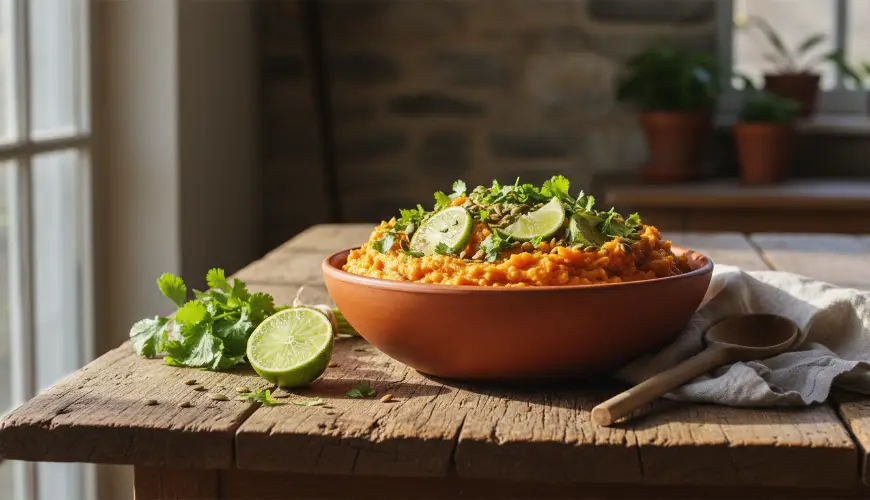
Batatas, or sweet potatoes, are among the foods that have firmly established themselves in the kitchens of health-conscious people in recent years. And no wonder. They are sweet, filling, colorful, and offer the body a wide range of beneficial nutrients. When combined with fresh lime and fragrant cilantro, the result is a combination that will surprise even those who think healthy food has to be boring. Mashed sweet potatoes with lime and cilantro are proof that nutrition and flavor don't have to be at odds.
The recipe itself is surprisingly simple. It requires no special kitchen equipment, complex techniques, or hours spent over the stove. Yet the result looks elegant, tastes fresh, and is satisfying. It is precisely this combination of accessibility and end result that makes this dish a popular choice not only for everyday lunch, but also for more festive occasions when you want to surprise guests with something a little out of the ordinary.
Try our natural products



What makes sweet potatoes so exceptional?
Before we dive into the recipe itself and its preparation, it's worth pausing at the main ingredient. Sweet potatoes are not just a "healthier version of potatoes," as they are sometimes simplistically described. They are distinctive root vegetables with their own flavor, texture, and nutritional profile. They are rich in beta-carotene, which the body converts into vitamin A, and also contain vitamin C, potassium, magnesium, and fiber. According to the USDA nutrient database, 100 grams of cooked sweet potatoes contain approximately 76 calories, the vast majority of which come from complex carbohydrates that provide slow and steady energy release.
This is a practical difference compared to white potatoes, which tend to have a significantly higher glycemic index. For people who monitor their blood sugar levels or are trying to maintain stable energy throughout the day, this is important information. Sweet potatoes will fill you up without causing the sharp spike and subsequent energy crash that anyone who has eaten a large serving of classic mashed potatoes is familiar with.
Beyond their nutritional value, their natural sweetness also plays a role. When handled correctly, this sweetness is an asset rather than a drawback. When sweet potatoes are cooked or baked and then mashed, this sweetness becomes the ideal base for acidic and aromatic ingredients — and this is precisely where lime and cilantro come into play.
Lime juice brings acidity to the dish that naturally balances the sweetness of the sweet potatoes. It's not the aggressive sourness of lemon, but a gentler, more tropical note that seems to "brighten" the whole dish. Cilantro then adds herbal freshness and a slightly citrusy aroma that pairs beautifully with the lime. These three ingredients — sweet potato, lime, cilantro — form a trio that works much like a well-rehearsed band: each member is interesting on their own, but together they create something truly captivating.
How to prepare mashed sweet potatoes with lime and cilantro
Preparation begins with choosing the sweet potatoes. Several varieties can be found on the market, with the most common being those with orange flesh, which are also the sweetest and creamiest once cooked. There are also varieties with white or purple flesh — these have a less intense flavor but are equally delicious. For this recipe, orange sweet potatoes work best, as their natural sweetness contrasts most effectively with the acidity of the lime.
Sweet potatoes can be prepared in two ways: boiling or baking. Baking in the oven at around 200°C is more time-consuming (taking roughly 45 to 60 minutes depending on size), but the result is a more intense flavor, as the natural sugars in the sweet potatoes caramelize during baking. Boiling is faster and more practical for weekdays — simply peel the sweet potatoes, cut them into larger pieces, and cook in salted water for approximately 20 minutes until tender.
After boiling or baking, it's time for mashing. One important rule applies here: don't overdo it with the blender. Mashed sweet potatoes should have a smooth but not completely uniform consistency — a bit of texture is desirable and makes them a more interesting side dish or main course. A classic potato masher or fork is perfectly sufficient for this task.
Next, lime juice — ideally freshly squeezed, not from a bottle — is added to the mashed sweet potatoes. The difference in flavor is noticeable. Grated lime zest is also added, providing a more intense citrus aroma. Fresh cilantro is added finely chopped and ideally only at the end, so it retains its freshness and fragrance. The whole thing is rounded out with a drizzle of quality olive oil or coconut oil, a pinch of salt, and optionally some finely chopped chili pepper for those who enjoy a slightly spicy contrast.
The result is surprisingly complex: a sweet base, an acidic middle, an herbal finish, and a gentle warmth on the palate. Exactly how good food should work.
Imagine a situation familiar to many people: it's Thursday evening, the fridge is half-empty, time for cooking is limited, yet the craving for something truly good is strong. A few sweet potatoes, one lime, and a bunch of cilantro from the herb pot on the windowsill — and in thirty minutes, a dish is on the table that could easily feature on the menu of a modern restaurant. This is the power of simple recipes built on quality ingredients.
When and how to serve mashed sweet potatoes
Mashed sweet potatoes with lime and cilantro are exceptionally versatile. They work as a side dish with roasted chicken, fish, or tofu, but hold their own equally well as a standalone meal, perhaps with the addition of chickpeas or black beans to supplement the protein. They are naturally gluten-free and easily vegan, making them appreciated by a wide range of diners regardless of their dietary preferences.
An interesting source of inspiration is Mexican and Central American cuisine, where similar combinations of sweet potatoes, citrus, and herbs are entirely commonplace. Cooks there have worked with these ingredients for centuries, and their experience shows that this is a time-tested combination. According to the Food and Agriculture Organization of the United Nations (FAO), sweet potatoes are among the world's most important food crops and form the basis of diet in many regions — from Africa through Asia to Latin America.
As for serving, there are several options. Mashed sweet potatoes can be served warm immediately after preparation, but they also taste excellent lukewarm or even cold as part of a packed lunch. Their consistency changes slightly after cooling — they thicken — but the flavor remains just as pronounced. When reheating, simply add a teaspoon of water or olive oil to restore the original creaminess.
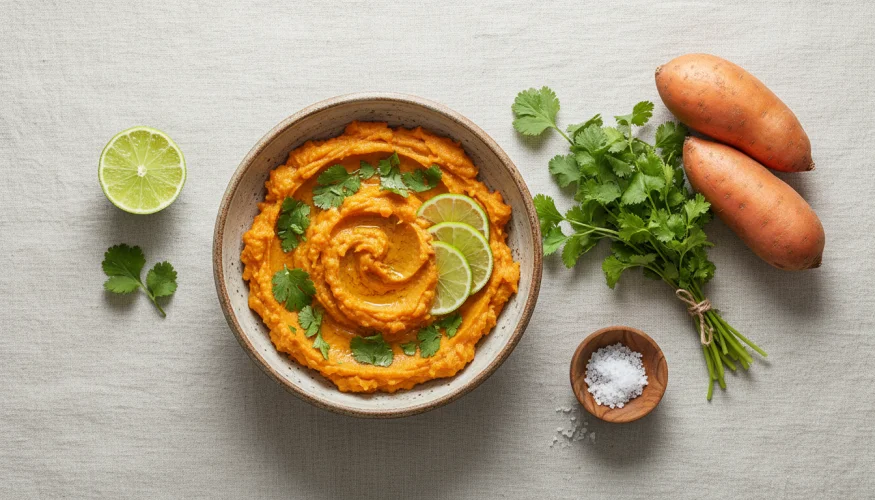
The best garnishes are fresh cilantro leaves, a slice of lime, and optionally some pumpkin seeds or toasted sunflower seeds for a pleasant crunchy contrast. Textural contrast is highly valued in modern cooking — a soft base and a crunchy topping create an interesting interplay for both the taste buds and the visual impression of the plate.
As British chef Yotam Ottolenghi, whose cuisine bridges Mediterranean and Middle Eastern influences, once said: "Vegetables are the most interesting ingredient in the world, if you treat them with respect and creativity." And mashed sweet potatoes with lime and cilantro are exactly such an example — vegetables in the starring role, prepared with humility and imagination.
It is also worth mentioning that sweet potatoes are one of the few foods that are nutritious, affordable, and relatively eco-friendly to grow. Their water requirements are lower than those of many other crops, and they thrive even in less fertile soil. For those who think about the impact of their diet on the planet, this is yet another argument in favor of incorporating them into regular meals.
Cilantro, the second key ingredient, deserves its own mention. This herb is either loved or hated — few people remain indifferent to it. Those who perceive it as soapy or chemical-tasting are not to blame: research suggests this is a genetically determined sensitivity to certain aldehydes found in cilantro. For those who don't enjoy cilantro, fresh parsley or basil can serve as a substitute — the flavor will be different, but the recipe will still be excellent.
Lime, the third pillar of the recipe, brings not only flavor but also interesting nutritional benefits. It is rich in vitamin C and contains flavonoids with antioxidant properties. Freshly squeezed lime juice has a significantly higher content of these compounds than industrially processed juices, which is why it is always worth reaching for fresh fruit.
The entire recipe thus rests on three ingredients that are not only delicious but also nutritionally valuable and naturally accessible. It requires no exotic ingredients that would need to be sourced from specialty stores, and it can truly be made by anyone — regardless of cooking experience. And therein lies its greatest charm: in a simplicity that hides no compromise, but instead reveals the very best that each individual ingredient has to offer.