

# What Does the Body Lack When the Corners of the Mouth Crack? Cracking at the corners of the mouth

Small sores in the corners of the mouth that burn with every bite or smile – this unpleasant condition is something many people know from personal experience. Yet few people realise that this seemingly trivial problem conceals an important signal from the body. Cracking corners of the mouth rarely occurs by chance. Most often, it is a visible manifestation of something the body is lacking – whether it's a specific vitamin, mineral, or perhaps the balance of the gut microbiome.
This condition is medically known as angular cheilitis. It can affect anyone regardless of age, but most commonly appears during winter and spring months, when the immune system is weakened and diet is less varied. It is often during this time that people first notice the corners of their mouth cracking, flaking, or even bleeding. Rather than immediately reaching for an ointment, it would be worth pausing to consider: what is my body actually trying to tell me?
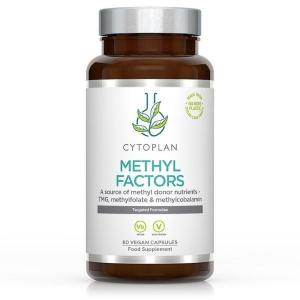
Try our natural products

B vitamin deficiency is the most common culprit
When it comes to nutritional causes of cracking corners of the mouth, B vitamins take first place – specifically vitamin B2 (riboflavin), vitamin B3 (niacin), and vitamin B6. These vitamins play a crucial role in the renewal of mucous membranes and skin. When the body doesn't have enough of them, it shows up first in the most sensitive areas – and the corners of the mouth are one of them.
Riboflavin, for example, directly affects the ability of cells to regenerate and maintain the skin's protective barrier. Its deficiency tends to be typical in people who consume little dairy, eggs, or whole grains. Niacin supports blood circulation and nervous system function, and its deficiency manifests not only in the skin but also through fatigue and irritability. Vitamin B6 is closely linked to the body's immune response – without it, the body struggles to fight even minor inflammation.
Take the example of a thirty-year-old woman who decided to switch to a vegan diet but didn't pay sufficient attention to the variety of her meals. Within a few months, she began to notice that the corners of her mouth were cracking and healing poorly. It was only after visiting a doctor and having blood tests done that she discovered she had a significant deficiency in vitamin B12, B2, and iron. All it took was adjusting her diet and supplementing the missing nutrients, and the problem subsided within a few weeks. This story is not an exception – many people who don't realise how closely nutrition and skin condition are connected share a similar experience.
Alongside B vitamins, iron and zinc also play a key role. A lack of iron leads to anaemia, in which tissues don't receive enough oxygen and their regeneration slows significantly. Zinc is a mineral essential for wound healing and maintaining the integrity of the skin barrier. Both of these elements tend to be deficient particularly in women of childbearing age, vegetarians, and people with nutrient absorption disorders.
As the World Health Organization states, micronutrient deficiency – of vitamins and minerals – is one of the most widespread forms of malnutrition worldwide, even in countries with a high standard of living. In other words, the problem doesn't only affect developing regions, but can easily affect someone who believes they eat healthily.
Another factor that is often overlooked is vitamin C. It is essential for collagen synthesis – the protein that literally holds the skin together and ensures its firmness and elasticity. Without sufficient vitamin C, the healing of any microtraumas on the skin is significantly prolonged. Yet its sources in nature are countless: peppers, rosehips, citrus fruits, broccoli, or blackcurrants, for example.
When cracking corners of the mouth are caused by fungus or bacteria
Nutritional deficiencies are not the only reason why the corners of the mouth crack. Quite frequently, microorganisms – most commonly yeasts of the Candida genus or the bacterium Staphylococcus aureus – also play a role in the development of angular cheilitis. These organisms naturally live on our skin and in our intestines, but under certain conditions they can multiply and cause infection.
Candida thrives in the corners of the mouth particularly when the environment is moist and weakened – for example in people who unconsciously lick their lips or the corners of their mouth, wear dentures, or have a weakened immune system. This is precisely why angular cheilitis occurs more frequently in older people, in patients taking antibiotics or corticosteroids, and in people with diabetes. Antibiotics disrupt the natural balance of the intestinal microflora, thereby indirectly weakening the body's overall defences.
As dermatological practice states: "The skin is a mirror of the body's internal environment." And the corners of the mouth are among the most sensitive mirrors of all, responding to even the slightest imbalance.
Distinguishing whether the issue is an infection or a nutritional deficiency is not always easy without a professional examination. As a general rule, a Candida infection is usually accompanied by a white coating in the corners or inside the mouth, whereas a vitamin deficiency manifests more as dryness, flaking, and cracks without significant inflammation. In any case, it is advisable to visit a doctor or dermatologist if the problems persist.
It is worth mentioning that the state of the gut microbiome has a direct impact on how well the body absorbs nutrients from food. Even if a person eats a varied and balanced diet, a disruption in intestinal permeability or dysbiosis (an imbalance of gut bacteria) can lead to vitamin and mineral deficiencies without them expecting it. This is why probiotics and caring for gut health are important components of prevention – not only of angular cheilitis, but of a whole range of other skin and systemic conditions.
Another factor that is less commonly mentioned in the context of cracking corners of the mouth is hydration. A dehydrated body cannot maintain sufficient moisture in the mucous membranes or skin, and the corners of the mouth can crack even without a significant nutritional deficiency. Daily fluid intake – ideally plain water, herbal teas, or diluted juices – should not fall below 1.5 to 2 litres. During winter, when heating dries out the air indoors, this need is even greater.
How to naturally support healing and prevent recurrence
Once a person understands what is causing the cracking corners of the mouth, the logical question arises: what can be done about it? The answer lies on three levels – nutrition, topical care, and lifestyle.
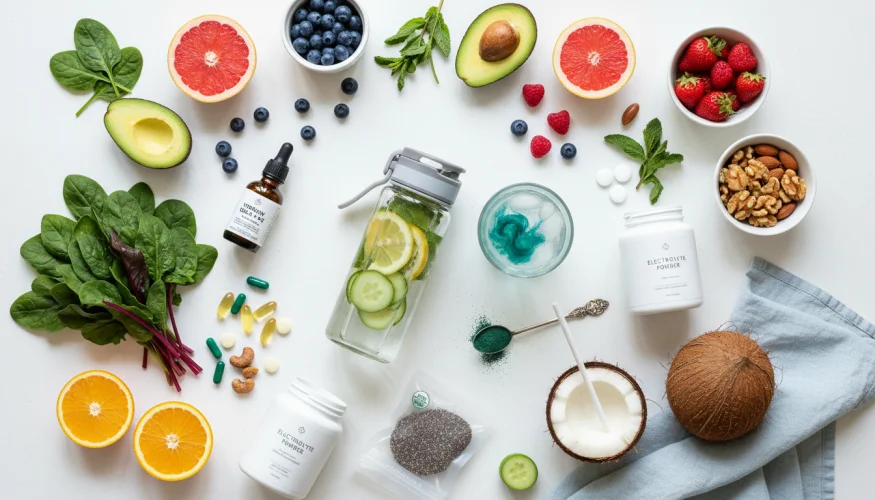
From a nutritional perspective, variety in the diet is key. The basic rule is simple: the more natural, unprocessed foods, the better. Foods rich in B vitamins include whole grains, legumes, eggs, dairy products, nuts, and seeds. Iron in an easily absorbable form is found in red meat, but also in lentils, spinach, or pumpkin seeds – when combined with vitamin C, its absorption from plant-based sources improves significantly. Zinc can be obtained from pumpkin seeds, cashews, oats, or chickpeas.
If dietary variety is not sufficient or if deficiencies are significant, dietary supplements come into play. There is a wide range of quality multivitamin preparations and targeted supplements available on the market – whether it's a B-complex vitamin, chelated iron, or zinc in a bioavailable form. When choosing, it is advisable to opt for products with certification and transparent composition, without unnecessary fillers and synthetic dyes. Natural and eco-friendly products are also generally better tolerated by sensitive individuals.
Topical care may not resolve the underlying cause, but it can significantly speed up healing and alleviate unpleasant symptoms. Natural balms containing beeswax, shea butter, coconut oil, or sea buckthorn extract have proven effective on the corners of the mouth. These ingredients create a protective layer, prevent further drying, and support tissue regeneration. It is important to avoid products containing fragrances or alcohol, which would only worsen the irritation.
In terms of lifestyle, sleep quality and stress management play a crucial role. Chronic stress increases cortisol levels, which suppresses the immune response and slows healing. Regular exercise, adequate sleep, and relaxation techniques – whether meditation, yoga, or walks in nature – have a demonstrable effect on skin health and overall resilience. Studies published in the Journal of Clinical and Aesthetic Dermatology repeatedly confirm that stress is one of the main triggers of skin problems, including those affecting the mucous membranes.
The choice of cosmetics and toothpaste also plays a role. Some toothpastes contain sodium lauryl sulphate (SLS), which can irritate the oral mucosa in sensitive individuals and contribute to microtraumas in the corners of the mouth. Switching to an SLS-free toothpaste or natural alternatives – such as pastes with activated charcoal, argan oil, or medicinal herb extracts – can bring noticeable relief for sensitive people.
Cracking corners of the mouth is therefore much more than just a cosmetic problem. It is a subtle but eloquent signal that is worth not ignoring. The body is making itself heard in this way, letting us know that something is missing – whether it's a specific nutrient, microbiome balance, or sufficient rest and hydration. Listening to these signals and responding to them with natural means is the best thing a person can do for themselves – and the corners of their mouth will be grateful for it.