
# Degreasing Kitchen Cabinet Doors Simply Without Chemicals
Kitchen cabinet doors are one of those places in the home that get dirty slowly but surely – and people usually only notice when the layer of grease and dust has reached an almost tangible consistency. Every cooking session leaves invisible traces in the kitchen: fatty aerosols settle on surfaces, mix with dust, and gradually form a sticky coating that resists ordinary wiping. Nevertheless, there are ways to handle degreasing kitchen cabinet doors easily, without aggressive chemicals and without hours of hard work on your knees.
First, it helps to understand why the dirt accumulates in the first place. When frying, baking, or cooking, tiny fat particles are released into the air and settle on all surrounding surfaces – and cabinet doors directly above or near the stove are on the front line. If this layer is not regularly removed, the grease oxidises, hardens, and becomes significantly more difficult to remove. That is precisely why regular care of kitchen surfaces is the key to ensuring that cleaning never turns into a nightmare.
Try our natural products




What Really Works for Degreasing Your Kitchen
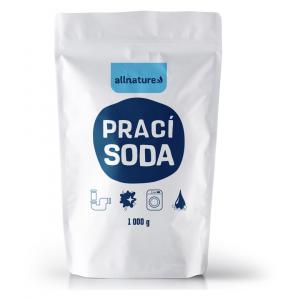
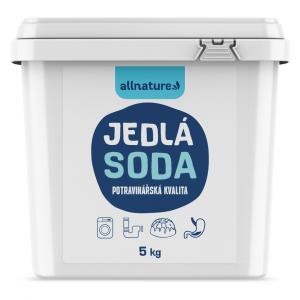
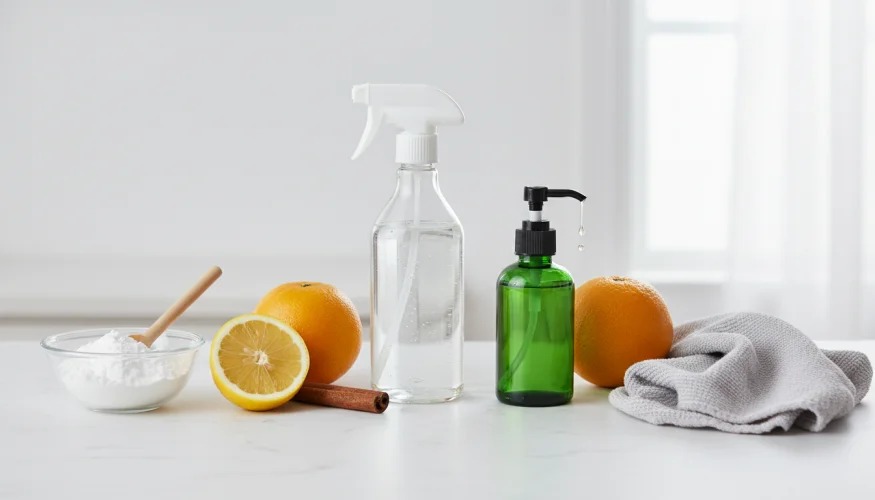
One of the oldest and most reliable helpers when degreasing is baking soda. This white powdery substance has a mildly alkaline pH, which allows it to chemically react with fatty acids and break them down. Simply mix baking soda with a little water or washing-up liquid into a thick paste, apply it to the soiled cabinet doors, and leave it to work for a few minutes. Then gently wipe it off with a damp cloth. For lighter grease deposits, this method works reliably and gently – without scratching the surface and without unnecessary chemicals in the home.
Another popular natural degreaser is vinegar, specifically white distilled vinegar diluted with water in a 1:1 ratio. The acetic acid it contains dissolves greasy deposits while also disinfecting the surface. Vinegar is particularly suitable for smooth laminate or painted MDF doors, but you need to be careful with natural wood or wax-finished surfaces, where the acid could cause damage. If the combination of the smell of vinegar and baking soda sounds like too rustic an approach, it is worth knowing that many modern eco-friendly cleaning products work on exactly the same principle – just in more elegant packaging.
A very effective yet surprisingly gentle method is also using washing-up liquid or another concentrated dish soap. Washing-up liquid was originally developed precisely for removing grease from dishes, so it can handle cabinet doors too. A few drops diluted in warm water, applied with a soft cloth or sponge, can remove even older deposits. Warm water plays an important role here – heat softens greasy deposits and makes them easier to remove mechanically.
An interesting alternative that has gained many fans in recent years is using lemon juice or orange essential oil. The terpenes found in citrus fruits have natural degreasing properties and also leave a pleasant scent. This method is ideal for those who want a clean kitchen but also want to avoid synthetic fragrances and preservatives. As the Healthline website notes, natural citrus-based cleaning agents can be comparably effective to common chemical products, while being significantly gentler on the environment and on health.
How to Handle Different Types of Kitchen Cabinet Door Surfaces
Not all kitchen cabinet doors are the same, and therefore the approach to cleaning them cannot be universal either. Modern kitchens offer a whole range of materials – from matt lacquered wood through high gloss, foil wraps, stainless steel, all the way to glass. Each of these surfaces reacts differently to cleaning products and requires different care.
With matt surfaces, the biggest enemy is aggressive scrubbing and abrasive products. Matt surfaces are prone to developing shiny patches where they have been wiped too vigorously, and these marks are practically impossible to remove. For this type of door, a soft microfibre cloth and a gentle degreaser based on washing-up liquid or an eco-friendly product with a neutral pH is most suitable. The motion should be circular and gentle, not forceful.
High-gloss surfaces, on the other hand, can tolerate a little more energy, but are very susceptible to scratches from hard sponges or rough cloths. Here the ideal combination is a microfibre cloth and warm soapy water, and after cleaning it is advisable to dry the surface with a dry cloth to prevent water spot marks. On glossy surfaces, water marks are actually more visible than the grease itself.
Stainless steel, which is increasingly being used for kitchen cabinet doors, has specific requirements. You should always clean in the direction of the material's grain, otherwise there is a risk of creating fine scratches that dull the surface. Special stainless steel products work excellently, but warm water with a little washing-up liquid and a soft cloth will also do the job. Vinegar is only suitable for stainless steel occasionally and in a strong dilution, as the acid can cause staining if left on for too long.
Let us consider a specific situation: Jana had just finished renovating her kitchen and had bought new white matt cabinet doors. For the first few months they looked great, but after six months of cooking they were visibly greasy and yellowing around the handles. Jana reached for an aggressive spray degreaser from the chemist, which did remove the grease but left shiny patches and fine scratches on the matt surface. Exactly this kind of situation is unnecessary – and can easily be avoided if you choose the right approach from the start and clean the doors regularly rather than sporadically.
Regularity is the key word here. Home hygiene experts recommend wiping kitchen cabinet doors at least once a week with a damp cloth so that grease does not have time to build up into a hard layer. Deep degreasing then only needs to be done once every month or two. As the classic saying goes: "Prevention is better than cure" – and in the case of kitchen surfaces, this is literally true.
In addition to common home methods, there are also commercial eco-friendly degreasers that combine the benefits of natural ingredients with the convenience of spray packaging. Such products are now available in a wide range of health food and eco-product shops. Their formulations are typically based on natural surfactants, citrus extracts, or enzymes that biologically break down grease without leaving toxic residues. For households with young children or allergy sufferers, these alternatives are particularly suitable, as after use there is no need to thoroughly rinse the surface with clean water to remove chemical residues.
It is also worth mentioning the steam cleaner, which over the past decade has found a firm place in many households. Hot steam can soften even very old and hardened greasy deposits, while using no chemicals at all. The result is a hygienically clean surface without any residues. A steam cleaner is an investment that is particularly worthwhile in households where cooking happens every day and where kitchen cabinet doors are exposed to intensive soiling. However, it is important to check whether the particular door surface is suitable for steam use – on some foil surfaces or wooden doors, high temperature and humidity could cause warping or peeling.
The choice of the right cloth also plays a major role. Microfibre cloths are the clear winner in this regard – their fine fibres capture grease and dirt mechanically, without the need for strong chemicals, while not scratching any surface. They are also washable and reusable, which is an advantage for both the wallet and the environment. According to research by the Ellen MacArthur Foundation, switching to reusable cleaning tools is one of the most effective steps for reducing household waste.
When degreasing doors, it is also worth paying attention to handles and the gaps around hinges, where grease accumulates most frequently and where it is also most difficult to reach. An old toothbrush dipped in warm soapy water or a baking soda solution is absolutely indispensable in these spots. Its firm bristles can get into even the narrowest gaps and effortlessly loosen hardened grease. This small detail, which is often overlooked when cleaning the kitchen, can transform the final appearance of the cabinet doors beyond recognition.
Degreasing kitchen cabinet doors therefore does not have to involve chemical products with hazard symbols or hours spent scrubbing. With a little regularity, correctly chosen products tailored to the specific surface, and a few tried-and-tested household tricks – such as baking soda, vinegar, or citrus extracts – kitchen cabinet doors can be kept in immaculate condition long-term and without unnecessary effort. And the bonus? A clean kitchen without aggressive chemicals is more pleasant not only for the eyes, but for the whole family too.