
Balloons and confetti at a plastic-free celebration go great together
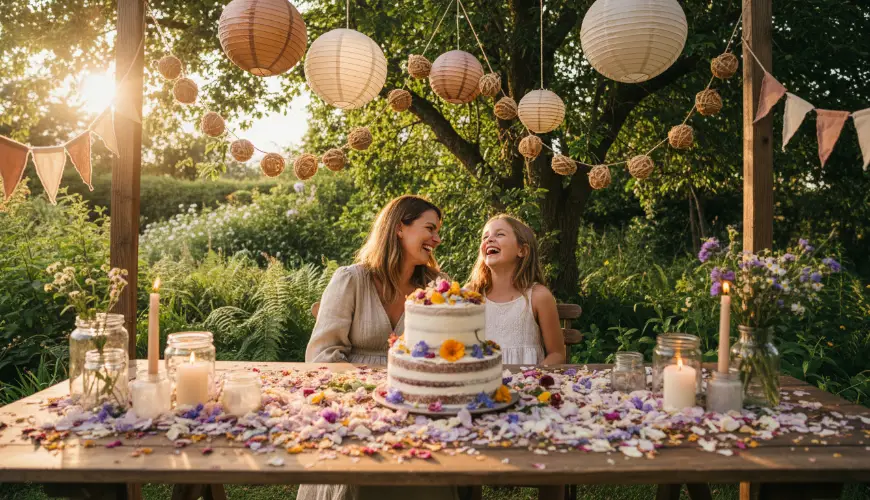
Every celebration deserves a little sparkle, colour and joyful atmosphere. Birthdays, weddings, graduations or just a spontaneous party with friends – all of these are part of life, and it's natural to want to decorate these moments. But behind every colourful balloon or handful of confetti lies an uncomfortable truth: most classic festive decorations are made of plastic that will remain on the planet for hundreds of years after the celebration is long over. The good news, however, is that a plastic-free celebration doesn't have to be dull or austere – quite the opposite.
Plastics are everywhere today, and festive decorations are no exception. Classic latex balloons, foil stars, plastic confetti or single-use garlands made from synthetic materials very often end up in nature after a celebration is over. Studies by Ocean Conservancy repeatedly show that balloons are among the ten most commonly found items during beach and waterway clean-ups. Sea turtles mistake them for jellyfish, birds feed them to their chicks, and microplastics from decomposing decorations seep into the soil and water. What brings a few hours of joy can cause damage for decades to come.
And yet it's not difficult to take a step in a different direction. All it takes is a little forward thinking and making different choices.
Try our natural products

Alternatives that actually work
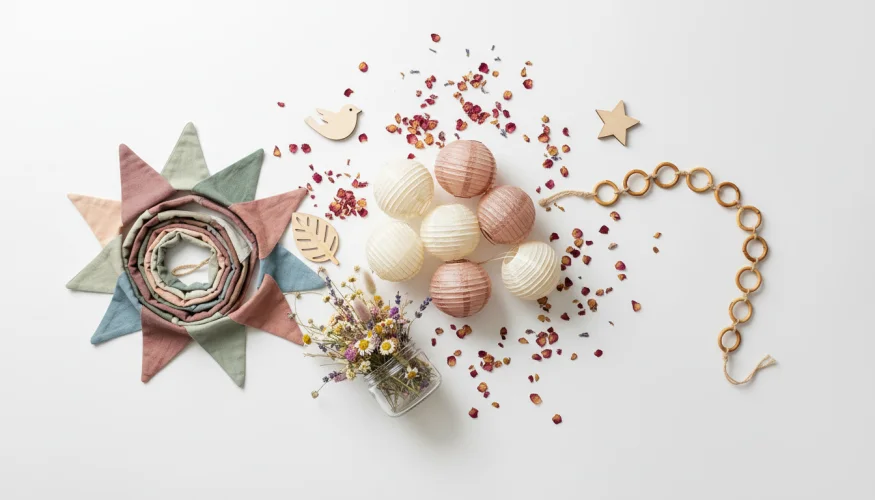
One of the most popular replacements for classic plastic confetti is confetti made from natural materials – such as dried flower petals, leaves or rice. In many countries, throwing rice at newlyweds has a centuries-old tradition, and today this practice is returning in a more modern form. Dried rose petals, lavender or cornflowers look wonderful in photographs, smell lovely, and most importantly – after the celebration, they simply decompose in nature or are eaten by birds. No clean-up, no microplastics.
The situation with balloons is similar. Foil balloons bearing golden or silver messages are made from aluminium foil and plastic – and recycling them is practically impossible. Latex balloons are slightly less harmful because latex comes from trees, but they still decompose very slowly in nature and pose a real danger to animals. Alternatives include paper lanterns, inflatable balloons made from natural latex certified as biodegradable, or better still – decorations that we don't release into the air at all.
The idea of "releasing balloons" as a romantic gesture is increasingly being criticised by environmental organisations. WWF and many other groups are actively calling for an end to the practice, because every balloon released into the air lands somewhere – most often in nature, in the sea or in a field where it can be eaten by livestock. Instead, an equally emotional moment can be created in other ways: lighting candles, planting a tree together, or floating paper boats on water.
Once you become aware of this, you start thinking about other details of the celebration too. What about garlands and decorations?
Paper garlands, bamboo decorations, cotton bunting or wreaths made from dried flowers and foliage are not only more eco-friendly, but also visually more interesting than plastic chains from a shop. They have character, a story, and after the celebration they can be reused or composted. Reusability is the key word of the modern celebration – decorations that survive more than one party are always a better choice than single-use ones.
What a plastic-free celebration looks like in practice
Imagine a birthday party for seven-year-old Anežka. Her mother decided that this year would be different – no plastic plates, no foil balloons, no confetti made from shiny plastic. Instead, she ordered biodegradable confetti made from dried flower petals, decorated the garden with paper lanterns and bamboo garlands, and used fresh flowers from a local garden centre as the main decoration, which she replanted into a balcony planter after the party. Instead of plastic party bag gifts, the children received flower seeds to plant and wooden toys. The result? The photographs looked more beautiful than ever, nature suffered no new burden, and Anežka still remembers the celebration to this day – precisely because it was different and somehow special.
This example shows that a sustainable celebration doesn't have to be a compromise. On the contrary – it tends to be more creative, more personal and often even less expensive than buying a heap of single-use plastic goods.
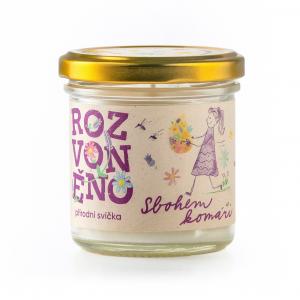
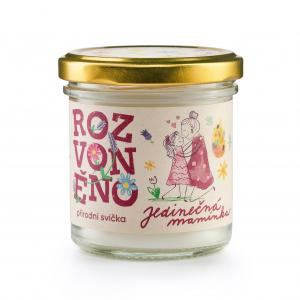
Another practical step is thinking about the overall concept of the celebration. Instead of buying lots of small decorations that end up in the bin, you can focus on one striking element – a large wreath made from fresh branches, a table decorated with candles in glass jars, or a simple photo wall made from natural materials. Less is often more, and this is doubly true when it comes to sustainable celebrating.
Let's not forget invitations and supplementary stationery. Digital invitations are completely standard today and entirely sufficient, but if someone still wants a physical invitation, there are papers made from recycled materials or even seed papers that can be planted in the ground after reading and grown into flowers. Such an all-in-one gift has a story that stays with the reader for a long time.
As activist and sustainable lifestyle author Bea Johnson once said: "Refusing is not about denying yourself joy. It's about finding joy in what we truly need." And this applies to celebrations too – the joy of a celebration doesn't come from the quantity of plastic decorations, but from the presence of the people we love, good food and moments that are never forgotten.
One area that is often overlooked when planning a sustainable celebration is refreshments and tableware. Single-use plastic cups, straws and plates are convenient, but their lifespan is literally a matter of minutes, while they persist in nature for hundreds of years. The solution is simple: borrow tableware from family or friends, use your own set, or hire a caterer who brings their own crockery. There are also compostable alternatives on the market made from bamboo, sugarcane or palm leaves, which leave no harmful trace after use.
It's also important to think about what remains after the celebration. Leftover food can be composted or donated, decorations stored for future use, and anything that cannot be reused properly sorted for recycling. A sustainable celebration doesn't end when the last guest walks out the door – but only once everything has been tidied away with consideration for where each type of waste belongs.
More and more people are realising that their purchasing decisions have a real impact. According to a Eurobarometer survey from 2023, more than 70% of Europeans consider climate change a very serious problem, and the majority are willing to change their consumer habits if given concrete and accessible alternatives. Festive decorations are one area where change is truly easy and immediate.
Inspiration can also come from traditional cultures that celebrated for centuries without a single piece of plastic. Japanese Hanami festivals, where people gather beneath blossoming cherry trees, use nature itself as the decoration. Mexican Día de los Muertos celebrations work with fresh and dried flowers, candles and natural colours. Indian festivals use powdered colours made from natural pigments. All of these traditions show that the most beautiful celebrations are those that draw from nature, not those that damage it.
For those who don't know where to start, gradual change can be a good starting point. Not everything has to change at once. Simply leave out the foil balloons at the next celebration and use paper lanterns instead. Or replace plastic confetti with petal confetti. Every small decision counts, and every such choice sends a signal – to manufacturers, shops and other guests – that demand for sustainable alternatives exists and is growing.
Celebrations have been part of human life since time immemorial. They are moments when we pause, give thanks, share joy and create memories. It's natural to want them to be beautiful and unforgettable. But the beauty of a celebration truly doesn't need to come in a plastic wrapper – and the more people understand this, the more vibrant and healthy the planet will be for those who will be celebrating after us.