

Painful and stiff joints in menopause and their real cause
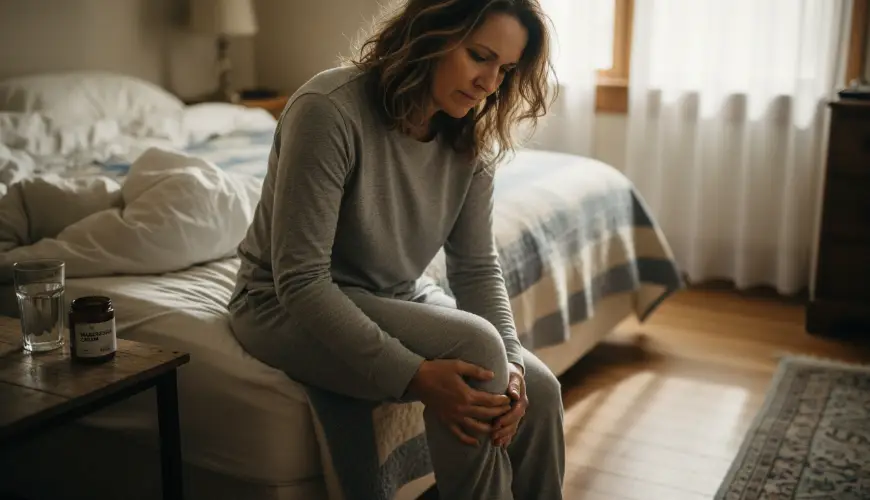
Getting out of bed in the morning, taking those first steps, and feeling every joint protest – this is an experience familiar to far more women in their forties and fifties than might initially appear. Yet it is discussed far less than it needs to be. Joint pain, morning stiffness, the feeling that the body has aged overnight – all of this tends to be dismissed as a "normal part of ageing" or attributed to overwork and stress. In reality, however, a specific, scientifically described phenomenon may be behind it: the musculoskeletal syndrome of menopause.
This syndrome is nothing new in medical literature, but it has only been entering broader public awareness in recent years. It encompasses a whole range of musculoskeletal symptoms – from muscle and joint pain and stiffness to an increased risk of osteoporosis – and is directly linked to the hormonal changes women experience during perimenopause and menopause. Yet these very symptoms tend to be the least recognised, by both women and their doctors, as part of the menopausal transition.
Try our natural products

Why oestrogen affects the joints
To be clear about what we are actually talking about, it is worth pausing for a moment on the biology. Oestrogen – the primary female sex hormone – does not only play a role in the reproductive system. Its receptors are found practically throughout the entire body, including joint cartilage, bone tissue, muscles, tendons and ligaments. Oestrogen has anti-inflammatory properties, supports collagen synthesis and helps maintain the elasticity of connective tissues. In other words: as long as there is enough of it, joints are more supple, cartilage regenerates more effectively, and muscles retain their mass more easily.
Once oestrogen levels begin to fall – and this happens gradually from the age of forty, sometimes even earlier – this entire system starts to change. Synovial fluid, which lubricates the joints and cushions impact, decreases. Collagen fibres lose their elasticity. Muscles recover more slowly from exertion and their overall mass declines more rapidly than before. The result is precisely that characteristic morning stiffness, pain during movement, or the feeling that the body is no longer "responding" the way it used to.
Research from recent years, such as studies published in the specialist journal Climacteric, has repeatedly shown that musculoskeletal symptoms are among the most common complaints of women in the menopausal transition – and yet they are systematically underdiagnosed. Part of the problem lies in the fact that women and their doctors automatically attribute these symptoms to age or rheumatic conditions, without considering the hormonal context.
Imagine, for instance, a forty-four-year-old teacher who begins experiencing knee pain when climbing stairs and morning stiffness in her fingers. She undergoes an examination with an orthopaedic specialist, the results are normal, and she is referred for physiotherapy. The physiotherapy helps only partially. Yet no one asks what her menstrual cycle looks like, whether it has changed, or whether she has noticed any other symptoms of perimenopause. And yet this may be precisely where the key to understanding what is happening lies.
How to recognise the musculoskeletal syndrome of menopause
One of the reasons so little is known about this syndrome is its variability. Symptoms differ from woman to woman and can overlap with other conditions. Nevertheless, certain characteristic patterns exist that are worth paying attention to.
Most commonly, joint stiffness manifests in the morning after waking and typically lasts less than an hour – in contrast to rheumatoid arthritis, where morning stiffness tends to be longer-lasting and more pronounced. It most frequently affects the hands, knees, hips and spine. Many women describe feeling "as though they were seventy," despite otherwise being active and healthy. Another symptom is myalgia – muscle pain without an obvious cause, which can move from place to place. Fatigue, reduced performance during physical activities and slower recovery after exertion are also common.
It is also important to mention reduced bone density, which accompanies menopause almost inevitably. Oestrogen protects bones from breakdown, and once its levels fall, bone turnover accelerates. Post-menopausal women are therefore at significantly greater risk of osteopenia and osteoporosis than men of the same age. The World Health Organization estimates that osteoporosis affects approximately 200 million women worldwide and is one of the leading causes of fractures in older age.
There is no need to wait for menopause itself – that is, for a full year without menstruation. The perimenopausal period, which can last up to ten years, brings hormonal fluctuations during which musculoskeletal symptoms may first appear. Women between the ages of 40 and 50 who notice new joint problems without an obvious cause should therefore also consider the hormonal context and raise this topic with their gynaecologist or general practitioner.
As Dr Mary Jane Minkin of Yale School of Medicine, a leading expert in menopausal medicine, puts it: "Too many women suffer needlessly because their symptoms are not being connected to menopause. The musculoskeletal system is one of the first systems to respond to declining oestrogen."

What actually helps
The good news is that the musculoskeletal syndrome of menopause is not a fate that cannot be influenced. There are a whole range of approaches – from medical interventions to lifestyle changes – that can significantly alleviate symptoms and slow the deterioration of the musculoskeletal system.
At the forefront is movement, and a specific kind of movement. Strength training – that is, exercise with resistance, whether using one's own body weight, dumbbells or resistance bands – has proven to be an extraordinarily effective tool for preserving muscle mass, slowing the loss of bone density and improving joint stability. Research has repeatedly confirmed that women who engage in regular strength training during perimenopause and after menopause have a significantly lower risk of fractures and better mobility in later life. There is no need to go to the gym five days a week – two to three training sessions per week can produce measurable results.
Alongside strength training, activities focused on flexibility and balance also have their place – yoga, Pilates or tai chi. These disciplines help maintain the range of motion in joints, strengthen the deep stabilising system and reduce the risk of falls. It is no coincidence that in cultures where these practices are part of everyday life, the incidence of osteoporosis-related fractures is lower.
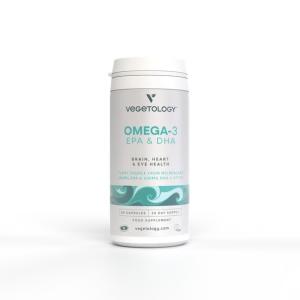
Nutrition plays a role in this context that is often underestimated. Calcium and vitamin D are fundamental to bone health – this is widely known. Less discussed, however, is the role of collagen, omega-3 fatty acids and antioxidants in supporting joint cartilage and reducing inflammation. A diet rich in vegetables, fish, legumes and wholegrains naturally provides many of these nutrients. Quality dietary supplements – such as collagen peptides, fish oil or curcumin – can be a suitable addition where diet alone is insufficient, but it is always better to consult their use with a doctor or nutritional therapist.
Hormone replacement therapy (HRT) is a chapter in itself. Despite being surrounded by numerous myths and concerns, modern medicine is returning to it with a far more nuanced perspective than prevailed in the 1990s. Professional bodies, including the Menopause Society, now state that for healthy women under sixty who begin HRT within the first ten years after menopause, the benefits generally outweigh the risks. HRT can significantly alleviate musculoskeletal symptoms, slow bone loss and improve overall quality of life. The decision to begin it is, however, always individual and requires thorough consultation with a doctor.
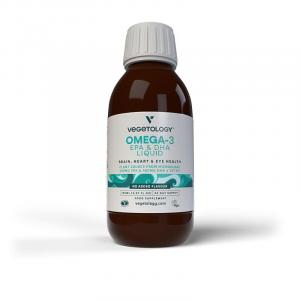
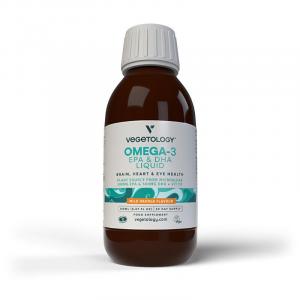
For everyday musculoskeletal care, products aimed at naturally reducing inflammation and supporting tissue regeneration can also play a role. Plant-based oils rich in omega-3 fatty acids, natural ointments containing arnica or Epsom salt baths are examples of simple, accessible remedies that can bring relief as part of everyday care for tired joints and muscles. These are not a substitute for medical care, but a meaningful complement to a healthy lifestyle.
The impact of sleep and stress should not be overlooked either. Cortisol – the stress hormone – has pro-inflammatory effects and, when chronically elevated, contributes to musculoskeletal pain. Women in perimenopause frequently suffer from sleep disturbances caused by night sweats and hormonal fluctuations, which further impairs muscle and joint recovery. Caring for sleep quality – whether through sleep hygiene, relaxation techniques or adapting the bedroom environment – is therefore not a luxury, but a genuine component of musculoskeletal care.
The musculoskeletal syndrome of menopause is a topic that deserves to be spoken aloud – in medical practices, among friends and in the public sphere. Women in their forties and fifties are not being "hypochondriacal" when they complain about their joints. Their bodies are undergoing a fundamental hormonal transformation that has real, measurable effects on the musculoskeletal system. The sooner these symptoms are recognised and named, the sooner action can be taken – and the greater the chance that the coming decades will be not only free from unnecessary pain, but also full of movement, energy and vitality.