
# What Vinegar and Baking Soda Can Handle in Cleaning – and Where They Fall Short Vinegar and bakin
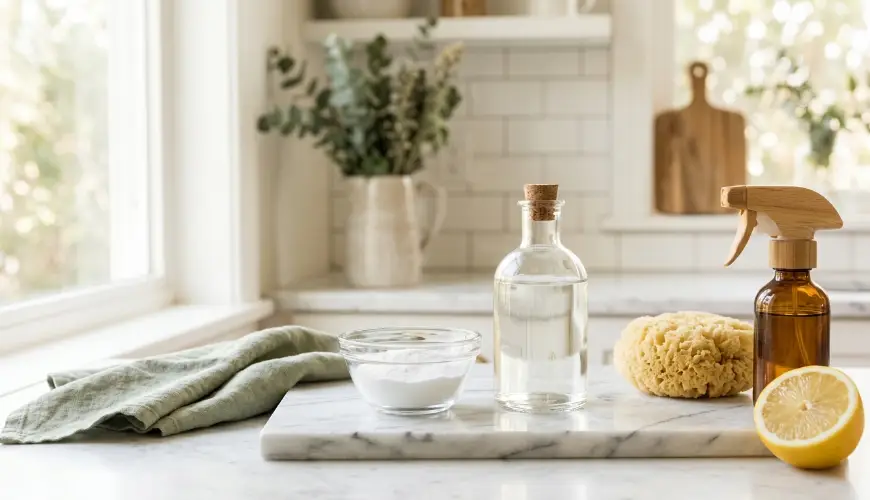
Few domestic duos have gained such popularity in recent years as baking soda and vinegar. Social media is full of videos where enthusiastic advocates of natural cleaning happily demonstrate how these two accessible and inexpensive ingredients work wonders on kitchen sinks, bathroom tiles, or clogged drains. But is it really that simple? The truth is, as usual, somewhere in the middle – and it's worth knowing before you embark on a big spring clean armed with nothing but white vinegar and an orange box of baking soda.
Baking soda, chemically sodium bicarbonate, and vinegar, which is acetic acid diluted in water, are among the oldest household helpers. Their popularity in the context of eco-friendly cleaning is no coincidence. They are biodegradable, affordable, easy to obtain, and unlike many industrial cleaning products, they contain no synthetic fragrances or aggressive chemicals that can irritate the respiratory tract or pollute wastewater. According to the World Health Organization, exposure to chemicals found in common cleaning products is among the underestimated health risks in the domestic environment – and that is one of the reasons why more and more people are looking for alternatives.
Try our natural products
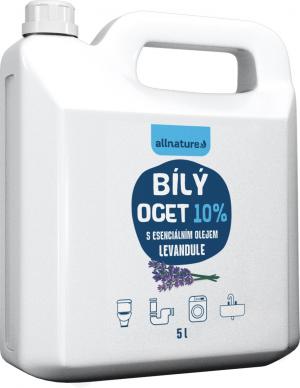
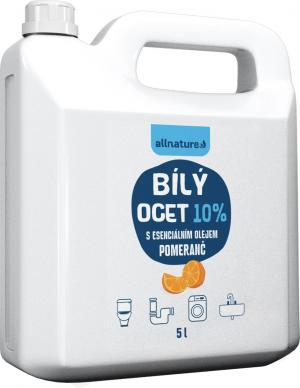
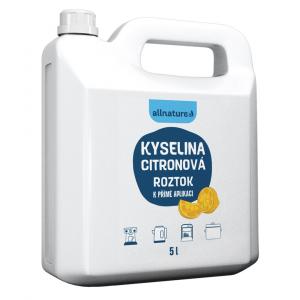
What baking soda and vinegar can actually handle
Let's start with the positives. Baking soda is a mildly alkaline substance with a pH of around 8.3, making it an excellent natural abrasive and neutralizer of acidic odors. If you've ever accidentally left an open container of fish food in the fridge over the weekend, you know how unpleasant the result can be. An open box of baking soda in the fridge genuinely helps absorb odors, because it chemically reacts with the acidic molecules causing the smell. The same principle works on carpets after spilled milk, in shoes, or in rubbish bins.
As a gentle abrasive, baking soda proves its worth when cleaning enameled bathtubs, ceramic washbasins, or kettles with limescale. Simply apply it to a damp sponge, gently rub the surface, and rinse. The results are often surprisingly good – no scratching, no aggressive chemicals. It is equally useful for cleaning burnt residue from hobs or ovens, where it can be left to work overnight and simply wiped away in the morning.
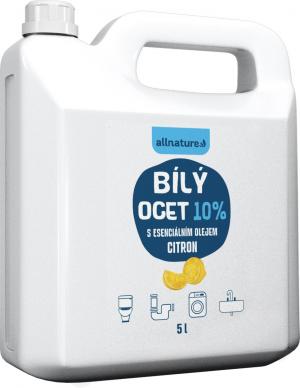
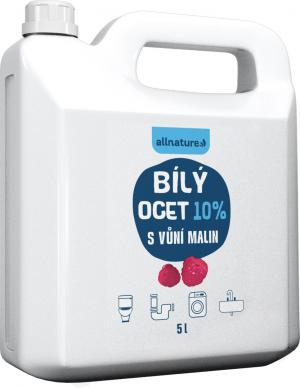
Vinegar, specifically white distilled vinegar with an acetic acid content of around 5–8%, is on the other hand an excellent remover of limescale and mineral deposits. This is where its greatest strength lies. A clogged shower head, greyed glass shower doors, or a cloudy kettle window – these are situations where vinegar truly excels. Simply soak the shower head in vinegar for an hour or two and the deposits will loosen on their own. This method is also recommended by the British consumer organization Which?, which describes it as one of the most effective domestic ways of removing limescale without industrial chemicals.
Vinegar is also useful as an additive in the washing machine to soften laundry instead of fabric conditioner, for cleaning glass surfaces, or as a component of homemade cleaning sprays. In diluted form (one part vinegar to one part water), it works as a reasonable disinfectant for everyday surfaces – although it is important to emphasize that its disinfecting effects are significantly weaker than those of alcohol- or chlorine-based products.
And what about the popular combination of the two? When baking soda and vinegar are mixed together, a vigorous chemical reaction occurs, producing carbon dioxide, water, and sodium acetate. The visually impressive fizzing that looks so convincing in videos is, however, more of a performance from a cleaning perspective. As the American portal American Chemical Society explains, after the reaction, what remains is essentially just a weak saline solution with no exceptional cleaning properties. In other words, the physical effect of the bubbling can help to mechanically dislodge dirt in drain pipes, but the actual chemical result of the reaction is not a particularly powerful cleaning agent.
Where these products fall short – and where they can actually cause harm
And this is where the less popular part of the story begins. There are situations where baking soda and vinegar simply are not enough, and even situations where their use can cause damage.
Take a real-life example. Jana, who decided two years ago to switch entirely to natural cleaning, was delighted with the results on her kitchen counter and in the bathroom. But when black mold appeared on the silicone sealant in the bathroom during winter, not even a week of regular cleaning with vinegar helped. The mold came back every few days. She eventually had to resort to a product containing sodium hypochlorite, which truly eliminated the mold. Her experience is not an exception – experts repeatedly warn that while vinegar can inhibit the growth of some bacteria and molds, it does not have sufficient mycidal efficacy to eliminate already established mold colonies, particularly those in porous materials such as silicones or grout.
Another problem is using vinegar on unsuitable surfaces. Natural stone – marble, travertine, limestone – reacts very poorly with acetic acid. The acid damages the surface of the stone, causes dulling, and causes long-term harm. The same risk applies to unfinished wood, certain types of laminate flooring, or surfaces treated with wax products. Vinegar on a marble kitchen island countertop can leave permanent marks – damage that is not easily repaired.
Baking soda, meanwhile, can be too abrasive for polished stainless steel surfaces or the surface finishes of some modern kettles and kitchen utensils with anti-corrosion coatings. Fine scratches may not be immediately visible, but with repeated use the surface gradually dulls and becomes more prone to the accumulation of dirt.
It is also worth mentioning disinfection as such. During periods of viral illness, or in households with young children and compromised immune systems, vinegar is not a reliable disinfectant. For truly effective disinfection, you need either alcohol at a concentration of at least 70%, or certified disinfecting products. This distinction is crucial, because confusing a "natural cleaning product" with "disinfection" can have real health consequences.
As British chemist and science communicator Ben Goldacre noted in one interview: "More natural does not always mean safer or more effective – it depends on the context, concentration, and method of use." This thought applies to baking soda and vinegar just as much as to anything else.
How to use them wisely
The key is neither to dismiss baking soda and vinegar as useless, nor to regard them as all-powerful. The point is to understand their true capabilities and deploy them where they genuinely work. For everyday maintenance of cleanliness, removing limescale, neutralizing odors, or gentle abrasive cleaning of ceramics, they are an excellent choice that saves both money and the environment.
For situations such as disinfection, mold removal, cleaning natural stone, or deep sanitation, however, different tools are needed. And that does not necessarily mean aggressive industrial chemicals – the market offers a growing number of eco-friendly cleaning products with certification that combine effectiveness with environmental responsibility. For example, products with the Ecolabel or Nordic Swan Ecolabel certification meet strict environmental criteria while delivering reliable cleaning results even in situations where baking soda and vinegar fall short.
For those who want an overview of where baking soda and vinegar work best, here is a handy reference:
- Baking soda: neutralizing odors (fridge, shoes, carpet), gentle abrasive cleaning of ceramics and enamel, cleaning ovens and hobs of burnt residue, teeth whitening in combination with toothpaste
- Vinegar: removing limescale (kettle, shower head, taps), cleaning glass surfaces, softening laundry in the washing machine, cleaning coffee machines
- Combination of both: mechanically dislodging dirt in drain pipes (the bubbling effect), but not as a disinfectant
Proper storage and use are also important. Vinegar should not be stored in metal containers, as it is corrosive. Baking soda loses its effectiveness when exposed to moisture or strong odors – so it is better to always keep a freshly opened box at home and use the older one for baking.
Natural cleaning makes sense, and not just from an ecological perspective. Less chemistry in the home means better air quality, less risk for children and pets, and in the long term, less burden on aquatic ecosystems. But to be truly effective, it must be informed. Baking soda and vinegar are excellent helpers – but only when you know where their place is, and where it is better to reach for something else.