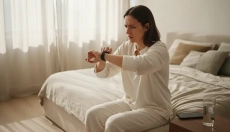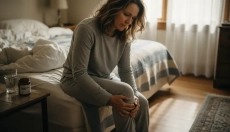

Low blood pressure troubles slim women more than they think
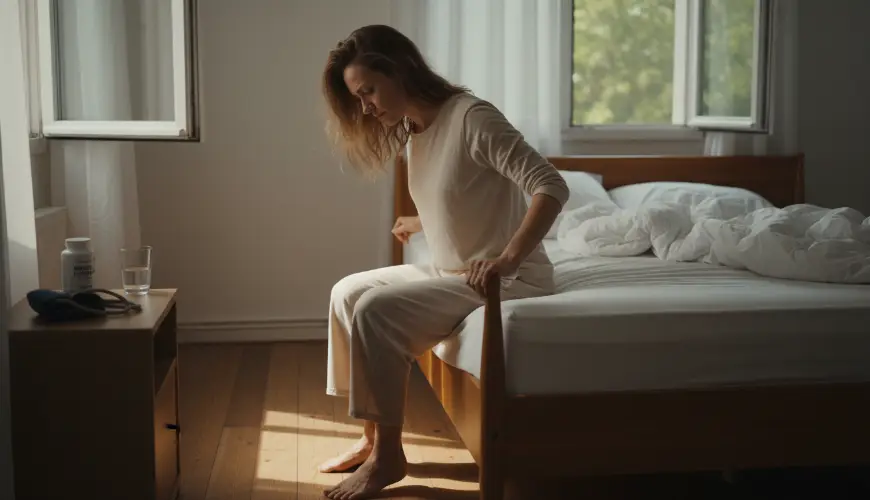
While high blood pressure attracts the attention of doctors, the media, and the public as one of the main risk factors for heart disease, its opposite remains in the shadows. Low blood pressure, medically referred to as hypotension, tends to be downplayed, overlooked, and often even considered an advantage. "You have great blood pressure," doctors tell women whose values are well below normal – while those same women literally grip the doorframe every morning to keep from falling. This paradox is a reality for hundreds of thousands of people in the Czech Republic, with slim women being among the most frequently affected groups.
Why this is the case, and why this condition should not be taken lightly, deserves a closer look.
Try our natural products
What low blood pressure actually means and when it becomes a problem
Blood pressure is measured in two values – systolic (upper) and diastolic (lower). A normal value is considered to be approximately 120/80 mmHg. We speak of hypotension when the systolic pressure drops below 90 mmHg or the diastolic below 60 mmHg. However, this threshold is not absolute – it always depends on the context, age, sex, and overall health of the individual.
It is crucial to distinguish between so-called constitutional hypotension, which is an innate disposition and does not necessarily cause problems on its own, and symptomatic hypotension, which manifests through a range of unpleasant symptoms. It is this second form that can significantly worsen the quality of daily life. Fatigue, dizziness, headaches, fainting, difficulty concentrating, or a feeling of so-called "brain fog" – these are the accompanying symptoms that many women consider a normal part of their functioning, without realising that their cause is precisely low blood pressure.
According to information available, for example, on the Mayo Clinic portal, hypotension can in more serious cases also cause visual disturbances, nausea, or impaired coordination of movement. These symptoms are easily confused with other conditions – overwork, lack of sleep, or stress – and so they remain without a correct diagnosis for months, sometimes even years.
A particular subcategory is so-called orthostatic hypotension, where blood pressure drops sharply with a change in body position – most commonly when getting up from bed or from a chair. This phenomenon is very well known to any woman who gets up in the morning and momentarily loses her vision or feels the world spinning. It is often attributed to rushing or lack of sleep, but the true cause is precisely the vascular system's insufficient ability to quickly compensate for the change in position.
Why slim women are particularly vulnerable
The connection between low body weight and low blood pressure is not coincidental. There are a number of physiological reasons for it that intertwine and reinforce one another.
People with lower body weight naturally tend to have a smaller volume of circulating blood. The heart must therefore work with a smaller amount of fluid, and the resulting pressure on the vessel walls is lower. This in itself need not be problematic, but when dehydration, hot weather, prolonged standing, or the menstrual cycle are added to the equation, a significant drop in blood pressure with acute symptoms can occur.
The hormonal environment also plays an important role. Oestrogen, the female sex hormone, has a natural vasodilatory effect – meaning it widens blood vessels. This is generally beneficial for cardiovascular health, but in women who already have lower blood pressure, it can contribute to a further decrease, particularly at certain phases of the menstrual cycle. It is therefore no coincidence that many women describe a worsening of hypotension symptoms precisely during menstruation.
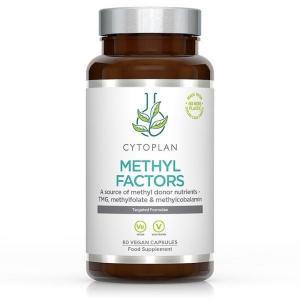
Nutrition also plays a crucial role in this story. Slim women, especially those who follow various forms of diets or restrict their food intake, may suffer from a deficiency of key nutrients. A lack of vitamin B12, folic acid, or iron leads to anaemia, which further deepens low blood pressure. Sodium intake, which has a direct influence on blood pressure, is often deliberately restricted by people following a healthy lifestyle – and this can be counterproductive in cases of hypotension.
Consider Kateřina, a thirty-year-old graphic designer from Brno, who has spent her entire adult life dealing with what doctors describe as "constitutionally low blood pressure." She weighs 52 kilograms, exercises, eats healthily, and yet every morning she needs at least ten minutes after waking up before she feels capable of getting out of bed. At work meetings where she has to stand for long periods, she regularly feels unwell. Doctors repeatedly assure her that she is healthy. She herself knows, however, that something is not right – she just doesn't receive an adequate explanation or help.
Stories like Kateřina's are surprisingly common. And precisely because the symptoms of hypotension are neither dramatic nor immediately life-threatening (with the exception of serious conditions), women with this problem are often sent home with the advice to "rest more and drink more water."
What actually helps and what to watch out for
So how can low blood pressure be managed when it is not caused by a serious illness requiring pharmacological treatment? There are a number of approaches that can significantly improve the situation without the need to resort to medication.
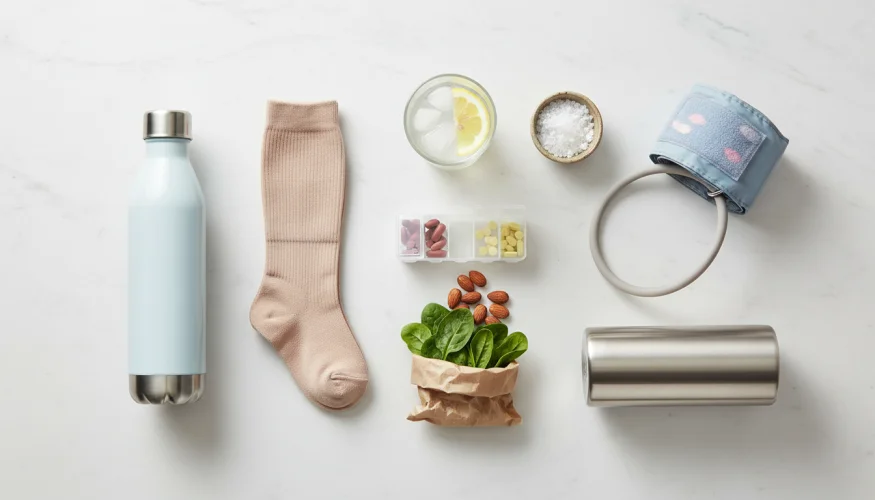
Hydration is the first and most important step. Adequate fluid intake – not just water, but also mineral drinks containing electrolytes – helps maintain a sufficient volume of blood in circulation. Expert recommendations are around two litres of fluids per day, with the need being significantly higher in hot weather or during physical activity.
Salt intake, though often demonised in the context of a healthy lifestyle, plays a specific role for those with hypotension. Sodium helps retain water in the body and thereby raises blood pressure. Of course, moderation must be maintained – excessive salt intake has its own health risks – but women with low blood pressure do not need to drastically restrict sodium.
Physical activity is paradoxically one of the most effective means of stabilising blood pressure. Regular exercise strengthens the heart and improves vascular tone, thereby contributing to better pressure regulation. It is important, however, to avoid sudden changes in position, prolonged standing in one place, and intense exertion in hot environments without adequate hydration.
Diet should be regular and energetically sufficient. Skipping meals or leaving excessively long gaps between meals leads to a drop in blood sugar levels, which further worsens low blood pressure. Smaller but more frequent portions are significantly more suitable for women with hypotension than two large meals a day. Including foods rich in B vitamins, iron, and protein can also contribute to an improvement in overall condition.
Clothing and lifestyle habits play a role that may be surprising. Compression stockings or knee-highs, which are commonly associated more with pregnancy or varicose veins, can be a genuine help for women with hypotension. They help prevent blood from pooling in the lower limbs and support its return to the heart. Similarly helpful is avoiding prolonged standing, sleeping with the head slightly elevated, or getting out of bed slowly and gradually.
As German internist and author of popular science books on cardiovascular health Max Pemberton aptly observed: "Low blood pressure doesn't behave like a disease – it behaves like a personality trait. And that's why it's so hard to treat."
This observation captures one of the greatest problems with hypotension: its invisibility. Women who suffer from it have learned to live with their symptoms, to adapt their day around them, and to apologise for needing more time to warm up in the morning or for having to sit down in the middle of a supermarket. Social pressure for productivity and adaptability means they don't talk about their difficulties or downplay them even to themselves.
It is important to emphasise, however, that not every case of low blood pressure is benign. Hypotension can be a symptom of a more serious condition – such as heart disorders, endocrine problems like hypothyroidism or Addison's disease, neurological conditions, or severe anaemia. Therefore, every woman who experiences significant and recurring symptoms should visit a doctor and undergo basic examinations to rule out more serious causes. The National Institute of Public Health portal offers clear information on preventive check-ups, within the framework of which blood pressure can be regularly monitored.
Low blood pressure in slim women is therefore a topic that deserves far more attention than it currently receives. It is not merely "good blood pressure" nor a purely cosmetic matter – it is a real condition that affects daily functioning, work performance, mood, and overall quality of life. And while pharmacological solutions exist only to a limited extent and are reserved for more serious cases, changes in lifestyle, diet, and daily habits can bring significant relief. It is simply a matter of knowing where to look for the cause – and stopping overlooking it just because it is not visible at first glance.