

# The Impact of Magnesium Deficiency on PMS and How to Alleviate It

Every month, millions of women around the world experience a similar scenario: a few days before menstruation, irritability sets in, along with headaches, fatigue, swelling, or uncontrollable cravings for sweets. Premenstrual syndrome, or PMS for short, is a phenomenon that modern medicine knows well, but its causes are still the subject of research. One factor that experts have been watching with increasing attention in recent years is magnesium deficiency and its direct influence on the course and intensity of PMS symptoms.
Magnesium is one of the so-called essential minerals - substances that the body cannot produce on its own and must obtain from food or dietary supplements. Although it is the fourth most abundant mineral in the human body, research repeatedly shows that a large portion of the population suffers from insufficient intake. In women of reproductive age, this situation is particularly pronounced - and yet they are precisely the group that could benefit most from adequate magnesium intake.
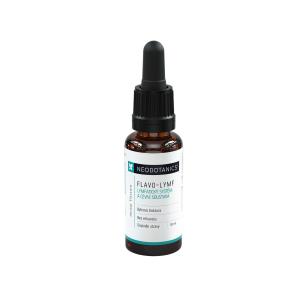
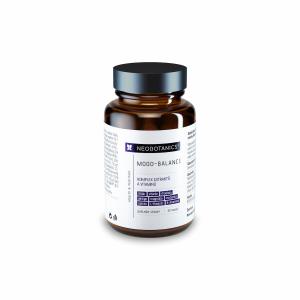
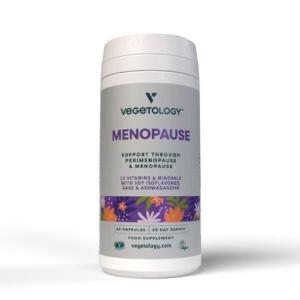
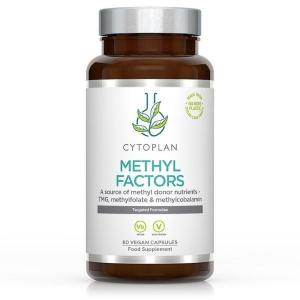
Try our natural products
What actually happens in the body just before menstruation
To understand why magnesium deficiency has such an impact on PMS, it is first necessary to understand what happens in a woman's body during the luteal phase of the cycle - that is, the period of approximately two weeks between ovulation and the start of menstruation. During this time, progesterone levels rise and estrogen undergoes fluctuations that have far-reaching consequences for the nervous system, mood, and physical condition.
Magnesium plays a key role in regulating a whole range of biological processes that are directly linked to this phase of the cycle. It participates in the synthesis of neurotransmitters, particularly serotonin, which is responsible for feelings of wellbeing and emotional stability. It influences insulin sensitivity, thereby indirectly regulating sugar cravings. It helps release muscle tension and reduce inflammation. And last but not least, it participates in regulating cortisol - the stress hormone whose elevated levels are commonly observed in women suffering from PMS.
When there is too little magnesium in the body, all of these processes become disrupted. Serotonin is produced less efficiently, muscles are more prone to cramps, the stress response is more intense, and sensitivity to pain increases. The result is the entire complex of symptoms that most women know under the collective name PMS.
Scientific studies confirm this connection quite convincingly. Research published in the specialist journal Gynecological Endocrinology found that women suffering from pronounced PMS symptoms have demonstrably lower magnesium levels in their red blood cells during the luteal phase of the cycle than women who do not experience PMS symptoms or experience them only mildly. Another study, whose results were published in the journal Magnesium Research, demonstrated that regular magnesium supplementation led to a statistically significant reduction in water retention, anxiety, and painful cramps associated with the menstrual cycle.
Specific PMS symptoms that magnesium influences most
To speak of PMS as a single homogeneous phenomenon would be an oversimplification. Experts distinguish various subtypes of symptoms, each with a somewhat different physiological cause. And this is precisely where the broad reach of magnesium deficiency on the female organism during the premenstrual period becomes apparent.
One of the most frequently mentioned symptoms is headaches and migraines. Magnesium participates in regulating blood flow in the brain and in the release of serotonin, and its deficit is therefore associated with a higher frequency of migraine attacks. The American Neurological Association has even included magnesium supplementation among its recommended preventive strategies for women suffering from menstrual migraine. Similarly significant is magnesium's influence on the psychological symptoms of PMS - irritability, anxiety, tearfulness, or feelings of being overwhelmed. These manifestations are closely linked to nervous system activity and the balance of neurotransmitters, in whose production magnesium directly participates.
Another typical symptom is painful cramps in the lower abdomen, which trouble a large number of women not only during menstruation but already in the premenstrual period. Magnesium functions as a natural muscle relaxant - it blocks the entry of calcium into muscle cells, thereby preventing excessive contractions of the smooth muscle of the uterus. A lack of magnesium therefore logically leads to more intense cramps. Water retention and swelling, which many women experience as uncomfortable bloating or a feeling of heavy legs, are another symptom for which research has demonstrated a positive effect of magnesium supplementation.
And finally - who hasn't experienced that irresistible craving for chocolate or other sweets in the premenstrual period? This craving for sweets has its biochemical basis. Magnesium plays a role in regulating blood sugar levels and cellular sensitivity to insulin. When it is deficient, the body tries to compensate for energy fluctuations by reaching for quick carbohydrates. An interesting coincidence is the fact that chocolate - especially dark chocolate - is among the relatively rich sources of magnesium. Perhaps the body knows what it's doing when it craves it.
Take the example of thirty-year-old Markéta, who works at a marketing agency and every month, approximately one week before menstruation, experienced intense fatigue, irritability, and migraines that practically put her out of action at work. After consulting with her doctor, she began monitoring her diet and discovered that it was very poor in foods rich in magnesium - she ate little dark leafy vegetables, nuts, and legumes. After adjusting her diet and supplementing with magnesium in supplement form, her PMS symptoms significantly diminished after just three menstrual cycles. Stories like Markéta's are not at all exceptional - a growing number of women and specialists dealing with PMS describe similar experiences.

Why magnesium deficiency is so widespread and what to do about it
You may wonder: why is a deficiency of such a common mineral so widespread? The answer lies in a combination of several factors characteristic of the modern lifestyle. Industrially processed foods, which form the basis of the diet of a large portion of the population, are very low in magnesium. Intensive agriculture has moreover led to a decline in the mineral content of soil, and therefore also of cultivated crops. Added to this are factors such as chronic stress, excessive alcohol consumption, high sugar intake, or the use of certain medications - such as hormonal contraceptives or proton pump inhibitors - which reduce absorption or increase the excretion of magnesium.
As leading American nutrition researcher Dr. Carolyn Dean noted: "Magnesium is an invisible deficiency - the symptoms of its shortage are so varied and so common that most people attribute them to other causes." This thought captures the essence of the problem: magnesium deficiency is very easily overlooked, because its manifestations - fatigue, irritability, headaches, muscle cramps - are symptoms that doctors and patients automatically associate with other diagnoses.
When it comes to concrete steps, the first and most natural way to increase magnesium intake is to adjust one's diet. Among the richest dietary sources of magnesium are:
- pumpkin seeds (approximately 150 mg per 30 g serving)
- dark chocolate with a high cocoa content
- almonds, cashews, and other nuts
- spinach, kale, and other dark leafy greens
- black beans, lentils, and other legumes
- avocado
- whole grain cereals
Diet alone, however, is insufficient for many women - especially when PMS symptoms are pronounced or when magnesium absorption from food is limited for various reasons. In such cases, supplementation comes into play. Not all forms of magnesium are equally effective. Magnesium in the form of glyconate, citrate, or bisglycinate is generally better absorbed than the cheaper magnesium oxide, which is most commonly found in dietary supplements. For women with PMS, it is therefore worthwhile to pay attention not only to dosage but also to the form of the chosen preparation.
The recommended daily dose of magnesium for adult women is around 310–320 mg, and during the luteal phase of the cycle the need may be higher. When supplementing, it is advisable to consult dosage with a doctor or pharmacist, especially when taking other medications or in the presence of chronic conditions.
In addition to diet and supplements, there are other ways to support magnesium levels in the body. Transdermal application - that is, absorption of magnesium through the skin via magnesium oils or baths with magnesium sulfate (Epsom salt) - is a popular alternative for those with a sensitive digestive tract. Scientific evidence on the effectiveness of transdermal application is currently less convincing than for oral supplementation, but for many women it represents a pleasant complement to self-care, especially in combination with relaxation rituals that themselves help reduce stress and thereby the intensity of PMS symptoms.
It is also important to note that PMS is a complex condition that cannot be resolved by a single intervention. Magnesium is an important piece of the puzzle, but other nutrients play an equally important role - particularly vitamin B6, which works synergistically with magnesium in the production of serotonin, as well as vitamin D, omega-3 fatty acids, and zinc. Exercise, quality sleep, reducing caffeine and alcohol intake during the premenstrual period, and stress management are factors whose influence on PMS has been repeatedly confirmed by scientific studies.
The approach to PMS has changed significantly in recent decades. Where doctors previously downplayed symptoms or automatically treated them with hormonal contraception, an increasing number of specialists today opt for a holistic approach that also includes the nutritional aspects of women's health. Magnesium in this context is ceasing to be a marginal topic and is becoming a fully-fledged part of the conversation about women's health - and rightly so. Understanding how closely the mineral status of the organism is intertwined with the hormonal cycle opens the way to a more natural and sustainable management of symptoms that every month affect the quality of life of an enormous number of women.