

Learn how to store seasonal clothing without odor

Everyone who has ever pulled a winter sweater out of a wardrobe or drawer and caught that unpleasant, musty smell that has settled into the fabric after several months of inactivity knows exactly what we're talking about. Or conversely – summer dresses stored at the end of August that smell more like a closed room than fresh air by spring. Storing seasonal clothing without odour is a topic that affects virtually every household, yet we pay it surprisingly little attention. Most people simply fold their clothes, stuff them into a box or bag, and hope for the best. But nature has other plans.
The smell in stored clothing doesn't just appear out of nowhere. This unpleasant phenomenon is most commonly caused by a combination of several factors: moisture, inadequate ventilation, bacteria and mould that multiply at a staggering rate in damp, enclosed spaces, and not least the residues of sweat, cosmetics or perfume that remain in the fabric even after washing. If we don't store our clothes properly prepared and in suitable conditions, no scented sachet or lavender pillow will save the situation. Proper storage, in fact, begins long before we put the clothes away at all.
Try our natural products
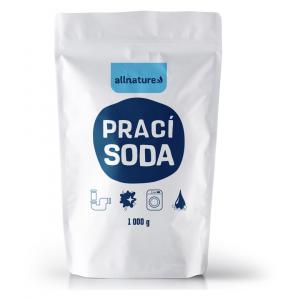
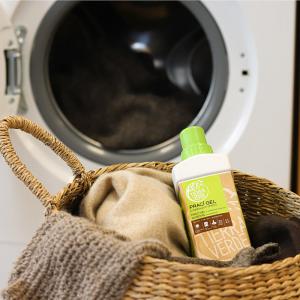

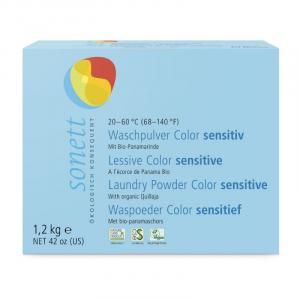
Preparation is the foundation of everything
The first and most crucial step is thoroughly washing or cleaning every item of clothing that you plan to store. This step sounds obvious, but is surprisingly often skipped. Many people put away items that "aren't dirty yet" – a sweater worn once, a jacket that was "just thrown on". The problem is that even invisible traces of sweat, skin oils or food stains provide an excellent breeding ground for bacteria and mould. Over several months of storage, microscopic traces become sources of odour that are then difficult to remove.
Just as important as washing is proper drying. Clothing must be absolutely dry before storing – even slight moisture that would easily evaporate under normal circumstances will transform into ideal conditions for mould growth in an enclosed space. Pay particular attention to thicker materials such as jeans, sweatshirts or padded jackets, where moisture persists longer than the surface might suggest. Let them dry longer than usual, and ideally air them outside before storing.
Another step that is worth not underestimating is checking each item of clothing for any stains. A stain that is barely visible when fresh can become a permanent part of the fabric after six months of storage. Go through the clothing carefully, remove any stains before storing, and only then proceed to the actual packing. If you have clothing made from natural materials – wool, cashmere, silk – also consider professional cleaning, which will protect the fabric better than washing at home.
Interestingly, research in the textile industry confirms what experienced housewives have always known: cleanliness before storage is the most important factor in keeping clothing fresh. According to information published on the The Spruce portal, which has long focused on home care, unwashed clothing is one of the most common causes of odour and garment damage during seasonal storage.

The right conditions and containers: where and how to store clothing
Once the clothing is clean, dry and checked, the time comes to choose a suitable location and method of storage. And this is precisely where most people make fundamental mistakes that undo all their efforts with washing and drying.
The most common mistake is using plastic bags or airtight pouches without thinking it through. While vacuum packing can be advantageous for some types of clothing in terms of saving space, sealing natural materials such as wool, cotton or silk in an airtight environment is rather problematic. Natural fibres need to breathe – without air circulation, moisture accumulates more easily and conditions for mould growth arise. A much better choice is breathable fabric bags or special textile covers that protect against dust while still allowing air to pass through.
For clothing made from synthetic fibres or for winter jackets with synthetic filling, vacuum bags work well – they save space and protect against insects. Always make sure, however, that the clothing is truly dry before sealing it in the bag.
The storage location should be dry, cool and dark. An attic where extreme temperatures prevail in summer, or a damp cellar, are the two worst options, even though they are the most common in Czech households. High temperatures accelerate fibre degradation and intensify odours, while moisture is a direct invitation for mould. Ideal locations include a bedroom wardrobe, a built-in dressing room or dry storage spaces with a constant temperature.
If you have no other option than a storage room or cellar, invest in a dehumidifier or at least silica gel sachets, which absorb excess moisture. Silica gel sachets are inexpensive, readily available and effective – place them directly in the boxes or bags with clothing and regularly replace or regenerate them by drying in the oven.
Choose boxes or containers for clothing made from rigid material rather than soft fabric if you are storing in spaces where moths or other insects may be present. Rigid plastic containers with lids are practical in this regard, but don't forget to add a breathable lining material or fabric inside so that the clothing is not in direct contact with the plastic.
How to deal with moths and unpleasant odour naturally? This is where a number of tried-and-tested natural helpers come into play. Lavender is a classic that has worked reliably for centuries – it not only repels moths but also leaves a gentle fragrance in stored clothing. Cedar wood is another popular choice that additionally absorbs moisture and naturally neutralises odours. Special cedar balls or sticks can be placed directly among the clothing, and their effectiveness can be renewed by lightly sanding them with sandpaper once they stop giving off their scent.
Activated charcoal is a lesser-known but very effective alternative – an excellent odour absorber that is particularly suitable where mustiness is a problem. Sachets with activated charcoal can be bought ready-made or easily prepared at home. Unlike scented sachets with perfume, activated charcoal actually absorbs odours rather than merely masking them.
Imagine a situation that many people know well: Mrs Jana stores her summer dresses in plastic bags in the cellar every autumn and retrieves them every spring with that unpleasant feeling that she'll have to wash them again. Yet it would take so little – swapping the plastic bags for fabric covers, adding cedar balls and moving the clothing from the cellar to a dry space under the bed. The result? The clothing smells fresh, is free of odour and ready to wear straight away.
Equally important is the frequency of checking stored clothing. There is no need to take it out every month, but once per season it is good to open the boxes, let the clothing air and check whether moisture stains or traces of insects have appeared. The sooner you spot a problem, the easier it is to resolve.
The way in which clothing is folded or hung also has a significant impact on keeping it fresh. Thicker knitted items – sweaters, cardigans – should not be hung on hangers, as they will deform under their own weight. It is better to fold them and store them on shelves or in drawers. Conversely, formal suits, coats or dresses are best kept hanging in fabric covers that protect them from dust while preserving their shape.
The choice of material of the clothing itself also plays an interesting role. Natural fibres such as merino wool or bamboo have naturally antibacterial properties and are less prone to odour even during longer storage. Synthetic materials such as polyester, on the other hand, retain odours more readily and require more careful preparation before storing. As noted by the Textile Exchange organisation, which monitors sustainability in the fashion industry, choosing natural materials has a positive impact not only on the environment but also on the longevity and quality of clothing itself.
"Caring for clothing is caring for an investment," as people in sustainable fashion communities say, where more and more people are returning to the principle of less but better. And this philosophy applies doubly to seasonal storage – if we care for our clothing properly, it serves us longer, looks better, and each new wearing is a pleasant experience rather than a battle with mustiness.
Proper seasonal clothing storage without odour is therefore no great science, but it does require a little systematic thinking and a willingness to devote time to it at the beginning and end of each season. Clean, dry clothing stored in breathable covers, in a dry location, with the help of natural odour absorbers – this is a recipe that works reliably regardless of whether you have a spacious dressing room or just one small wardrobe. And when you pull out your favourite sweater next year and catch the scent of cedar instead of mustiness, you'll be glad you paid attention to it.