

Try a simple trick for shiny windows without streaks
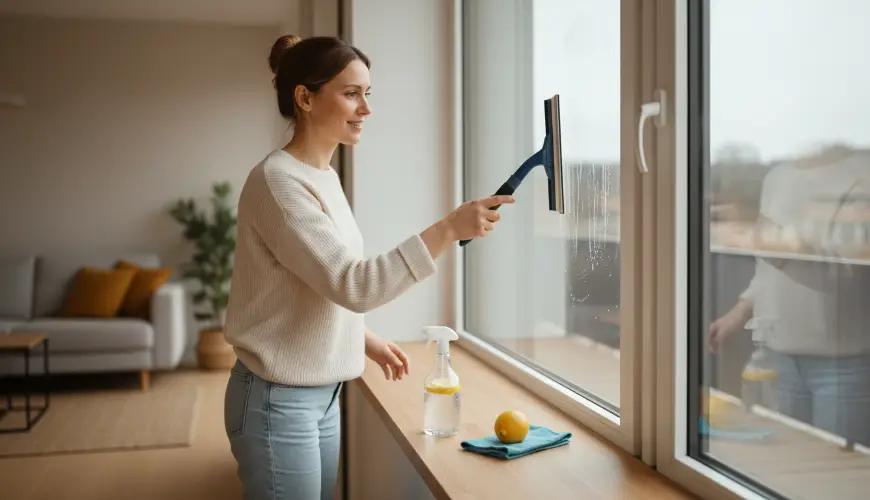
Clean, crystal-clear windows can transform an entire interior. Light penetrates better, the room feels more airy, and the whole home gains a sense of freshness. And yet, washing windows is one of those household chores that most people put off as long as possible – precisely because the results are often frustrating. Smears, streaks, a dull film that seems even worse than before cleaning. However, there is a simple trick for shiny, streak-free windows that works reliably and requires neither expensive products nor a great deal of time.
But before we get to the solution itself, it's worth understanding why windows streak in the first place. Without this basic understanding, we will keep repeating the same mistakes and achieving the same disappointing results.
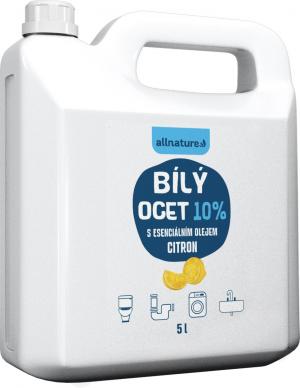
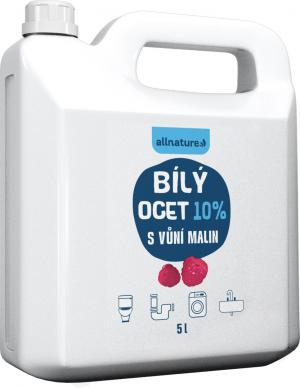
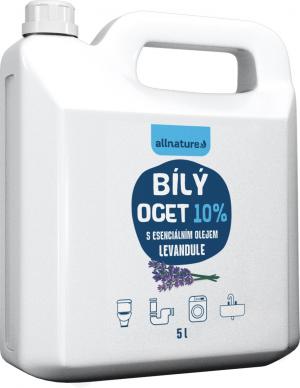
Try our natural products
Why Do Windows Streak? The Cause Is Almost Always the Same
The most common culprit behind streaky windows is not a poor cleaning product or insufficient effort. It is the way we wipe the windows. Most people reach for a paper towel or an old cloth, add a bit of washing-up liquid or a commercial cleaner, and start vigorously wiping back and forth across the glass. The result is inevitably streaks – either from the fibres of the cloth or from the uneven distribution of the cleaning product across the glass surface.
Another factor is the composition of the water. Hard water, which flows from taps in most Czech households, contains elevated levels of calcium and magnesium. These minerals leave white deposits on the glass after drying, which then show up in the light as streaks or a dull coating. This problem is particularly noticeable in summer, when windows dry quickly and the minerals don't have time to disperse evenly.
Add to this dust, greasy vapours from the kitchen, fingerprints, or residues from old cleaning products that build up on the glass over time – and we have a complete recipe for permanently dirty windows, regardless of how often we clean them.
Interestingly, many commercial cleaning products make the situation even worse. They contain various additives, polishes, and fragrances that may smell pleasant but leave a thin chemical film on the glass. This film then acts as a magnet for dust, and the whole cycle repeats itself.
The Trick That Actually Works: Less Is More
The foundation of clean, streak-free windows is a surprisingly simple combination: the right product, the right tool, and the right technique. None of these three elements can be omitted – only together do they form a system that truly works.
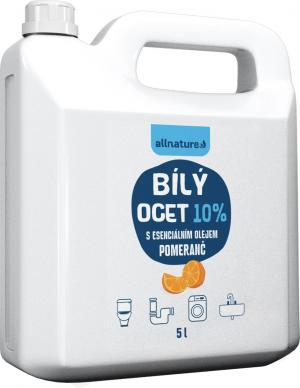
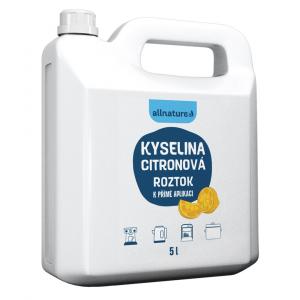
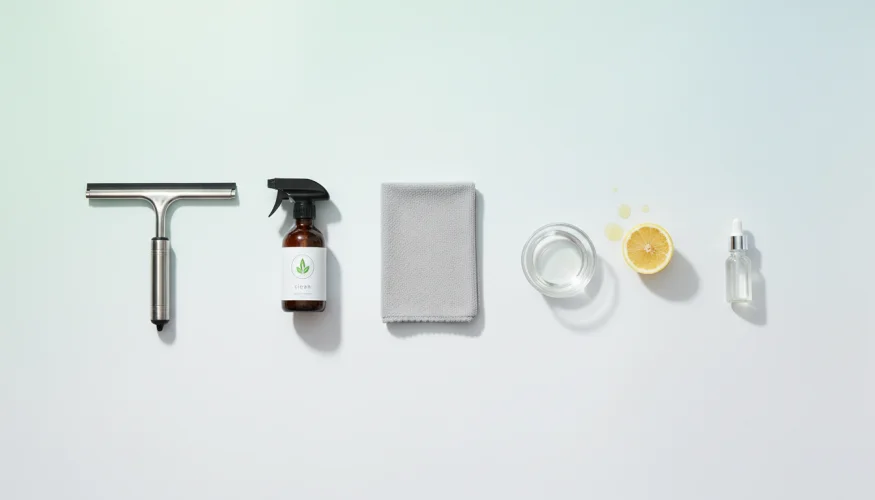
In terms of the product, the best option is a mixture of water and white vinegar in a ratio of approximately 1:1, optionally with the addition of a few drops of pure alcohol or vodka, which helps the surface dry faster. Vinegar is naturally acidic, so it effectively dissolves mineral deposits from hard water, greasy films, and residues from previous cleaning products. It is also safe, eco-friendly, and inexpensive. Lemon juice works similarly, and has the added benefit of a more pleasant scent and antibacterial properties that leave the glass hygienically clean. For those looking for a ready-made solution without mixing, there are also eco-friendly glass cleaning products without harsh chemicals available on the market – you can find these, for example, in the range at Ferwer.cz, which focuses specifically on gentle household products.
The key tool, without which none of this will work, is a window squeegee – ideally with a rubber edge, like the ones used by professional window cleaners. This simple tool is an absolute essential, yet very few people have one at home. Unlike a cloth, a squeegee leaves no fibres and doesn't smear water into streaks – it simply wipes it away in one stroke, leaving the glass dry and clean.
If you don't have a squeegee, the next best option is a microfibre cloth – but it must be clean and dry. Microfibre is capable of capturing dirt at the level of microscopic particles and, unlike cotton cloths, leaves no fibres or streaks. However, the microfibre cloth must be reserved exclusively for glass – if you've previously used it to wipe down the kitchen hob or furniture, it will be contaminated with greasy residue and the results will reflect that.
The technique itself looks like this: first, dampen the glass with the cleaning solution, let it sit for a moment – especially if there are heavy deposits on the glass – and then wipe it off with the squeegee in one smooth motion from top to bottom, or in overlapping horizontal strokes. After each stroke, wipe the squeegee with a dry cloth to prevent it from transferring dirt back onto the glass. Finish off the edges and corners with a dry microfibre cloth.
One practical example: Jana from Brno spent years puzzling over why her windows still looked dusty and dull even after cleaning. She tried various brands of cleaning sprays, paper towels, and even newspaper (a classic folk tip that, incidentally, only works to a limited extent and can leave ink residue). It wasn't until she switched to a squeegee and a vinegar-and-water solution that she understood what the problem had been. "It was like opening a window for the first time," she described it in her own aptly fitting way.
Timing and Conditions: When to Clean Windows and When to Hold Off
Even the best method can fail if you choose the wrong time. One of the most common mistakes is washing windows in direct sunlight. This sounds paradoxical – after all, sunlight helps us see what we're doing – but that's precisely the problem. Direct sunlight causes the cleaning solution to dry too quickly, before we have time to wipe the glass thoroughly. The result is, once again, streaks – this time from the rapidly dried solution.
The ideal time to wash windows is in the morning or evening, or on an overcast day, when the glass dries more slowly and evenly. The temperature should not be too low – below freezing, the risk is not just streaks but also cracking of the glass upon contact with cold water.
Another factor that is often overlooked is the condition of the frames and sills. If they are dusty or dirty, the dirt will get onto the glass during cleaning and the result will be worse. It therefore makes sense to wipe down the frames and sills first, and only then attend to the glass itself.
It is also worth mentioning the frequency of cleaning. Paradoxically, the more regularly we clean windows, the less effort it requires. Windows that are cleaned once a year have heavy deposits that require longer exposure to the cleaning product and more effort. Windows cleaned every two to three months stay clean with almost no effort – a light wipe is enough to make them look like new.
As noted by the British organisation Which?, which conducts consumer testing, one of the most common mistakes in household cleaning is using too much cleaning product – less product does not mean a worse result, but rather fewer streaks and less work.
An Eco-Friendly Approach: Clean Windows and a Clear Conscience
At a time when more and more people are thinking about the impact of everyday decisions on the environment, it is worth noting that the most effective methods of washing windows are also the most eco-friendly ones. Vinegar, lemon juice, or special eco-friendly cleaning tablets that dissolve in water are comparably effective to commercial sprays – and yet contain no synthetic fragrances, phosphates, or other substances that burden aquatic ecosystems.
Microfibre cloths are another example of an eco-friendly approach that also pays off in practical terms. One quality microfibre cloth will last hundreds of washes and replace kilograms of paper towels. When washing them, however, it is important to use lower temperatures and avoid fabric softener, which clogs the fibres and reduces their absorbency.
For those who want to go even further, there are also special nano-protective coatings for glass that create a hydrophobic surface – water and dirt simply run off it and the glass cleans itself. These products are particularly popular for exterior windows and car windscreens, but they also work on interior windows. After applying such a coating, the frequency of necessary cleaning is significantly reduced.
Clean windows are not merely an aesthetic matter. The natural light that penetrates through them into the interior has a demonstrable effect on the wellbeing and mood of the home's occupants. According to research in the field of environmental psychology, referenced for example by the American Lighting Research Center, natural daylight improves concentration, reduces fatigue, and positively influences sleep patterns. Dusty or greasy windows can let in up to a third less light than clean ones – and that is a difference we will genuinely feel in our daily lives.
So next time, before you reach for a paper towel and the first spray you find under the sink, try a different approach. A squeegee, a vinegar-and-water solution, the right timing – and windows that are truly crystal clear. No magic, no expensive products. Just a little understanding of why streaks form, and a willingness to change an ingrained habit. The results speak for themselves.