

# Dietary Supplements That Make Sense and How to Take Them Correctly

Pharmacy shelves, health food e-shops and social media are today literally flooded with all kinds of dietary supplements. Multivitamins, probiotics, omega-3 fatty acids, adaptogens, collagen, magnesium – the list is almost endless and navigating it without specialist knowledge is far from simple. Yet the question of which dietary supplements are truly worthwhile and how to take them correctly is absolutely crucial. A poor choice can not only be a pointless investment, but in extreme cases can also pose a health risk.
Every year, Czechs spend billions of crowns on dietary supplements. Yet research repeatedly shows that a large proportion of these products deliver no demonstrable benefit – at least not to those who don't need them. The problem is that marketing in this sector is exceptionally powerful and promises results that science has yet to support. This does not mean, however, that dietary supplements are generally useless. On the contrary – in specific situations they can be absolutely essential. It's simply a matter of knowing when and for whom.
Try our natural products

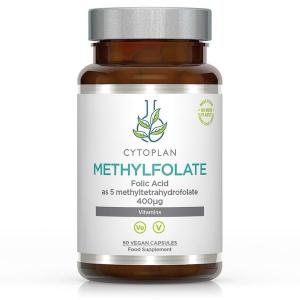


When dietary supplements actually make sense
The basic principle is simple: a dietary supplement should supplement what is lacking in the diet – not replace a varied and balanced diet as such. If someone eats a diverse diet with plenty of vegetables, fruit, legumes, wholegrains, quality protein and healthy fats, their body is probably getting most of what it needs. In that case, adding more tablets and capsules will bring no benefit.
The situation changes, however, as soon as specific circumstances come into play. Pregnancy is one of the clearest examples: folic acid is absolutely essential for the proper development of the foetal neural tube, and ensuring an adequate intake from food alone is practically impossible, which is why gynaecologists recommend it to all women planning a pregnancy and in its early weeks. The same applies to iron, which pregnant women very often lack. Here, dietary supplements are not a fashionable trend – they are a medically substantiated necessity.
Another example is veganism or a strictly plant-based diet. Vitamin B12 is found naturally almost exclusively in animal products, and people who exclude these from their diet will practically inevitably suffer from a deficiency. Long-term B12 deficiency can cause serious neurological disorders and anaemia. Supplementing with B12 is therefore a genuine necessity for vegans, not an optional extra. It is equally important to monitor intake of vitamin D, omega-3 fatty acids from marine algae (as an alternative to fish oil) and iodine.
Age is another factor that cannot be ignored. Older people generally have a reduced ability to absorb certain nutrients from food – typically vitamin B12, calcium and vitamin D. Their need for supplementation is therefore greater than that of young, healthy individuals. Similarly, athletes under high physical strain may need more magnesium, zinc or protein than they are able to obtain through a normal diet.
Geographical location also plays a role. The Czech Republic lies at a latitude where the sun does not shine intensely enough during the winter months for the skin to synthesise the required amount of vitamin D. According to estimates, a large proportion of the Central European population suffers from vitamin D deficiency in winter, which manifests as fatigue, reduced immunity and low mood. In this case, supplementing with vitamin D from October to March is an entirely reasonable choice – and many doctors now recommend it as a general measure.
Which supplements have scientifically supported effects
Not every dietary supplement is equally well researched. While for some substances there are dozens of high-quality clinical studies confirming their efficacy, others are supported by only weak or even no evidence at all. So how does one make sense of it all?
Vitamin D is among the best-documented dietary supplements. Its role in regulating the immune system, bone health, muscle function and mental wellbeing is solidly supported by science. The World Health Organization and national health institutions around the world recognise supplementation as justified in at-risk groups. The recommended daily dose for adults is generally between 1,000 and 2,000 IU, with the precise dosage ideally based on a blood test.
Omega-3 fatty acids (EPA and DHA) are another example of a supplement with compelling evidence behind it. Their beneficial effects on cardiovascular health, reduction of inflammation and support of brain function have been confirmed by extensive studies. The ideal source is oily sea fish, but for those who do not eat it regularly – or at all – supplementing with fish oil or algae oil is a sensible choice.
Magnesium is a mineral whose deficiency is surprisingly common in modern populations. Industrially processed foods contain very little of it, yet magnesium is involved in more than 300 enzymatic reactions in the body. Fatigue, muscle cramps, sleep difficulties or irritability can all be signs of a deficiency. Supplementing with magnesium – ideally in the form of magnesium glycinate or citrate, which are better absorbed than magnesium oxide – can bring noticeable relief in such cases.
Caution is warranted, on the other hand, with products promising rapid weight loss, dramatic energy boosts or miraculous detoxification of the body. As British epidemiologist and author of Bad Science Ben Goldacre aptly put it: "If any dietary supplement truly worked as its advertising promises, it would be a medicine." These words are worth reflecting on, especially when reaching for products with bombastic marketing claims.
Probiotics are an interesting chapter in their own right. Research into the gut microbiome is one of the fastest-growing fields in medicine, and evidence of the influence of gut bacteria on immunity, mood and overall health is accumulating. Yet the situation is more complex than yoghurt drink manufacturers would have us believe. The efficacy of probiotics is highly specific – it depends on the particular bacterial strain, the dose and the individual's health status. General probiotics from a pharmacy may not be equally beneficial for everyone, whereas targeted supplementation following antibiotic treatment or for specific digestive complaints has solid scientific backing.

How to take dietary supplements correctly
Having the right dietary supplement is not enough – knowing how and when to take it is equally important. Many people buy products with good intentions but then take them incorrectly, at the wrong time, or in combinations that reduce their effectiveness.
Fat-soluble vitamins – A, D, E and K – must always be taken with a meal containing fat, as this is the only way they can be properly absorbed. Water-soluble vitamin C and B vitamins, by contrast, can be taken at virtually any time, even on an empty stomach, although more sensitive individuals may experience nausea when their stomach is empty.
Iron is best absorbed on an empty stomach or alongside vitamin C, which significantly enhances its absorption. Calcium, on the other hand, blocks iron absorption, so these two minerals should not be taken at the same time. There are many such interactions, and ignoring them means wasting both money and effort.
The timing of a dose also matters. Magnesium is ideally taken in the evening, as it supports relaxation and sleep quality. Vitamin D, by contrast, is better taken in the morning or late morning so as not to disrupt the body's natural circadian rhythm. Probiotics are generally recommended with food or just before eating, so that the bacteria survive passage through the acidic environment of the stomach.
Take Markéta, a thirty-year-old office worker who in February began complaining of chronic fatigue, frequent colds and poor sleep. After speaking with her doctor, she had blood tests done, which revealed low vitamin D levels and a mild magnesium deficiency. She began taking vitamin D3 (2,000 IU daily with lunch) and magnesium glycinate in the evening before bed. After just four weeks, she reported a significant improvement in her energy levels and sleep quality. The key was neither chance nor a placebo effect – it was a targeted approach based on a specific deficiency, not the blind purchasing of supplements based on advertising.
This example illustrates an important recommendation: before starting supplementation, it is always advisable to establish the actual levels of nutrients in the body through a blood test. A doctor or nutritional therapist can, based on the results, recommend specific substances, doses and timing – and thereby significantly increase the likelihood that supplementation will actually deliver the desired outcome.
It is also important not to underestimate the quality of the products themselves. There is an enormous difference in the market between cheap supplements with questionable bioavailability and quality products with certified composition and tested purity. When choosing dietary supplements, it pays to look for products with third-party certification (such as GMP certification or independent laboratory testing), to pay attention to the form of the substance (chelated forms of minerals, for example, are generally better absorbed than inorganic oxides), and to avoid products with an excess of fillers, colourings and artificial additives.
No diet or lifestyle can be bypassed or shortcut by any pill – this remains true even in an age when pharmacy shelves are full of enticing packaging. Dietary supplements are exactly what their name suggests: a supplement, not a foundation. But for those who know what they are lacking and reach for the right product at the right time and in the right form, they can be a genuine contribution to health and wellbeing.