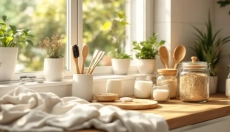

A clean home can be achieved without unnecessary chemicals, just a few simple habits are enough.

Home can be both a safe haven and a source of small daily worries. Just a few days of hustle, a visit, a pet, or a seasonal cold in the family can make one feel like cleaning is never-ending. At that moment, there's often the temptation to "go all out" with strong products that promise shine and sterile cleanliness in minutes. However, a clean home doesn't have to mean a home filled with aggressive fragrances and bottles with warning symbols. More and more people are searching for how to have a clean home naturally and sustainably, without unnecessary chemicals and without the feeling that after cleaning, it's necessary to air out because of fumes.
A more natural approach isn't just a trend. It's a practical choice that impacts what we breathe, what remains on surfaces where children play, and what flows into the sewage. And above all: when a few simple habits are set, tips for a clean and healthy home naturally aren't complicated at all. On the contrary – they often lead to fewer products, less strain on the wallet, and surprisingly more peace of mind because one knows exactly what is being used at home.
Try our natural products
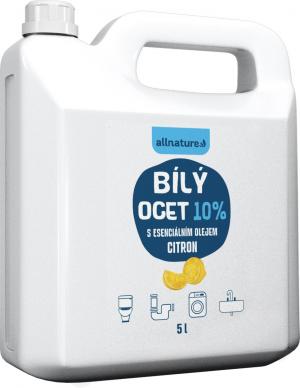
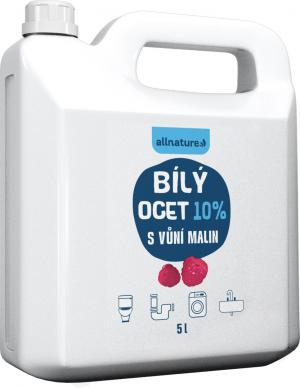
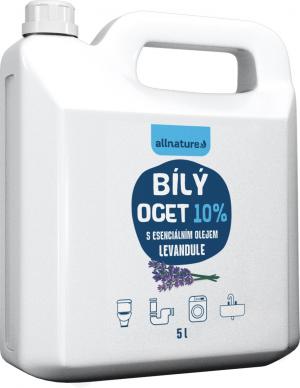
Why it's good to keep a clean home naturally
There are more reasons than just "ecology". Many common cleaners contain mixtures of perfumes, preservatives, and various active ingredients that can irritate the skin or respiratory tract of more sensitive individuals. It doesn't mean you have to be afraid of everything, but it's wise to think about what is used daily and unnecessarily. When cleaning is based on simple ingredients and gentle products, it's easier to ensure that a "cocktail" of scents and substances that mix with each other doesn't form at home.
Equally important is the footprint that cleaning leaves outside the apartment. What gets flushed down the drain eventually needs to be cleaned somehow. That's why it makes sense to choose products that are biodegradable and gentle on aquatic ecosystems. It's good to rely on verified information – for example, the European Environment Agency (EEA) has long warned of the importance of reducing water pollution and chemical burdens in the environment. And for those who want certainty with products, they can look to independent eco-labels; a review and principles are described, for example, by EU Ecolabel.
Natural cleaning often leads to one surprising change: instead of chasing the "perfect scent of cleanliness," the home begins to be perceived as a space that is clean functionally – free of grease, dust, and build-ups – and yet pleasant to live in. As one popular minimalist paraphrase puts it: "Cleanliness isn't about what you add, but what you remove."
7 natural tips for a clean home without unnecessary chemicals
It's not about throwing everything out and starting from scratch. A gradual change works much better. Here are seven natural tips for a clean home that can be implemented without major experiments and without complicated label studying.
1) Start with the most important thing: fewer items, less dust
Dust doesn't just settle on the floor and shelves; it mainly settles on items. Decorations, piles of papers, open shelves crowded with trinkets – all these act as dust traps and simultaneously slow down cleaning. When the space is simplified, it's easier to maintain a clean home naturally and sustainably even without strong agents because dust and dirt simply have nowhere to "settle."
A real-life example is almost the same everywhere: a household where dust is wiped "over and over" every week, but it keeps coming back. Often a single change helps – moving some decorations into a box and leaving only what truly brings joy. Suddenly, wiping takes minutes, not half an hour, and the home feels lighter. Additionally, the need for perfumed sprays is reduced because dust is a common carrier of odors.
2) Microfiber and water: a simple pair that can do more than expected
It might sound too ordinary, but this is often where the magic happens. A quality microfiber cloth can capture dirt without aggressive substances thanks to its fine fibers. For ordinary fingerprints on furniture, dust on window sills, or quick countertop wipe-downs, warm water and a good cloth are often enough. Tips for a clean healthy home naturally aren't always about "miracle ingredients" – sometimes it's just about using the right tool.
It's important to regularly wash the cloths without unnecessary fragrances and softeners so they absorb well and don't leave streaks. When combined with ventilation and regular vacuuming (ideally with a quality filter), the household stays clean with minimal products.
3) Vinegar as an assistant for limescale, but with respect for surfaces
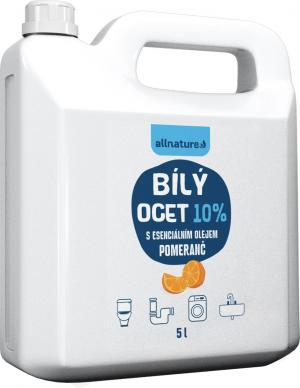
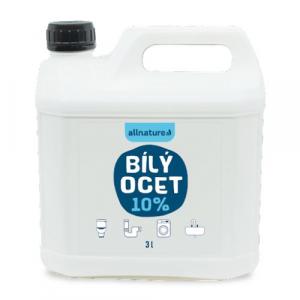
Vinegar is one of the most well-known natural helpers. It works great with limescale in the bathroom and kitchen, suitable for faucets, shower stalls, or kettles. When diluted with water in a spray bottle, it creates a simple agent for places where minerals deposit.
However, there's an important note: vinegar isn't universal for everything. It shouldn't be used on natural stones like marble or travertine because the acid can etch the surface. When following the rule "vinegar for limescale and glass, not for stone," it's a reliable step towards how to have a clean home naturally without overdoing it.
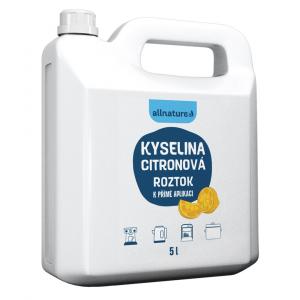
And if someone dislikes the typical smell, airing out or choosing a gentle ready-made product with citric acid, which is usually more pleasant for the nose, can help.
4) Baking soda: gentle on odors and for light scrubbing
Baking soda is the silent hero of the household. It can absorb odors (like in the fridge or shoe cabinet), and when made into a paste with a bit of water, it serves as a gentle abrasive helper for burnt-on residues or worn grout. It's practical, especially where one doesn't want to use strong degreasers.
It works in everyday scenarios too: in the kitchen, a stain sometimes appears on the sink, in the bathroom a streak on the basin. Soda helps without needing to reach for a product with intense fragrance. And when combined with a good rinse and dry polishing, the result is a clean surface without unnecessary residues.
5) Citric acid: a reliable partner against build-up in the bathroom and washing machine
When it comes to natural cleaning, vinegar is often mentioned, but citric acid deserves equal attention. It's effective on limescale and deposits and is also favored for its "cleaner" scent. It's suitable for shower heads, faucets, tiles, and for maintaining appliances – like regular descaling of a kettle or dishwasher (according to the manufacturer's recommendations).
A practical tip from real life: in households with hard water, it's common for the washing machine to start "smelling" musty and the laundry isn't as fresh as expected. Sometimes a simple maintenance routine helps – cleaning the detergent drawer, gasket, and occasionally running an empty cycle at a higher temperature with a suitable citric acid-based descaler. The result isn't just better-smelling laundry, but also the feeling that the appliance is working properly, free of build-ups and unnecessary residues.
6) Soap and gentle surfactants: cleanliness without aggressiveness (and with less plastic)
Natural cleaning isn't just about homemade ingredients. Ready-made products with thoughtful compositions that are biodegradable, without unnecessary dyes, and with reasonable fragrances also make a lot of sense. It's worth checking if the products are suitable for sensitive skin, if they have an eco-label, and if they can be bought in larger packages or as refills – this is a simple step towards sustainability.
In practice, this means, for example, replacing several different "specialties" with one quality dishwashing product and one universal surface cleaner. Fewer bottles in the bathroom and kitchen mean less chaos and an easier routine. And routine is often what determines whether the home feels tidy long-term or if cleaning accumulates into exhausting weekend marathons.
7) The scent of cleanliness isn't a perfume: ventilation, textiles, and prevention
One of the biggest changes that natural cleaning brings is a shift in what's considered the "scent of cleanliness." Instead of intense air fresheners, simple ventilation, regularly washed textiles, and moisture prevention work. Curtains, pillows, kitchen towels, bathroom mats – textiles hold odors and dust more than it seems. When washed more frequently (and allowed to dry thoroughly), the home feels fresh without sprays.
Prevention is key here: after showering, wipe water from glass and tiles, don't leave wet towels in a heap, occasionally ventilate even in winter briefly and intensely. These are small things, but they're what determine whether mold settles in the bathroom and whether there's a need to reach for the "heavy artillery." And if there's a dryer at home, a well-maintained filter and regular cleaning of the appliance do more than any perfume.
How to set up natural cleaning so it lasts (and doesn't take up weekends)
When "sustainable" is mentioned, it often refers to materials and waste. But with cleaning, sustainability is also about making it manageable in the long run. Otherwise, it's easy to slip back into quick fixes. A simple rule proves effective: better short and often than long and infrequent. Ten minutes a day does more than three hours every fortnight because dirt doesn't have time to create layers.
It also helps to distinguish where it's really worth "disinfecting" and where regular cleaning suffices. Most homes benefit the most from thorough hygiene in the kitchen (cutting boards, sink, sponges, and cloths) and in the bathroom (toilet, sink). In contrast, for many other surfaces, excessive disinfection is unnecessary – and sometimes even counterproductive, as it creates the impression that it can't be done without strong agents. Often it can, you just need to remove grease and dust, not "chemically overpower" everything around.
And what if allergies or sensitivities are a concern at home? All the more reason to choose gentle products and focus on dust, textiles, and ventilation. For those seeking verified information, recommendations on indoor environments and ventilation can be found in materials published by the World Health Organization (WHO) regarding air quality and healthy living.
If you need to start very simply, just remember a single small "starter" list that doesn't overwhelm the home or the mind: a universal gentle cleaner, dishwashing product, citric acid or vinegar for limescale, baking soda, and a few quality cloths and a grout brush. This is the foundation with which most situations can be handled without turning the home into a chemical storage.
In the end, it's a surprisingly simple matter: a clean home isn't one that "smells like a store," but one where it's easy to breathe, sleep well, and where a child can be laid on the floor or dinner cooked without sticky residues on the counter. Once cleaning is based on a few reliable habits and natural, gentle products, it starts to make sense in the long term – for health, for the wallet, and for the feeling that the household functions without unnecessary burdens.