

Roasted pumpkin seeds five ways
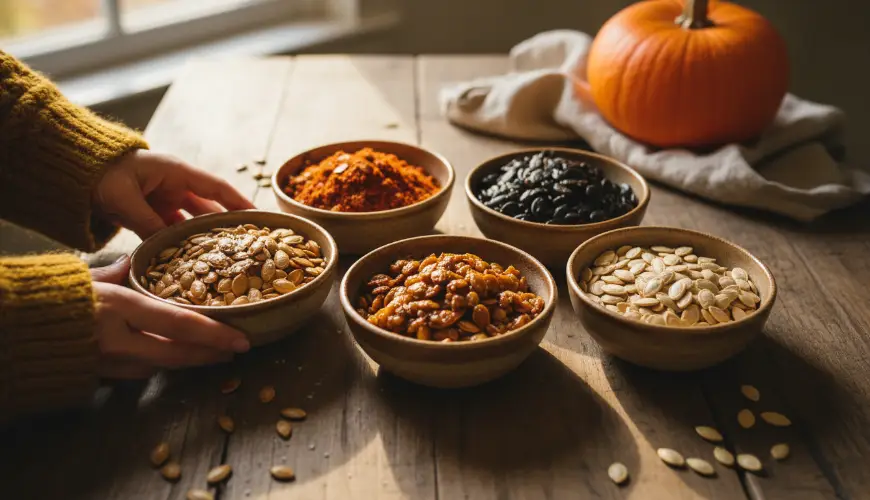
Autumn brings to the kitchen not only the scent of cinnamon and stewed fruit, but also one of the most underrated treasures of the season – pumpkin seeds. Every year, millions of people scoop out a pumpkin, toss the seeds away without a second thought, and miss out on an ingredient that could enrich their diet for weeks. Yet properly prepared roasted pumpkin seeds are among the most delicious and nutritious snacks you can make at home from what would otherwise end up in the compost.
It's no wonder that pumpkin seeds – technically known as pepitas – hold a firm place in many world cuisines. Mexican cuisine uses them in mole sauces, Mediterranean tradition adds them to baked goods, and in recent years they've been building their popularity in modern European gastronomy as well. Their flavour changes dramatically depending on how they're prepared – and that's exactly where things get interesting.
Try our natural products
Why it's worth roasting seeds rather than just drying them
Raw pumpkin seeds are certainly a wholesome food, but their flavour is fairly neutral, sometimes even grassy. Roasting releases the natural oils hidden within the seeds, creating complex, nutty aromas and a crunchy texture that transforms an ordinary snack into a genuine experience. Heat treatment also slightly reduces the content of phytic acid, which otherwise limits the absorption of certain minerals – making the seeds more nutritious than they might appear.
Pumpkin seeds are naturally rich in magnesium, zinc, healthy unsaturated fatty acids, and plant-based protein. According to data from the USDA National Nutrient Database, 100 grams of roasted pumpkin seeds contain approximately 19 grams of protein and nearly 9 milligrams of zinc, covering the majority of the recommended daily intake of this mineral for an adult. Zinc plays a key role in the immune system, wound healing, and proper hormonal function – which is precisely why pumpkin seeds are so valued not only in the kitchen but also in nutritional counselling.
Take the example of thirty-year-old Markéta from Brno, who buys a Hokkaido pumpkin every year for soup. She used to throw the seeds away until a friend convinced her to try baking them in the oven with a splash of soy sauce. The result surprised her so much that she now buys pumpkins specifically for their seeds and experiments with various seasonings. This kind of approach – simple, practical, and waste-free – makes sense for anyone who wants to eat better without complicated recipes.
So how do you prepare the seeds properly? It depends on what you're looking for – whether you want a quick snack, a salad topping, or perhaps an original ingredient for Christmas baking.
Five preparation methods worth trying
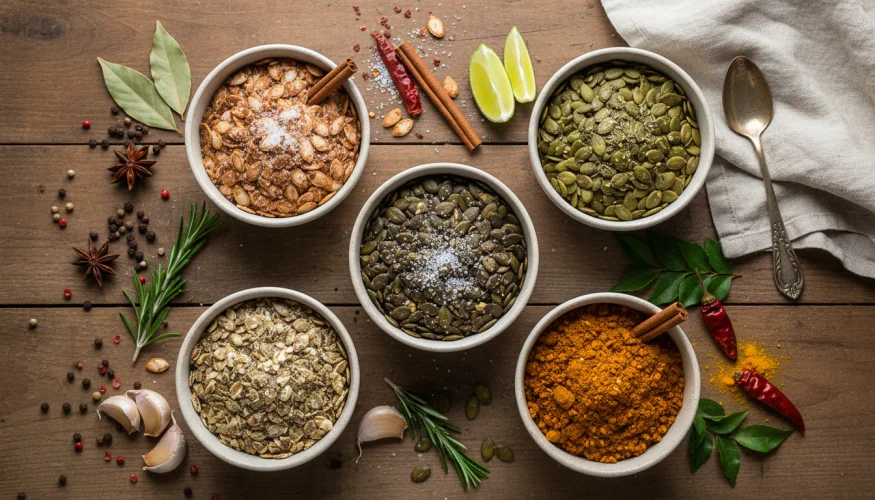
The first and most classic method is oven-roasting with olive oil and salt. The seeds are first rinsed free of pumpkin flesh, dried, then tossed with a teaspoon of quality olive oil and a pinch of sea salt. They're spread on a baking sheet lined with parchment paper and roasted at approximately 160–170 °C for about 15 to 20 minutes, stirring once or twice along the way. The result is golden, crunchy seeds with a clean, nutty flavour that work well as a snack on their own or as a topping for soups and salads. This method is ideal for those just starting out with home roasting who want to taste the natural flavour of the seeds without competing flavours.
The second method delivers a more intense experience through spices – specifically a combination of sweet paprika, garlic powder, and a pinch of cayenne pepper. The seeds are prepared the same way as in the first method, but before baking they're coated in this spice blend mixed with a little oil. The result is bold, mildly spicy, and pairs well with beer snacks, cheese boards, or as an alternative to crisps. This variation is particularly popular with those who enjoy experimenting with flavours and are looking for a healthier substitute for industrially processed salty snacks.
The third approach will surprise those with a sweet tooth – caramelised pumpkin seeds with honey and cinnamon prove that a healthy snack doesn't have to be savoury. The seeds are mixed with a teaspoon of honey or maple syrup, a pinch of cinnamon, and a little vanilla, then baked at a lower temperature (approximately 150 °C) for about 20 minutes. They need to be watched carefully, as honey burns quickly. Once cooled, the seeds form a lightly crunchy, caramelised coating and are wonderful as a topping for porridge, yoghurt, or as part of homemade granola. This is exactly the kind of recipe that illustrates the old culinary wisdom: "The simplest ingredients, the deepest flavour."
The fourth method draws on Asian cuisine and works with soy sauce and sesame oil. The seeds are marinated for about 10 minutes in a mixture of soy sauce, a drop of sesame oil, and optionally some grated ginger, then baked at 160 °C until golden. The resulting flavour is deep, umami, with a subtle hint of saltiness. This variation works beautifully as a topping for Asian-inspired salads, noodle bowls, or as part of a Buddha bowl. For those monitoring their sodium intake, the soy sauce can be replaced with tamari in a smaller quantity or a reduced-sodium version used instead.
The fifth method may be the most practical of all – dry-roasting in a pan without any fat. The seeds are poured into a dry, heavy-bottomed pan and roasted over medium heat, stirring constantly, for approximately 5 to 8 minutes, until they begin to pop slightly and turn golden. This method is the quickest and preserves the maximum amount of natural oils within the seeds. The result is slightly less crunchy than oven-roasted versions, but the flavour is intense and clean. Seeds prepared this way are ideal for immediate consumption or as a quick topping on freshly cooked food.
Storage, tips, and what else to do with them
Regardless of which preparation method you choose, a few general rules apply to ensure the best results. Seeds should always be thoroughly dried before roasting – moisture causes them to steam rather than roast, and the result then lacks the desired crunchiness. It's recommended to spread them on kitchen paper and leave them to dry for at least an hour, ideally overnight.
Roasting temperature is another key factor. Too high a temperature will cause the seeds to burn on the surface while remaining raw inside. Lower temperatures around 150–170 °C are therefore a safer choice, even if the process takes a little longer. Patience pays off in this case – the seeds should be evenly golden, not brown or dark.
As for storage, roasted pumpkin seeds will keep in a sealed glass jar or airtight bag at room temperature for approximately two to four weeks. In the refrigerator, the storage period can be extended to two months. Because seeds contain a large amount of unsaturated fats, it's important to protect them from light and heat, which could cause them to go rancid. Eco-friendly solutions include glass jars with screw-top lids or reusable bags – minimising plastic waste in the kitchen is, after all, a trend that makes sense both for your wallet and for the planet.
If you want to roast seeds regularly but don't have a pumpkin at home, there's no need to wait for autumn. Both unshelled and shelled pumpkin seeds are available year-round in health food shops or eco-focused online stores. When choosing, it's advisable to opt for organic quality, which guarantees that the seeds have not been treated with pesticides – particularly because pumpkin seeds are consumed whole, without further shelling.
Pumpkin seeds can also be incorporated into cooking in many other ways. Ground, they make an excellent gluten-free alternative to breadcrumbs for coating meat or vegetables; whole, they work well in homemade muesli, bread dough, or energy balls made from dates and nuts. Their versatility is one of the reasons so many people fall in love with them – once you try them, you keep finding new ways to use them.
It's remarkable how a small change in habit – stopping yourself from throwing away pumpkin seeds and roasting them instead – can influence not only the flavour of your food but your overall approach to cooking. These small decisions, which seem insignificant, together form a lifestyle that is more sustainable, more nutritious, and naturally in tune with what nature offers in each season. And roasted pumpkin seeds are exactly that kind of beginning – simple, delicious, and easily accessible.