

# What Causes Hair Loss After Stress or Childbirth and What to Do About It ## What Is It? This typ

Are you losing more hair than usual? Are you finding it on your pillow, in the shower drain, or all around your home? You're not alone. Hair loss due to stress or after childbirth is one of the most common reasons people seek help from a dermatologist or trichologist. Although this phenomenon can be alarming, in most cases it is temporary and treatable – if you understand what is actually happening in your body.
Hair is not merely an aesthetic accessory. For many people, it is part of their identity, self-confidence, and the way they present themselves to the world. Its sudden or gradual loss can therefore have a deeper psychological impact than might initially appear. And paradoxically – the more a person worries about hair loss, the worse the problem itself can become, because stress and hair loss form a vicious cycle that is difficult to escape without the right information.
Try our natural products

What happens in the hair follicle during stress
To understand why stress causes hair loss, it is necessary to pause for a moment on the biology. Every hair goes through three phases of growth: anagen (growth phase), catagen (transition phase), and telogen (resting phase, after which the hair falls out). Under normal circumstances, most hairs are in the anagen phase and only a small percentage rest in the telogen phase.
Under severe or prolonged stress, what experts call telogen effluvium occurs – a sudden shift of a large number of hair follicles from the growth phase to the resting phase. The result is that two to four months after the stressful event, hair begins to fall out in unusual quantities. This time lag is often confusing for many people: the stress or trauma occurred long ago, but the hair is only starting to fall out now. The body reacts with a delay, and it is precisely for this reason that people sometimes fail to connect cause and effect.
Almost any form of severe stress can trigger telogen effluvium – whether it is the sudden loss of a loved one, divorce, burnout, prolonged anxiety, or a serious illness. Research published in the scientific journal Nature showed that the stress hormone cortisol directly influences the behaviour of hair follicle stem cells and can put them into long-term suppression. This is scientific confirmation of what many people have intuitively suspected: stress literally stops hair growth.
It is also important to distinguish between short-term and chronic stress. A single stressful event will generally cause temporary hair loss that resolves on its own once the body stabilises again. Chronic stress lasting months or years can lead to recurring waves of hair loss and, in extreme cases, to more permanent changes in hair density. This is precisely why caring for mental health is an inseparable part of caring for hair health.
Hair loss after childbirth: a hormonal storm with visible consequences
Childbirth is one of the greatest physiological challenges the female body can face. And hair loss after childbirth – medically referred to as postpartum telogen effluvium – is so common that an estimated 40 to 50 percent of women experience it, with the majority having no prior knowledge of this phenomenon whatsoever.
During pregnancy, oestrogen levels are significantly elevated, and this hormone, among other things, extends the growth phase of hair follicles. The result is that pregnant women have thicker, stronger, and shinier hair – and many of them notice this with pleasure. After childbirth, however, oestrogen levels drop sharply and the follicles that had been artificially maintained in the growth phase suddenly transition synchronously into the resting phase. Approximately three to four months after childbirth, massive hair loss then occurs, which can be very distressing for new mothers.
As one young mother described it: "I thought something was seriously wrong with me. Every morning I found handfuls of hair on my pillow, and with every wash I felt like I was going bald. Nobody told me beforehand that this was normal." Exactly this kind of experience is typical of the postpartum period – and it is precisely why it is important to talk about it openly.
On top of the hormonal shift, physical and emotional exhaustion from caring for a newborn, lack of sleep, and possibly breastfeeding – which places increased demands on nutrient intake – are added to the mix. The overall stress of the new life situation thus further deepens the physiologically driven hair loss. The result is a double burden on the hair follicles – both hormonal and stress-related – and the body must cope with it on its own unless we provide it with the right conditions.
The good news is that postpartum hair loss is in most cases completely reversible. Hair usually begins to grow back within six to twelve months after childbirth, although its full density may not be restored for some time. If hair loss persists for more than a year or is very intense, it is advisable to see a doctor and rule out other causes, such as postpartum thyroiditis or iron deficiency – both of these complications are relatively common after childbirth.

How to support hair restoration naturally
Whether the cause is stress, childbirth, or a combination of both, there are several approaches that can help hair follicles restart their activity. None of them is a quick fix – the body needs time – but the right combination of nutrition, care, and lifestyle can significantly accelerate the process.
Nutrition plays a crucial role. Hair is composed primarily of the protein keratin, and therefore an adequate protein intake is a fundamental prerequisite for healthy hair growth. Equally important are micronutrients – particularly iron, zinc, biotin, B vitamins, and vitamin D. A deficiency in any of these elements can itself cause or worsen hair loss. A varied diet rich in legumes, nuts, seeds, leafy vegetables, and quality animal proteins is therefore the first step worth taking.
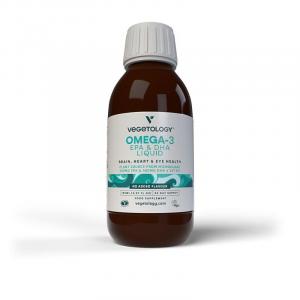
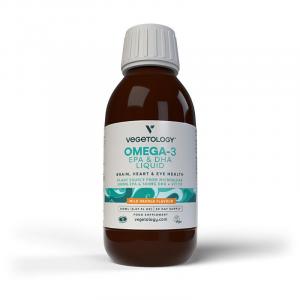
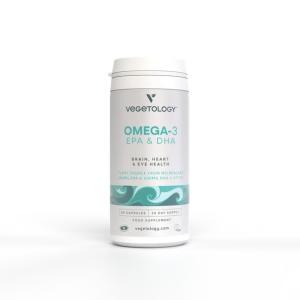
For those seeking natural dietary supplements that support hair health, products containing adaptogens such as ashwagandha or reishi may be of interest, as these help the body manage stress more effectively and regulate cortisol levels. Omega-3 fatty acids work similarly, supporting scalp health and reducing inflammatory processes. Quality natural dietary supplements can be found, for example, in the range offered by ecologically oriented online shops that focus on clean formulations without unnecessary additives.
Scalp care is another aspect that tends to be underestimated. Regular, gentle scalp massage – ideally with natural oils such as castor or jojoba oil – stimulates blood circulation and supports follicle activity. A study published in the journal Eplasty demonstrated that a four-minute daily scalp massage over 24 weeks led to statistically significantly stronger hair shafts. This is therefore not merely a relaxing ritual, but a scientifically supported method.
However, just as important as external care is addressing the root cause of the problem. If the trigger for hair loss is chronic stress, no shampoo or dietary supplement will resolve it in the long term. Stress management techniques – meditation, regular exercise, quality sleep, reducing stimulants such as caffeine and alcohol – are in this sense just as important as targeted hair care. Psychotherapy or mindfulness can be valuable support for people going through a difficult period in their lives.
For new mothers, there is one additional specific recommendation: do not be too hard on yourself. Postpartum hair loss is not a failure of the body, nor is it a mistake. It is a natural physiological response to one of the most demanding things the human body is capable of. Accepting this period with kindness towards oneself is in itself healing.
Choosing appropriate hair products is also not negligible. Aggressive sulphate-containing shampoos, frequent heat styling, or tight hairstyles that pull at the hair roots can worsen the situation. Switching to gentle, natural hair products free of silicone and parabens gives the scalp room to regenerate. Loose hairstyles and minimising mechanical damage to the hair are simple but effective steps during this period.
If hair loss persists or worsens despite attention to nutrition and lifestyle, it is appropriate to consult a specialist. A dermatologist or trichologist can carry out blood tests, rule out other causes, and if necessary recommend targeted treatment, whether that involves topical preparations with minoxidil, microneedling, or other methods to support follicle regeneration. Timely consultation with a specialist can prevent the unnecessary prolongation of the problem.
Hair has its own rhythm and its own pace of renewal. The body knows how to heal itself – it simply needs the right conditions, sufficient nutrients, rest, and time. And perhaps a little patience, which is rarer today than ever before.