

Dry hands from frequent washing and effective care for them
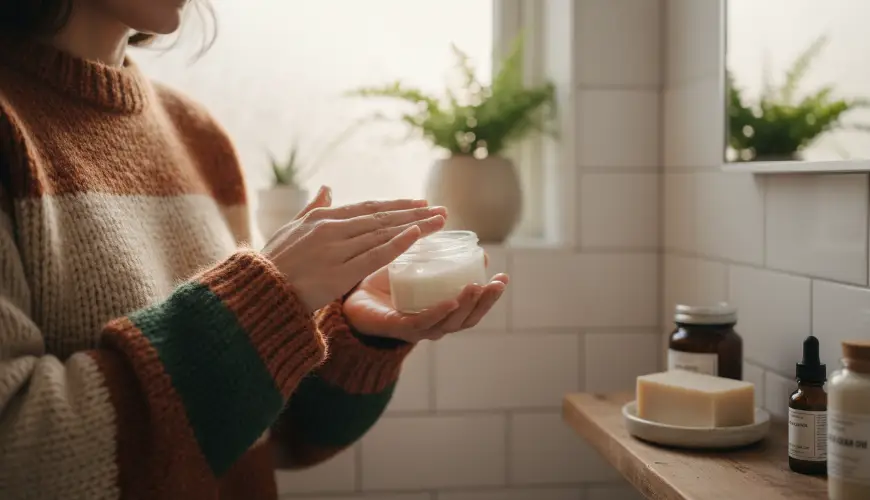
It seems like a small thing – washing your hands. We do it several times a day without thinking about it. Yet that very everyday routine that protects our health can paradoxically cause one of the most frustrating cosmetic problems: dry, cracked, and painful hands. Anyone who has ever spent a winter at a checkout counter, in a hospital, or in a restaurant kitchen knows exactly what this means. The skin on your hands peels, feels tight, cracks until it bleeds, and no cream seems to help for more than a few minutes. What is actually happening beneath the surface, and what can truly be done about it?
Human skin is a fascinating organ with a natural protective barrier that we professionally call the hydrolipid film. It is a thin layer composed of water, sebum, and natural acids that retains moisture inside the skin and protects it from external influences. The problem arises when we repeatedly disrupt this layer. And that is exactly what frequent handwashing does – especially with aggressive soaps, hot water, or antibacterial products. According to information from the American Academy of Dermatology (AAD), just a few washes per day are enough to cause the first signs of dehydration and irritation in sensitive skin.
The situation is further aggravated during the winter months, when the air outside is dry and frosty and indoor spaces are overheated. Central heating dries out the air in rooms to levels approaching those of a desert – relative humidity sometimes drops below 30%, while the ideal range for skin is around 40–60%. The result is that skin loses moisture from all sides at once: soap and water dry it out from the outside, while dry air depletes it from within. No wonder hands eventually give up the fight and start cracking.
Try our natural products

Why ordinary hand creams are not enough
Many people reach for the first cream they find in the bathroom and wait for a miracle. When it doesn't happen, they conclude that creams simply don't work. In reality, the problem lies elsewhere – not all products are equal, and the way they are applied plays just as important a role as the formulation itself.
Hand creams fall into several basic categories based on their mechanism of action. Humectants – such as hyaluronic acid, glycerin, or panthenol – attract water from the surrounding environment and bind it in the skin. Emollients – such as shea butter, jojoba oil, or ceramides – fill the gaps between skin cells and soften the skin's surface. And finally, occlusives – such as petroleum jelly, lanolin, or beeswax – form a protective film on the skin's surface that prevents moisture from evaporating. The best products combine all three types of ingredients, as each works in a slightly different way.
Dermatologists repeatedly emphasise that the moment of application is key. The most effective approach is to apply cream immediately after washing your hands, while the skin is still slightly damp – at that moment the skin is open and absorbs active ingredients much more readily. If you wait until your hands are completely dry and only then reach for a cream, the result will be noticeably worse. This seemingly trivial detail can change the effectiveness of a product by literally tens of percent.
It is equally important to pay attention to the composition of your soap. Many antibacterial soaps contain substances such as triclosan or strong surfactants that reliably kill bacteria but at the same time devastate the skin's natural microbiome and disrupt the lipid barrier. For everyday handwashing, natural bar soaps with a higher content of glycerin, oils, or plant extracts are a gentler alternative. Bar soaps also have an ecological advantage over liquid products in plastic packaging – less packaging waste and a longer shelf life.
Hot water is another silent enemy. While pleasant to the touch, it strips natural fats from the skin more quickly than lukewarm water. Simply switching to lukewarm or even cool water can lead to a surprisingly swift recovery. It is a small habit change that requires no expenditure, yet has a measurable effect.
Natural helpers that actually work
Alongside conventional creams, there is a wide range of natural ingredients that have a demonstrable effect on dry skin and are gentle both on the skin and on the environment. One of the longest-used is shea butter, a traditional African product pressed from the fruits of the karité tree. It contains a high proportion of fatty acids and vitamins A and E, which support skin regeneration and restore its protective barrier. Coconut oil works similarly and is popular among both dermatologists and natural cosmetics enthusiasts thanks to its antimicrobial properties and excellent absorption.
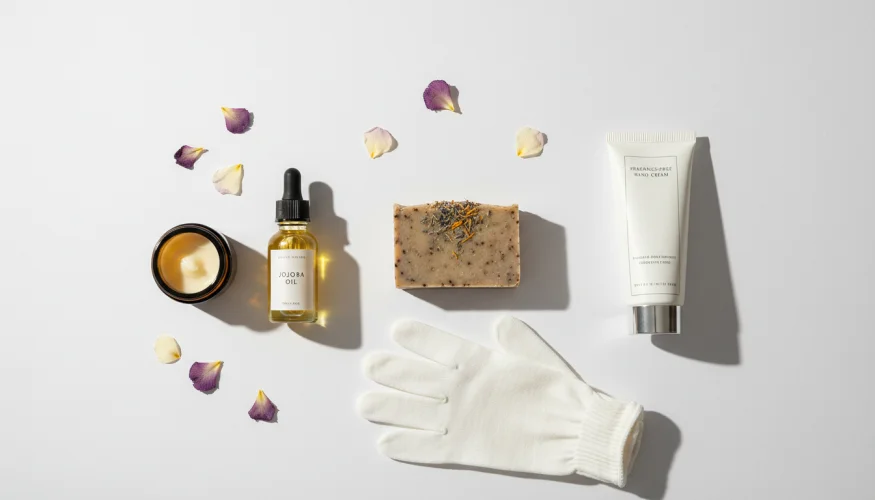
Among the less well-known but highly effective helpers is jojoba oil – technically a wax rather than an oil – whose composition closely resembles human sebum. As a result, the skin accepts it very easily without leaving a greasy film. Sea buckthorn oil is also beneficial, being rich in vitamins C and E and carotenes, with pronounced regenerative properties that help heal even cracked skin around the nails.
For intensive care in winter or for severely cracked skin, a so-called overnight hand mask works well: before bed, apply a generous amount of a rich product – ideally containing shea butter, lanolin, or petroleum jelly – and cover the hands with cotton gloves overnight. The results in the morning are usually surprising. This method is also recommended by leading dermatological institutions worldwide as a simple and inexpensive alternative to professional treatments.
Petra, a teacher from central Bohemia, describes her experience as follows: every winter her hands were so cracked that they bled every time she made a fist. She tried dozens of creams, but nothing helped for more than a few hours. It was only when she switched to a natural bar soap without sulphates, started applying cream immediately after washing, and began doing a weekly overnight mask with shea butter that the condition of her hands improved significantly within three weeks. No expensive cosmetics, no dermatologist – just a change in routine and product ingredients.
What to avoid when caring for dry hands
Knowing what helps is just as important as knowing what makes things worse. And the list here is surprisingly long, because many established habits actually do more harm than good.
The first problem is alcohol-based products. Hand sanitiser gels, which have become a staple of every handbag in recent years, typically contain 60–80% ethanol. While this reliably disinfects, it also aggressively dries out the skin. Where possible, it is better to wash hands with water and soap, or to opt for sanitising products enriched with moisturising ingredients such as glycerin or aloe vera.
The second problem is fragrances and synthetic dyes in cosmetics. Many inexpensive hand creams contain strong synthetic fragrances, which are one of the most common causes of contact allergies and skin irritation. If hands are sensitive or cracked, fragranced products can cause a significant worsening of the condition. A safer choice is products labelled as "fragrance-free" or those containing natural scents based on essential oils at low concentrations.
The third enemy is neglecting protection during household chores. Washing dishes, cleaning with chemical products, or gardening without gloves – all of these contribute to further disruption of the skin barrier. Rubber or latex gloves for cleaning are not a luxury but a practical form of protection that can significantly reduce the degree of irritation.
The fourth, less obvious factor is insufficient fluid intake. Skin is largely composed of water, and hydration from within is just as important as external care. As the World Health Organization notes, the recommended daily fluid intake for an adult is around two litres – and most of us regularly fall short of this figure. Dry skin on the hands can be one of the first visible signals that the body is simply not getting enough water.
The fifth factor that tends to be overlooked is nutrition. A deficiency in vitamin E, zinc, or essential fatty acids omega-3 and omega-6 can manifest precisely in the condition of the skin. Foods rich in these nutrients – nuts, seeds, fatty fish, avocado, or linseed oil – are not merely a fashionable health trend but have a direct impact on the skin's ability to regenerate and retain moisture. As leading British dermatologist Dr. Anjali Mahto says: "Skincare starts on the plate, not in the bathroom."
It is worth bearing in mind that dry hands from frequent washing are not merely an aesthetic problem. Cracked hands are an entry point for bacteria and viruses, meaning that neglected skin care can paradoxically reduce the very protection for which we wash our hands so diligently. A healthy, intact skin barrier is the first line of defence of the immune system, and it is therefore worth giving it a little attention.
Transitioning to a gentler routine does not have to be complicated or expensive. It is enough to swap an aggressive soap for a natural alternative, switch to lukewarm water, apply cream at the right moment, and occasionally give your hands more intensive care. Small changes in everyday habits have a greater impact on skin health than any expensive product – and that is a message worth remembering.