

Cold meals for work will save you time and money
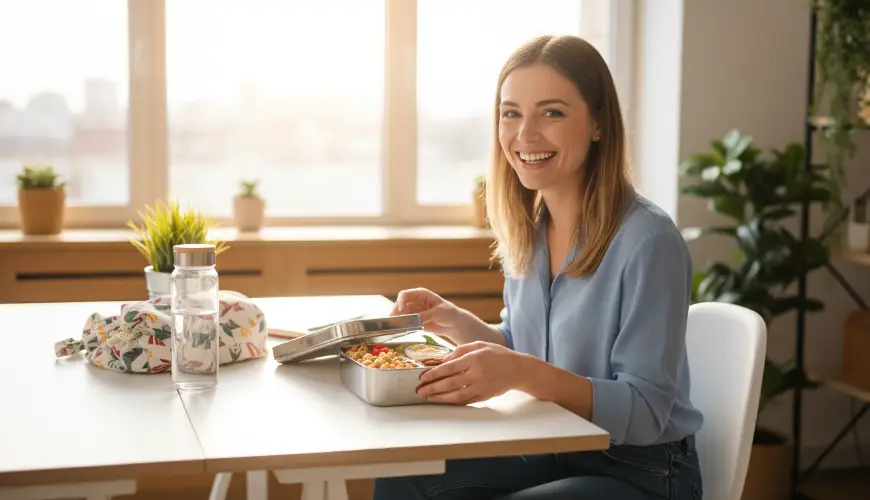
Packing lunch for work sounds simple – but the reality of office life is often different. The workplace fridge is overcrowded, the microwave is occupied, and you're standing in the break room with a bag in your hand wondering what you're actually going to eat. That's precisely why there's growing interest in cold meals that keep without refrigeration while remaining tasty, nutritious and safe to eat. This is nothing new – for centuries, craftsmen, farmers and travellers carried food wrapped in cloth or wooden containers without any access to electricity. Modern times have simply brought better materials and more options.
The key to success is understanding which foods are naturally resistant to temperature fluctuations, how to prepare and pack them properly, and why the choice of container matters more than you might think. At the same time, a cold lunch doesn't have to be boring or nutritionally inadequate – on the contrary, it can be more varied and tastier than many reheated meals.
Try our natural products




Why choosing the right foods matters
The basic food safety rule states that so-called high-risk foods – meaning meat, fish, dairy products and cooked eggs – should not spend more than two hours in the temperature range between 4 and 60 degrees Celsius, where bacteria multiply most rapidly. This is confirmed by the U.S. Food and Drug Administration (FDA), whose recommendations on safe food handling are considered a global standard. In practical terms, this means that if you don't have access to a fridge, it's wise to build your work lunch around foods that naturally handle temperature fluctuations well.
Fortunately, there are plenty of such foods. Legumes, whole grains, low-water vegetables, fermented foods, nuts, seeds and various types of bread or flatbreads form the foundation from which a surprisingly diverse menu can be assembled. This very combination forms the backbone of Mediterranean cuisine, which is still considered one of the healthiest in the world – and yet a large proportion of its dishes are traditionally eaten at room temperature.
Take Petra, an accountant from Brno, who commutes an hour to work every day. She used to buy lunches at restaurants, which was expensive and not always healthy. Then she started experimenting with cold lunches – first hummus with wholegrain bread and vegetables, later various legume salad variations, and eventually Japanese onigiri. Today she saves roughly four thousand crowns a month and feels better because she knows exactly what she's eating. Her experience is not exceptional – thousands of people around the world are switching to cold lunches for practical and health reasons alike.
What to pack: specific cold lunch ideas for work
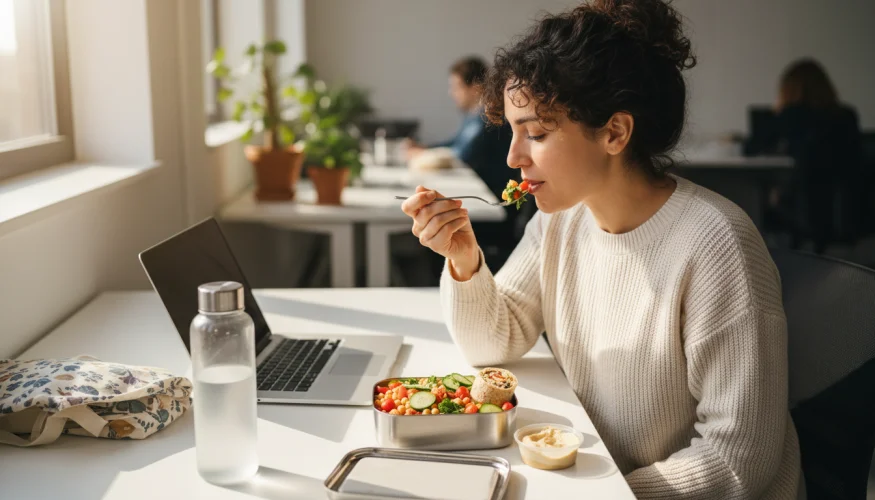
One of the most reliable choices is legume salads. Chickpeas, lentils, beans or peas work well as the base of a nutritious dish that can comfortably sit at room temperature for four to five hours without any loss of flavour or safety. Simply cook them or use canned ones, add chopped vegetables – peppers, cucumber, tomatoes, red onion – and season with a dressing of olive oil, lemon juice, salt and herbs. Such a salad is not only delicious but also rich in protein, fibre and complex carbohydrates, which provide long-lasting satiety without the afternoon energy slump.
Another excellent option is wraps and sandwiches on a wholegrain base. If you avoid mayonnaise-based fillings and raw meat, a wrap will keep without refrigeration without any trouble. Hummus with grilled vegetables, avocado with sprouts and sun-dried tomatoes, or tahini with roasted beetroot are combinations that not only smell appetising but also travel well in a bag. The key is to wrap the wrap tightly in beeswax wrap or reusable silicone film to prevent the edges from drying out.
Japanese cuisine offers an elegant solution in the form of onigiri – rice triangles filled with various fillings. Classic fillings such as umeboshi (pickled plums), sesame seeds or nori (seaweed) are naturally preserving and help the food keep. Onigiri last at room temperature for four to six hours, while being compact, easy to transport and surprisingly filling. Their centuries-long popularity in Japanese offices and schools is no coincidence – they represent a well-thought-out solution to a problem that today's working people face too.
Let's not forget wholegrain crackers, rice cakes or flatbreads such as pitta or lavash. These can be combined with various spreads – avocado paste, lentil dip, white bean spread or nut butter – and supplemented with pieces of vegetables or fruit. Such a snack or light lunch is quick to prepare, easy to transport and nutritionally balanced.
Fermented foods form a special category, as they are inherently resistant to bacterial spoilage by their very nature. Kimchi, fermented cabbage, pickled cucumbers or miso paste are examples of foods that not only require no refrigeration for several hours, but also contribute to gut microbiome health. As Harvard Medical School notes, a healthy microbiome has a direct impact on mood, immunity and cognitive performance – precisely the qualities that are crucial at work.
Fruit and vegetables with a firmer texture – apples, pears, carrots, celery, radishes or grapes – are naturally resilient and require no special care. By contrast, cut fruit with a high water content, such as watermelon or strawberries, spoils more quickly and is best eaten within two hours at room temperature. Whole fruit, however, will keep in a bag without any trouble throughout the working day.
Nuts and seeds are an ideal complement to any work lunch. Almonds, walnuts, cashews, sunflower seeds or pumpkin seeds provide healthy fats, protein and minerals. A handful of nuts as part of lunch or as an afternoon snack helps maintain stable blood sugar levels and prevents the sudden energy dips that are so common in office environments.
How to pack food properly so it keeps
Choosing the right foods is only half the battle. Equally important is how you pack and transport the food. A standard plastic container will fulfil the basic function, but from the perspective of both sustainability and food quality, better options exist. Stainless steel containers or glass jars with sealing lids are more durable, don't absorb odours or flavours, and don't leach any chemical substances into food, unlike some plastics at higher temperatures.
The Japanese bento box is another example of a well-thought-out solution. Its dividers keep individual components of the lunch separate, so the dressing doesn't wilt the vegetables and wet ingredients don't soften anything crispy. This approach also naturally leads to a more varied lunch composition – something different goes in each compartment, and the result is more nutritionally balanced than one large container filled with a single dish.
For those who prefer warm food even without access to a microwave, there are thermoses and insulated food containers that keep a meal warm for four to six hours. But for cold lunches without a fridge, insulated bags and cooling inserts are the key helpers. If you don't have access to a freezer, a frozen bottle of water can be used as a natural cooling element – until it melts, it will keep the surrounding temperature lower and extend the safe storage time for more sensitive foods.
The packaging itself can be an ecological choice. Beeswax wrap instead of cling film, cloth bags instead of plastic bags, reusable silicone bags or bamboo cutlery – each such choice reduces the amount of waste and simultaneously contributes to a more natural lunch atmosphere. As environmental activist and author Anne-Marie Bonneau puts it: "We don't need a handful of people doing zero waste perfectly. We need millions of people doing it imperfectly." This is exactly how a more eco-friendly approach to packing lunch works – every small step counts.
Preparing food in advance, so-called meal prep, is another way to make cold lunches easier. Spending two hours on Sunday cooking larger quantities of legumes, preparing dressings and chopping vegetables means that for the rest of the week you only need to assemble the individual components into a container. This approach saves time, reduces food waste and helps maintain healthy eating habits even on the busiest working days.
Cold lunches for work without a fridge are not a compromise or an expression of austerity. They are an expression of practicality, thoughtfulness and respect for your own body and for the environment. All it takes is knowing the right foods, having good containers and planning a little ahead – and lunch at work can become the best meal of the day.