
Tips for Preventing and Caring for Dry Skin Between Fingers

What Can Cause Dry and Red Skin Between Fingers – and How to Deal with It
At first glance, dry skin between the fingers might seem like a minor issue that can be solved with a bit of cream. However, the skin in these areas is surprisingly sensitive and prone to irritation. When red and dry skin between the fingers appears, it often signals more than just temporary dryness. It could be due to overloading the skin's protective barrier, an allergic reaction, a chronic skin condition, or even an unsuitable environment.
The skin between the fingers is delicate and constantly exposed to mechanical friction, moisture, and chemicals. This combination of factors contributes to dryness, redness, cracking, or peeling of the skin being more common here than elsewhere. Many people know from personal experience – the skin between the fingers itches, feels tight, sometimes even painful, and ordinary creams don’t provide relief.
Why the Skin Between the Fingers Suffers More Than Elsewhere
In winter, air humidity drops and the skin loses its ability to retain moisture. In summer, it's exposed to sweat and frequent washing, which can be just as harsh. However, the cause of dry skin between the fingers isn’t just the weather. A key role is played by frequent hand washing – especially if we use heavily scented or aggressive soaps. These soaps strip the skin of its natural protective film. If we forget to moisturize after washing hands, the problem soon worsens.
Contact dermatitis is another common cause. Simply coming into contact with ordinary detergents, cleaning products, or even metal objects or latex can cause the skin on the hands between the fingers to react with redness, dryness, or small cracks. Some people even experience eczema symptoms, which require professional care.
This is well illustrated by the example of Mrs. Šárka, an accountant from a small Czech company. Due to the pandemic, she started washing her hands much more frequently and using disinfectants. After a few weeks, she noticed that the skin between her fingers was dry, red, and starting to peel. She tried moisturizing creams, but none provided long-term relief. Finally, a dermatologist recommended a simple change: switch to gentle hand washing, avoid alcohol-based disinfectants, and apply a thicker balm with natural oils every evening. She was thrilled with the result.
Try our natural products

The Most Common Causes of Dry and Red Skin Between Fingers Include:
- frequent hand washing with aggressive products
- insufficient skin hydration
- allergic reaction to cosmetics or cleaning products
- atopic eczema, psoriasis or contact dermatitis
- exposure to cold, wind, or dry air
- fungal or bacterial infection (often accompanied by scaling or oozing)
Infections, especially fungal ones, deserve special attention. People often mistake them for ordinary dry skin, but if the skin peels, burns, or itches only between the fingers, it could be a skin mycosis. It can easily spread, for example, when using damp towels or after visiting a swimming pool.
How we care for our hands is not just an aesthetic matter but part of preventing many unpleasant conditions.
Natural Solutions That Work
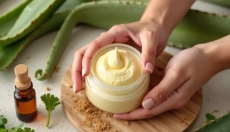
When taking care of sensitive skin between the fingers, it's worth opting for natural and gentle products. Look for compositions without fragrances, dyes, and synthetic preservatives. Ideal are bio creams and butters rich in shea butter, almond, coconut, or hemp oil. These help restore the skin's lipid layer and naturally soothe it.
Very effective are balms with calendula, which has anti-inflammatory and healing effects. Also, beeswax combined with oils creates a protective film without preventing the skin from breathing. Ferwer.cz offers a wide range of such products – without plastic packaging, free of petroleum-based ingredients, and entirely of natural origin.
Especially in colder months, it's recommended to apply a protective balm before going outside, as wind and frost disrupt the natural skin barrier.
How to Know When It's Time to See a Specialist
Sometimes even the best natural care doesn't work. If skin dryness persists for several weeks, worsens, or painful cracks appear, it is advisable to see a dermatologist. They can perform allergy tests, check if it's eczema or an infection, and suggest appropriate treatment.
Some people suffer from chronic eczema between the fingers, which activates at certain times and calms down at others. In such cases, long-term hydration is important, but equally crucial is avoiding triggers – whether stress, chemicals, or weather changes.
Dermatologist MUDr. Pavlína Zbořilová says: “The skin between the fingers is often the first place where reactions to stress or irritants appear. Patients tend to address it late because dry skin doesn’t seem like a serious problem. But timely care can prevent the development of chronic issues."
Small Changes That Can Have a Big Impact
Caring for the skin between the fingers begins with everyday habits. Frequent hand washing is, of course, important, but it also matters what we wash our hands with and how we dry them. Use gentle soaps with neutral pH, ideally without fragrance. After each wash, thoroughly dry your hands, especially between the fingers – moisture creates an ideal environment for bacteria and fungi.
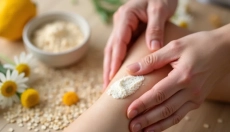
If you are dealing with red and dry skin between the fingers, try incorporating nighttime care into your daily routine. Apply a thicker layer of balm and put cotton gloves over your hands. By morning, the skin will be softer and visibly soothed.
Finally, diet and hydration have a significant influence. A lack of essential fatty acids or vitamin E can cause the skin to be dry and fragile. Include more nuts, seeds, avocado, or quality vegetable oils in your diet – and don’t forget to drink enough water.
Whatever the reason for dry skin on your hands between the fingers, the most important thing is to listen to your skin and respond in time. Often, a few small adjustments in daily care are enough to significantly improve the condition. And if not – there are many gentle and effective options that can help.