

# What Not to Do with a Stye on the Eye ## Avoid These Common Mistakes ### Do Not Squeeze or Pop t

A stye is one of those unpleasant health complaints that always seems to arrive at the worst possible moment. You wake up in the morning feeling pressure on your eyelid – and in the mirror you spot a red, swollen lump that hurts with every blink. Although in most cases it's a relatively harmless matter, many people don't know how to deal with a stye properly. And more importantly – they don't know what they absolutely should not do.
A stye, medically known as a hordeolum, is an inflammatory infection of a sebaceous or sweat gland on the edge of the eyelid. It most commonly occurs when bacteria – most often Staphylococcus aureus – enter a tiny gland. The result is a painful, reddened lump that may be filled with pus. It is therefore a bacterial infection, not an allergy or mere irritation, as some people mistakenly believe. This distinction is crucial, because correctly understanding the origin of the problem directly influences how it should be approached.
Interestingly, styes are genuinely very common worldwide – according to estimates from the American Academy of Ophthalmology, the vast majority of people suffer from this infection at least once in their lifetime. Nevertheless, there are numerous myths and misleading pieces of advice surrounding proper stye care that can make the situation worse instead of helping.
Try our natural products
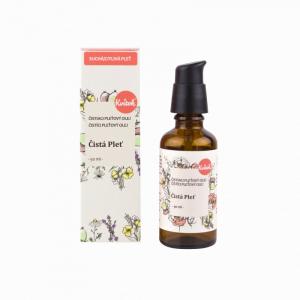
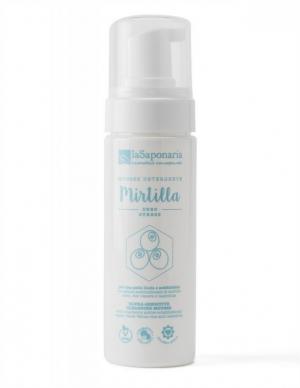
What you should absolutely not do with a stye
Probably the most widespread and at the same time most dangerous misconception is the belief that a stye needs to be squeezed or pierced. The logic behind it seems to make sense – after all, you squeeze a pimple, so why not this? But the eye is an extraordinarily sensitive organ and the eyelid is thin tissue full of tiny blood vessels and nerves. Squeezing a stye can cause the infection to spread to surrounding tissue, and in the worst case into the eye socket, which is a condition requiring immediate medical attention. Bacteria from a closed focus can enter the bloodstream and cause serious complications. No relief from squeezing out the contents is worth such a risk.
Similarly dangerous is piercing a stye with a needle or other sharp object at home. Even if the object were disinfected, the risk of introducing additional bacteria into the wound or injuring the delicate tissues of the eyelid is too high. Surgical opening of a stye is performed only by a doctor under sterile conditions, and only when it is truly necessary.
Another common mistake is rubbing the eye intensively. When the eyelid hurts and itches, the natural reaction is to touch the eye. However, rubbing mechanically spreads the infection and simultaneously introduces additional bacteria from the hands into the eye area. Hands are among the most common carriers of bacteria – we touch door handles, phones, money and dozens of other surfaces with them every day. Every contact of unclean hands with the eye thus feeds the infection.
Many people also reach for make-up to conceal the reddened lump. But that is exactly what they should not do. Applying cosmetics to an infected eyelid is a direct path to prolonging and worsening the infection. Eye pencils, eye shadows and mascaras are also excellent environments for bacterial growth. Using contaminated make-up can then lead to recurring infections. If a stye appears, it's time to set aside all eye cosmetics – at least until the infection has completely subsided. And cosmetics that were used during the infection are ideally best discarded after recovery and replaced with new ones.
Contact lenses are also unsuitable during a stye. Putting them in and taking them out requires repeated contact of hands with the eye, the lenses themselves can irritate the inflamed tissue and they can also become contaminated. During the infection, it is clearly better to switch to glasses.
Some people, with good intentions, resort to applying cold compresses. The intuition is understandable – cold compresses help with swelling, after all. In the case of a stye, however, the opposite applies. Heat is what helps, not cold. Warm compresses promote blood flow to the area and help the body naturally "ripen" and drain the infection. Cold compresses, on the other hand, constrict blood vessels and slow down the healing process.
And finally – a stye is not a reason for self-treatment with drops or ointments without medical recommendation. Some eye drops, especially those containing corticosteroids, can paradoxically worsen the situation in a bacterial infection, because they suppress the body's immune response, which is desirable in this case.
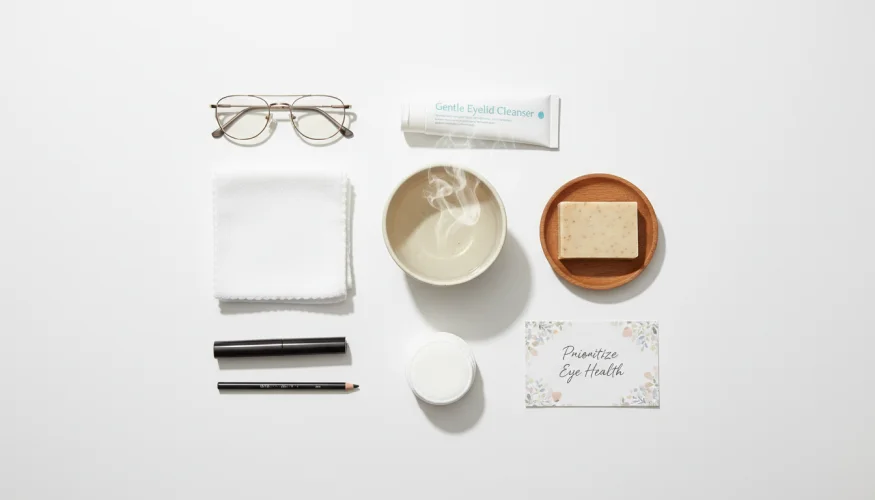
How to properly care for an eye with a stye
Once we know what not to do, the logical question follows: what actually helps? The answer is surprisingly simple and requires no special equipment or expensive products.
The basis of treatment is applying warm compresses several times a day. A clean towel or gauze pad soaked in warm (not hot) water, applied to the closed eye for ten to fifteen minutes, is sufficient. The heat helps soften the blocked gland opening and promotes the natural drainage of its contents. Most styes resolve on their own precisely through regular application of warm compresses within one to two weeks.
Careful hand hygiene is equally important. Before any contact with the eye area – whether when applying a compress or cleaning the eyelid – it is essential to thoroughly wash your hands with soap and water. Gently cleaning the edge of the eyelid with a special product or diluted baby shampoo can also help keep the area clean and prevent further spread of the infection.
What does this look like in practice? Imagine Martina, a thirty-year-old teacher who developed a stye before an important school event. Her first instinct was to cover it with make-up and hope it would disappear on its own. Fortunately, she read the right information in time, set aside her cosmetics, began applying warm compresses three times a day and maintained hand hygiene. Within a week the stye was gone without complications. Had she done the opposite, she could have been dealing with the infection long after the school event had ended.
But when is it time to see a doctor? If the stye does not resolve within two weeks, if it is growing, if the redness is spreading to a larger part of the eyelid or surrounding eye area, if vision deteriorates or if the infection recurs, a visit to an ophthalmologist or general practitioner is essential. A doctor can prescribe antibiotic drops or ointment, and if necessary can sterily open and drain the purulent focus. As the old medical saying goes: "The eye is the window to the soul – and it deserves expert care."
People with weakened immune systems, diabetics and those who deal with styes repeatedly should pay particular attention. Recurring styes may be a sign of an underlying condition or chronic bacterial colonisation of the eyelid glands, which requires more targeted treatment. In such a case, a doctor may recommend a longer course of antibiotics or a different therapeutic approach. The British National Health Service (NHS) recommends seeing a doctor whenever you are unsure about the condition or when a stye recurs more than twice a year.
It is also important to distinguish between a stye and a chalazion. A chalazion is a non-inflammatory cyst arising from a blockage of a Meibomian gland in the eyelid. Unlike a stye, it is usually not painful, does not show marked redness and typically develops more slowly. Both conditions can look similar, but their treatment may differ, so when in doubt it is always better to consult a doctor than to rely on self-diagnosis.
In terms of prevention, everyday eyelid hygiene plays a key role. People who regularly wear contact lenses or use eye make-up should pay increased attention to eyelid cleanliness and should never go to sleep without removing their make-up. Make-up removal should be gentle but thorough. Eye cosmetics should not be shared with anyone else and should be replaced regularly – mascaras and eyeliners ideally every three months. These simple measures significantly reduce the risk of a stye developing in the first place.
The overall state of the immune system also plays its part. Lack of sleep, chronic stress and an unbalanced diet can weaken the body's natural defence mechanisms and increase susceptibility to bacterial infections, styes included. Taking care of a healthy lifestyle – adequate sleep, exercise, a balanced diet rich in vitamins and minerals – is therefore not merely a cliché, but a genuine foundation of prevention. Vitamin A, which is crucial for the health of the eyes and mucous membranes, can be found for example in carrots, sweet potatoes, spinach or eggs.
A stye is therefore a small problem, but one that requires the right approach. The biggest mistake people make is to underestimate it on the one hand and to panic unnecessarily on the other. The truth lies in the middle: it is an infection that deserves attention and proper care, but in most cases it resolves on its own – provided we don't prevent it from doing so through inappropriate interventions. Warmth, cleanliness and patience are the best things an eye can receive at such a moment.