

# Why does the ear remain blocked even after a cold clears up and what to do about it ## Why does t

Everyone knows it – the cold finally clears up, the nose opens, but one ear stays blocked as if stuffed with cotton wool. Sounds come as if from behind a wall, your own voice sounds hollow and unpleasant, and you feel as though someone has placed a pillow inside your head. A blocked ear after a cold is one of the most irritating symptoms that can persist long after all other signs of the illness have disappeared. Why does it actually happen, and what can be done about it?
The answer lies in the anatomy of the middle ear and its connection to the nasopharynx. The key player here is the Eustachian tube – a narrow channel connecting the middle ear to the throat, whose main job is to equalise pressure on both sides of the eardrum. Under normal circumstances, it works quietly and reliably. During a cold or upper respiratory tract infection, however, the mucous membrane swells, the Eustachian tube narrows or closes completely, and air in the middle ear stops circulating. The result is precisely that unpleasant feeling of blockage, which can persist for days – and sometimes even weeks – after the infection itself has cleared up.
Try our natural products
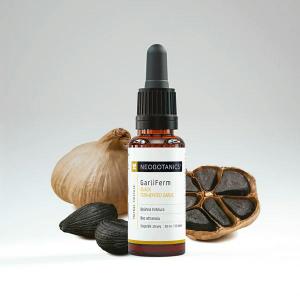



Why the ear doesn't "unblock" immediately after a cold
It is important to understand that a blocked ear is not merely a cosmetic problem – it is a physiological condition that, if neglected, can have real consequences for hearing. If the Eustachian tube remains closed for too long, fluid can accumulate in the middle ear, leading to what is known as serous otitis media, or the infection can develop into acute otitis media, which is painful and requires medical attention.
Children are particularly susceptible to this condition, as their Eustachian tube is shorter and more horizontal than in adults, making it easier for bacteria and viruses to reach the middle ear. Adults are by no means immune, however – especially those who suffer from allergies, are smokers, or have anatomical deviations of the nasal septum. The World Health Organization states that middle ear infections are among the most common infectious diseases worldwide, with a large proportion of cases directly following viral upper respiratory tract infections.
Consider the situation of Markéta, a thirty-year-old teacher from Brno. After a bout of flu in December, she felt well, but her left ear troubled her for another three weeks. She tried various home remedies, put off visiting a doctor, and hoped it would resolve on its own. It did – but only after a visit to an ENT specialist, who found mild fluid accumulation and recommended targeted treatment. A story straight out of any ear doctor's waiting room.
If a blocked ear persists for more than a week, is painful, or is accompanied by hearing loss, sounds in the ear (tinnitus), or dizziness, a visit to the doctor is unequivocally warranted. This is not unnecessary caution – it is common sense.
What helps: from natural methods to medical care
Before reaching for medication, it is worth knowing what you can do at home yourself – and what might make the situation worse. One of the most common mistakes is blowing the nose aggressively. Forceful nose-blowing can actually pressurise the Eustachian tube and worsen the condition. The correct nose-blowing technique involves blocking one nostril and gently clearing the other – not with the vigour of blowing a trumpet.
A very popular and scientifically supported method is the so-called Valsalva manoeuvre – gently blowing into the blocked nose with the nostrils pinched shut and the mouth closed. This manoeuvre helps mechanically open the Eustachian tube and equalise pressure. It must be performed carefully and never with excessive force, as a sudden increase in pressure can damage the eardrum. An alternative is the so-called Toynbee manoeuvre – swallowing with the nose pinched shut, which works on a similar principle.
Natural methods that have proven effective:
- Steam inhalation – breathing in warm, moist air helps relax the mucous membrane and promote Eustachian tube patency
- A warm compress on the ear and jaw area – improves blood circulation and can relieve the unpleasant pressure
- Chewing and yawning – jaw movements activate the muscles around the Eustachian tube and can help it open
- Adequate hydration – drinking warm fluids (herbal teas, broths) helps thin mucus and supports the natural cleansing of mucous membranes
- Sleeping position – sleeping with the head slightly elevated reduces fluid accumulation in the middle ear area
When it comes to natural immune support and mucosal health, herbs and natural dietary supplements can play a useful role as supportive, rather than replacement, therapy. Sea buckthorn, for example, is rich in vitamin C and antioxidants that support the body's natural defence mechanisms. Ginger and turmeric have proven anti-inflammatory properties that may contribute to faster reduction of mucosal swelling. Echinacea is traditionally used to support the immune system during a cold – although its effectiveness is a matter of scientific debate, many people successfully incorporate it into their daily health care routine.
From a pharmacological standpoint, nasal decongestants are commonly recommended for a blocked ear after a cold – medications that constrict blood vessels in the nasal mucosa and reduce swelling. Their use should not exceed three to five days, however, as prolonged use leads to dependence and a so-called rebound effect, where nasal congestion actually worsens after discontinuation. In cases of allergic origin, antihistamines may help. Corticosteroid nasal sprays are a safer option for longer-term use and are typically prescribed by a doctor.
As the saying goes – and it holds doubly true in medicine: "Prevention is better than cure." And in the case of ears, this is literally true – caring for the mucous membranes during a cold, getting adequate rest, and avoiding sudden temperature changes can significantly reduce the likelihood of a blocked ear developing in the first place.

When to stop experimenting and see a doctor
The boundary between what home care can handle and what requires professional intervention is not always obvious. As a general rule, if a blocked ear persists for more than ten to fourteen days, it is time to visit a GP or an ENT specialist directly. Using an otoscope, the doctor can assess the condition of the eardrum, determine whether fluid is present in the middle ear, and recommend appropriate treatment. In some cases, a procedure called paracentesis (puncturing the eardrum) or the insertion of a ventilation tube may be indicated – procedures that sound more alarming than they actually are, and which bring immediate relief.
Particular attention should be paid to situations where a blocked ear is accompanied by pain, fever, or discharge from the ear – these are symptoms of acute otitis media, which requires antibiotic treatment and should not be delayed. Equally serious is sudden hearing loss, which may have causes other than a cold and requires prompt examination.
For those who wish to better understand how the ear functions and how it connects to the nasopharynx, the MSD Manual offers clear and professionally verified information that can help you get your bearings before visiting a doctor.
A blocked ear after a cold is unpleasant, but in most cases it is a temporary condition that resolves on its own or with minimal assistance when properly managed. The key is patience, the right home care approaches, and the ability to recognise the moment when it is time to hand the matter over to a specialist. After all, ears are far too precious to be left at the mercy of guesswork and unnecessary delay.