

Simple legume dishes you can cook quickly when you want to save time and money
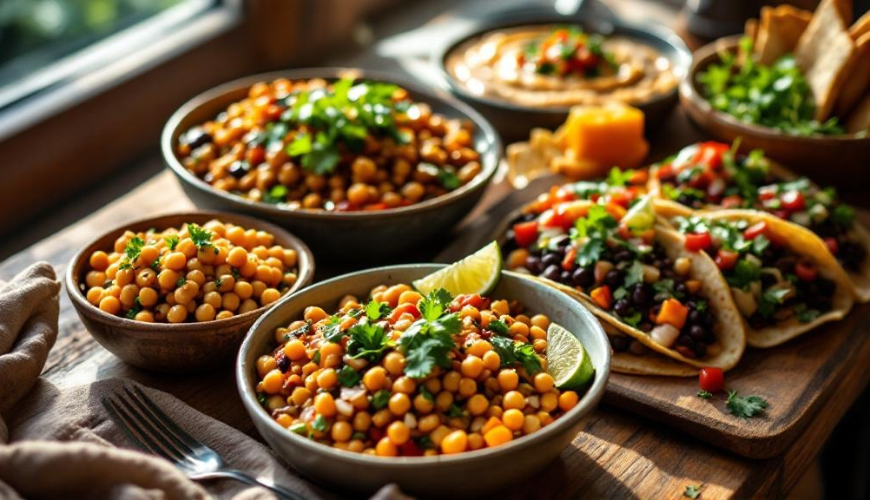
Legumes have a reputation as a humble ingredient that can satisfy, warm, and surprise with their taste. Yet in the everyday hustle of household meals, they often lose out to pasta or bread. However, simple dishes made from legumes can easily solve a weekday dinner, a packed lunch, or "something quick" when you don't want to spend or waste resources. Moreover, legumes are long associated with a more sustainable diet – they have a low ecological footprint and, when prepared well, are naturally filling, so it's easy to end up using fewer additional ingredients.
There's no need to create complex vegan dishes from them. Just follow a few principles: keep a couple of cans of chickpeas or beans, a bag of lentils, and some basic seasonings at home. And if anyone hesitates about whether legumes belong in a modern kitchen, remember that according to the FAO (Food and Agriculture Organization of the United Nations), legumes are an important food for nutrition and more sustainable agriculture. It sounds grand, but in practice, it mainly means that you can make many tasty things from them without much effort.
And what's best about it? Once you learn a few "building blocks," you'll naturally start to vary specific tips and recipes for legume dishes according to the season, the contents of your fridge, and your taste. The following 5 simple legume dishes are designed to work with commonly available ingredients, can be cooked even in a small kitchen, and can be easily adapted – sometimes towards a lighter dinner, other times towards a hearty lunch.
Try our natural products





Why Legumes Work in "Quick" Kitchens
Legumes are often seen as something that needs to be soaked and cooked for a long time. That's only part of the truth. Yes, dry legumes are cheap and great, but for speed, there's a simple shortcut: canned and pre-cooked legumes in jars. When you have chickpeas, beans, or lentils in a can at home, it's similar to having canned tomatoes on hand – a base from which you can build a whole meal in 15 minutes.
The taste is also important. Legumes are quite neutral on their own, so they absorb spices, herbs, lemon, garlic, or smoked paprika well. Sometimes, just a little is enough: acid (lemon, vinegar), salt, and something aromatic. And if you're concerned about bloating, rinsing legumes well, soaking dry ones, and cooking them until soft can help; some people also find cumin, fennel, or ginger helpful. As the often-quoted chef's rule aptly puts it: "Flavor is in the details."
"Food doesn't have to be complicated to be good – it just needs to be well-seasoned."
Now, let's get specific: five dishes that prove themselves precisely because they are simple, versatile, and don't feel like a last resort.
5 Simple Legume Dishes: Specific Tips and Recipes
1) Creamy Lentil Soup with Carrot and Lemon (Ready in 30 Minutes)
Red lentils are a small miracle for weekdays. They don't need soaking, cook quickly, and thicken nicely on their own, so there's no need for roux or cream. The result is a soup that's smooth, filling, yet doesn't feel heavy.
Ingredients (3–4 servings): red lentils (250 g), 1 large onion, 2 carrots, 2 cloves of garlic, 1 tablespoon oil, 1 teaspoon ground cumin, 1/2 teaspoon turmeric (optional), broth or water (about 1–1.2 l), salt, pepper, lemon, optionally chili. For serving: parsley or coriander.
Procedure: Sauté the onion in oil until translucent, add sliced carrot and garlic. Briefly let the cumin (and optionally turmeric) release its aroma, add rinsed lentils and cover with broth. Cook for about 12–15 minutes until the lentils are completely soft. Then blend with a stick blender until creamy, season with salt and pepper, and finally add lemon juice, which incredibly "lifts" the soup.
Real-life tip: When you come home late and only have carrot, onion, and half a lemon in the fridge, this soup can be a lifesaver. In one family, it often works like this: make a larger pot, save some for the next day's packed lunch, and "improve" the rest in the evening – sometimes by adding fried croutons, other times a spoonful of yogurt or a bit of chili.
What's nice about it: even without meat, the soup feels satisfying and complete thanks to the lentils.
2) Chickpea "Skillet" with Paprika and Spinach (Quick One-pan Dinner)
Chickpeas are the queen of quick dinners. When canned, it's a matter of minutes. This skillet tastes a bit like "something between" ratatouille and mild curry, but without complex ingredients. And above all: it can be eaten with rice, couscous, bread, or on its own.
Ingredients (2–3 servings): 1 can of chickpeas (about 240 g after draining), 1 onion, 1 red pepper, 2 cloves of garlic, 1 teaspoon sweet paprika, a pinch of smoked paprika (optional), 200 ml crushed tomatoes or passata, a handful of spinach (fresh or frozen), salt, pepper, oil. For finishing: lemon or wine vinegar.
Procedure: Fry the onion in oil, add pepper, garlic, and spices. Once everything is aromatic, add tomatoes and rinsed chickpeas. Let it bubble for 8–10 minutes to combine the flavors. Finally, stir in the spinach and let it wilt briefly. Season with salt, pepper, and a few drops of lemon or vinegar.
Little trick: If you dry the chickpeas briefly and fry them quickly before adding to the pan, they get a better texture and a slightly nutty flavor. It's not mandatory, but if you have time, it's worth it.
This skillet is exactly the type of dish that can be cooked "by eye," and it still turns out well. And if there's some left, it tastes even better the next day.
3) Bean Salad for a Packed Lunch (Lunch Solved)
A bean salad has one big advantage: it doesn't wilt, unlike leafy salads. It's therefore ideal for work or travel. And when made right, it's not just a boring mix of "something with beans," but a fresh, flavorful meal.
Ingredients (2 servings): 1 can of red or white beans (about 240 g after draining), 1 small red onion, 1 cucumber or celery stalk, a handful of cherry tomatoes (optional), 2 tablespoons olive oil, 1–2 tablespoons lemon juice or apple cider vinegar, salt, pepper, herbs (parsley, chives). Optionally: mustard, pickled vegetables, olives.
Procedure: Rinse the beans, add finely chopped onion and vegetables. The dressing is simple: oil, lemon/vinegar, salt, pepper, and optionally a teaspoon of mustard. Mix, let stand for 10 minutes, and it's done.
How to enhance it without extra work:
- add leftover boiled potatoes for a more substantial salad
- add roasted vegetables from yesterday to deepen the flavors
- add seeds or nuts for a crunch
This is the type of dish that also helps with reducing waste: use what's already at home, and the beans "support" it as a filling base.
4) Quick Lentils with Vinegar without Roux (A Lighter Classic)
Lentils with vinegar are a staple in Czech households, but they can sometimes be heavy and buried in flour. Yet there's another way: with root vegetables, a bit of mustard, and vinegar at the end. The result is still the "familiar" taste, but more modern and lighter.
Ingredients (3–4 servings): brown or green lentils (250 g), 1 onion, 1 carrot (optional), 2 bay leaves, a few allspice berries, 1–2 tablespoons mustard, 1–2 tablespoons apple cider vinegar, salt, pepper. For serving: pickled cucumber, hard-boiled or poached egg (optional), or a quality plant-based alternative.
Procedure: Rinse the lentils and cook until soft with bay leaves and allspice (time depends on the type, usually 25–35 minutes). Meanwhile, fry the onion until golden, you can add finely chopped carrot. Mix the cooked lentils with the onion base, add mustard, salt, pepper, and finally vinegar – gradually, so the acidity doesn't overpower everything else.
Important seasoning: Add acidity at the end. If vinegar cooks for too long, the taste can be sharper and less pleasant. This way, it remains fresh and rounded.
This is a dish suitable even for those just getting acquainted with legumes, as it tastes familiar and "homemade."
5) Hummus as Dinner or Snack (And the Rest Serves Further)
Hummus may be the most famous legume spread, but its strength is that it's not just "for bread." It can be turned into a quick dinner: hummus, vegetables, pita or sourdough bread, a few olives – and the table looks like it was planned long in advance. Yet it's just a few minutes of work.
Ingredients (bowl): 1 can of chickpeas, 1–2 tablespoons tahini (sesame paste), 1 clove of garlic, 2–3 tablespoons lemon juice, 2–4 tablespoons olive oil, salt, cumin (optional), water to smooth. On top: paprika, parsley, oil.
Procedure: Blend everything until smooth. If the hummus is too thick, add a bit of water or chickpea liquid. Flavor is adjusted with lemon and salt – this is where it's decided whether the final taste is just "good" or distinctly addictive.
Practical tip: Hummus lasts several days in the fridge and can be used as a base in sandwiches, in tortillas, as a dip for vegetables, or as a "sauce" on baked potatoes. Adding fried onions or leftover roasted pumpkin on top creates a slightly different version each time without needing to learn a new recipe.
How to Simplify Legumes: Small Habits that Make a Big Difference
For those who want to cook legume dishes more often, usually, more recipes aren't needed, but a smarter system. In practice, it's helpful to always have one "quick" legume on hand (canned chickpeas or beans) and one "cheap" one in reserve (red or brown lentils). It's also useful to remember the simple trio: legume + something acidic + something aromatic. Acidic can be lemon, vinegar, or pickled vegetables; aromatic is garlic, onion, cumin, paprika, or herbs. Suddenly, even plain chickpeas turn into a dish with character.
And then there's another detail often overlooked: legumes are great even cold. Bean salad, hummus, or lentils as a side dish don't get lost in a lunchbox and don't require a microwave. In a time when many people are trying to eat more economically, healthily, and with less impact on the planet, this is quite an elegant solution – without grand declarations, just with good food on the plate.
Those who choose just one of these five tips and incorporate it into a regular week will usually find that legumes aren't a "backup plan," but a convenient base. And isn't it a pleasant thought – to have an ingredient in the pantry from which you can quickly cook something warm, filling, and yet simple?