

# Your relationship with food during pregnancy changes more than you expect
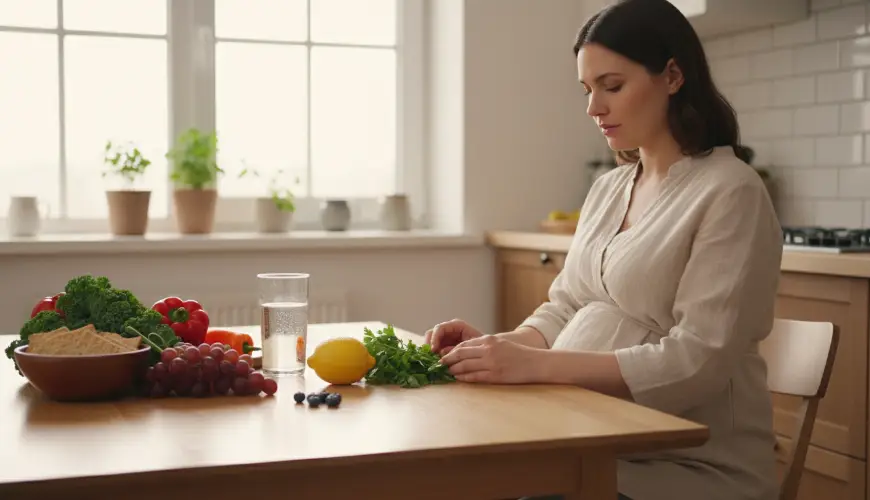
Pregnancy is one of the most powerful periods in life, capable of transforming a woman from the inside out. Hormones rewrite priorities, the body begins craving things a person would never have eaten before, while rejecting foods they have loved their whole life. The change in relationship with food during pregnancy is not merely a matter of cravings or nausea – it is a profound, sometimes startling transformation in how a woman perceives food itself. And this transformation can persist long after childbirth.
It is not uncommon for a woman who spent her entire life unable to walk past a sushi restaurant without sighing longingly to suddenly feel a wave of nausea at the mere sight of raw fish. Or conversely – a woman who avoided fast food and prided herself on healthy eating habits discovers that the only thing she craves is chips with ketchup. Pregnancy simply plays by its own rules.
Try our natural products



Why the relationship with food changes so radically during pregnancy
Behind these dramatic changes lies primarily the hormonal storm that accompanies the first trimester. Levels of human chorionic gonadotropin, or hCG, rise sharply, and along with them, the sensitivity of olfactory and taste receptors changes. Research shows that up to 85% of pregnant women experience some form of food aversion, while approximately 50 to 90% report strong cravings for specific foods. These figures are confirmed by, for example, a review of studies published in the academic journal Frontiers in Psychology, which focuses on the psychological aspects of eating during pregnancy.
Yet hormones are only part of the story. Pregnancy also brings new responsibility – the awareness that every bite affects not only the mother but also the growing child. This awareness can radically change the motivation for eating. A woman who previously ate mindlessly or under the influence of stress suddenly finds herself considering every meal. What does it contain? Is it safe? Will the baby get enough nutrients from it? Such a shift in thinking can be challenging at first, but for many women it becomes the first step towards a more conscious relationship with food.
Interestingly, aversions and cravings often have their own logic, even when they appear irrational at first glance. Aversion to meat, alcohol, or strongly aromatic foods in the first trimester may be an evolutionary protective mechanism that shields the foetus during the most vulnerable period of development. Conversely, a craving for salty or sour foods may reflect a need for specific minerals. The body simply knows more than we think.
Consider Lucie, a thirty-year-old graphic designer from Brno, who followed a strict plant-based diet before her pregnancy. She made smoothies, avoided sugar, and tracked every gram of protein. Then she became pregnant, and the first thing she craved was roast chicken with potatoes – a meal she had not eaten for eight years. At first she felt guilty, but then she understood that her body simply needed something different. She stopped fighting it and began to listen. After giving birth, she returned to a plant-based diet, but with one fundamental difference – she stopped being so rigid and began approaching food with greater kindness towards herself.
When nausea becomes a new beginning
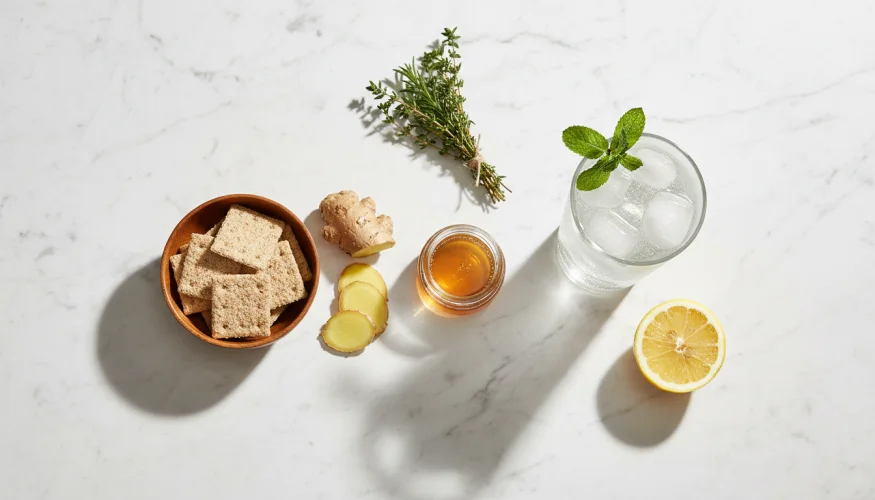
Morning sickness – or rather all-day nausea, as many women know it – is paradoxically one of the factors that can most profoundly transform a woman's relationship with food. A woman who spent her whole life enjoying cooking and experimenting in the kitchen suddenly finds herself repelled even by the sight of an open fridge. She must search for what she can tolerate at all, and this forces her to discover foods she would otherwise never have touched. Plain crackers, dry toast, cold food instead of warm – these are all survival strategies that simultaneously lead to a reassessment of what food actually means.
As American nutritionist and author of books on pregnancy nutrition Lily Nichols puts it: "Pregnancy is a unique opportunity to listen to your body in a way that most of us ignore in everyday life." And this ability to listen is something many women carry with them as a lasting gift long after pregnancy ends.
Nausea also naturally limits overeating and forces women to eat smaller portions more frequently. For women who previously struggled with emotional overeating or, conversely, with a restrictive approach to eating, this enforced change of rhythm can bring surprising relief. The body takes control and thereby paradoxically frees the mind from the constant decision-making about food.
The transition from the first to the second trimester is often described by many women as flipping a switch. Nausea subsides, energy returns, and with it comes a new appetite – both literally and figuratively. It is precisely during this period that many women describe food beginning to taste more intensely than ever before. The colours of vegetables are brighter, the scent of herbs stronger, the taste of ripe fruit sweeter. Some experts attribute this to increased blood flow to the sensory organs; others see a psychological effect – after weeks of aversion, every bite that tastes good is a small victory.
Pregnancy also brings an entirely new perspective on the social dimension of food. Family lunches, restaurant visits, celebrations – all of these suddenly become more complicated. A woman must decline alcohol, avoid certain cheeses, raw meat, or unpasteurised products. These restrictions can be frustrating at first, but they simultaneously lead to deeper reflection on why we eat what we eat. Many women become aware for the first time during pregnancy of how many of their eating habits were more a matter of social custom than conscious choice.
The long-term impact on eating habits after childbirth
The changes that pregnancy brings to a woman's relationship with food do not end with childbirth. Breastfeeding brings new challenges – energy demands increase, the body needs specific nutrients, and the woman must once again think carefully about what she eats. But even women who do not breastfeed carry a changed perspective on eating away from pregnancy. Research suggests that pregnancy can be a pivotal moment for lasting change in eating habits – in both positive and negative directions.
On the positive side stands increased awareness of nutrition, greater attention paid to the composition of foods, and a willingness to try new, healthier alternatives. Women who began reading labels during pregnancy, discovered how much sugar apparently healthy products contain, or took an interest in the origin of food for the first time, very often retain these habits. Caring for a child also naturally motivates home cooking and a reduction in industrially processed foods.
On the other hand, pregnancy can also reinforce unhealthy patterns. Stress, sleep deprivation after childbirth, and emotional exhaustion are classic triggers of emotional overeating. A woman who learned to eat for comfort during pregnancy may carry this pattern into the postpartum period. It is therefore important for women to have access to professional support – whether from a midwife, nutritional counsellor, or psychologist.
Women who suffered from eating disorders before pregnancy represent an interesting phenomenon. For some of them, pregnancy is the first period in which they eat "normally" – because the motivation to protect the child is stronger than their own self-destructive patterns. This shift can be the beginning of genuine recovery, but it requires professional support to ensure that the healthy approach is maintained after childbirth. Organisations such as NEDA (National Eating Disorders Association) or the Czech Centrum Anabell offer specialised support for pregnant women with eating disorders.
One must also not overlook the influence of pregnancy on a woman's relationship with her own body, which is closely intertwined with food. Watching the body grow and change can be very liberating for women with a complicated relationship to their own physical appearance. The body is doing something remarkable, and this functionality can override aesthetic concerns. Food ceases to be an enemy and becomes fuel, building material, care. This shift in viewing food – from control to care – is perhaps the most valuable thing a woman can take away from pregnancy.
The ecological and ethical dimension of eating is also something many women discover for the first time during pregnancy, or with a new intensity. Interest in what the child will eat naturally leads to questions about where food comes from, how it was grown, or whether it contains pesticides. The market for organic food and healthy lifestyle products therefore sees significant interest precisely from expectant and new mothers. This transformation in consumer behaviour can have far-reaching consequences – not only for family health, but also for supporting more sustainable agriculture and food production.
Pregnancy is therefore much more than nine months of waiting. It is an intensive school of listening to one's own body, reassessing established patterns, and building a new, more conscious relationship with food. Whether a woman enters pregnancy as a passionate cook, a strict vegan, or someone who never much cared about food, pregnancy will touch and change her – and if she embraces this change with openness, she can emerge from it with a deeper understanding of herself and of what she truly needs.