

# Nausea in Pregnancy and What Actually Works

Pregnancy nausea is one of those experiences that only someone who has been through it can truly understand. It is not just a mild feeling of stomach unease – for many women, it is an exhausting daily battle that affects work, relationships, and basic life functions. And yet, an incredible number of tips, advice, and home remedies circulate around this topic, only some of which have genuine scientific backing. So how do you tell what actually works from what is merely a myth or a placebo effect?
Medically, pregnancy nausea is referred to as nausea gravidarum and, according to various studies, affects up to 70–80% of pregnant women, with roughly 2% progressing to a severe form called hyperemesis gravidarum, which requires medical care and sometimes hospitalisation. Although it is colloquially called "morning sickness," it can in fact occur at any time of day – morning, afternoon, or night. It most commonly begins around the sixth week of pregnancy and subsides in most women by the end of the first trimester, around the fourteenth week. Some women, however, experience it throughout the entire pregnancy.
The causes have not been fully clarified to this day, but the main role is played by the rapid rise in levels of the hormone hCG (human chorionic gonadotropin) and oestrogens in the early weeks of pregnancy. An interesting hypothesis, being explored by researchers at the University of California, San Francisco, among others, is the theory that nausea serves as a protective mechanism for the foetus – the mother's body rejects foods that might contain harmful substances. This would explain why aversion to alcohol, caffeine, and raw meat occurs so frequently during pregnancy.
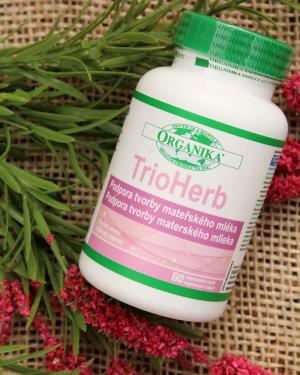
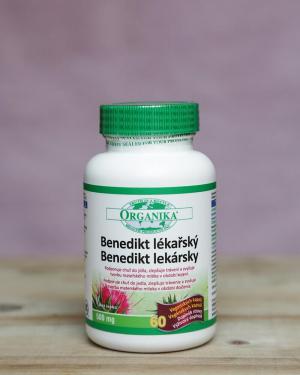
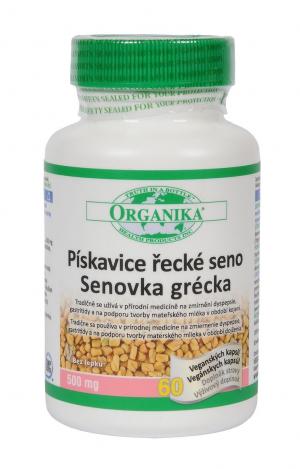
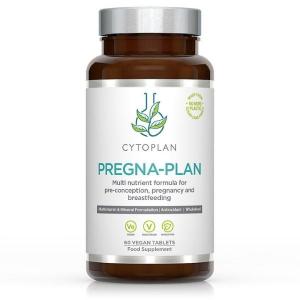
Try our natural products


Ginger, dry biscuits, and acupressure: where is the evidence?
Among the most commonly recommended natural remedies, ginger is undoubtedly at the top of the list. And in this case, science speaks clearly. Several randomised clinical trials, summarised in a review published in the medical journal Obstetrics & Gynecology, confirmed that ginger statistically significantly reduces the intensity of nausea compared to placebo. The active compounds – gingerols and shogaols – act on serotonergic receptors in the digestive tract and suppress nausea approximately as effectively as some over-the-counter medications. Ginger can be consumed in many forms: as tea, candied, in capsules, or as fresh root added to food. A daily dose of around 1 gram appears to be safe and effective, although it is always advisable to consult its use with a gynaecologist.
Dry biscuits or crackers, which grandmothers recommended eating before even getting out of bed, have their rationale more in practical logic than in scientific evidence. An empty stomach demonstrably worsens nausea, and therefore a small, easily digestible meal in the morning can indeed help. However, there is nothing magically special about the biscuits themselves – the same would work with a piece of toast or rice bread. The principle is simple: keep blood sugar levels stable and avoid overloading digestion.
Acupressure at point P6 (also known as Nei-Guan), located approximately three fingers above the wrist on the inner side of the forearm, is another method with a surprisingly solid scientific foundation. Special anti-nausea wristbands, such as those available under the name Sea-Band, utilise precisely this principle. A meta-analysis published in the Cochrane Database of Systematic Reviews suggests that acupressure may be more effective than placebo, although the effect is mild and study results are not entirely consistent. Nevertheless, it is a safe, inexpensive, and easily accessible option that brings relief to many women.
Vitamin B6 (pyridoxine) is one of the few natural remedies that has direct support even in the recommendations of medical organisations. The American College of Obstetricians and Gynecologists (ACOG) lists it as the first-line treatment for pregnancy nausea before resorting to medication. The recommended dose is around 10–25 mg three times daily. The exact mechanism of action is not entirely clear, but the results of clinical studies are consistent. Vitamin B6 is naturally found in foods such as bananas, potatoes, avocado, and whole grains – and it is therefore worth adjusting one's diet before reaching for supplements.
Hydration, scents, and the psychological effect
Consider a specific example: Jana, a thirty-three-year-old teacher from Brno, suffered from intense nausea almost all day during her first trimester. She tried everything – from ginger to lemon water to special pregnancy lollipops. In the end, she found that the most helpful combination was three things: small portions of food every two hours, ginger-flavoured tea, and ventilating the room. "I didn't expect something as simple as fresh air to make such a difference," she says. Jana's story is not exceptional – many women describe a similar experience, where the greatest relief comes not from any specific product, but from a combination of small changes to their daily routine.
Scents and fresh air are precisely the area where science meets individual experience. Strong odours – whether from food, perfumes, or cleaning products – are among the most common triggers of nausea. Pregnant women demonstrably have a more sensitive sense of smell, which may again relate to the protective hypothesis mentioned earlier. The scents of citrus fruits or peppermint are, conversely, often cited as alleviating – but the evidence here is weaker and this is more of an individual response than a universally valid finding.
Hydration plays a key role, even though it is discussed less than ginger or vitamins. Dehydration significantly worsens nausea and can lead to a vicious cycle: nausea causes vomiting, vomiting leads to dehydration, and dehydration further deepens nausea. Small sips of cold or lukewarm water, or ice cubes to suck on, can be surprisingly effective. Sports drinks or coconut water help replenish electrolytes after repeated vomiting.
It is worth mentioning here the limits of placebo. There are a whole range of products – special pregnancy teas, aromatherapy blends, or dietary supplements with exotic ingredients – whose effectiveness is not supported by any solid studies. This does not mean they cannot help: the placebo effect is a real physiological phenomenon, and if a particular tea or scent brings a woman relief, that is a legitimate outcome. The problem arises when these products are sold at high prices with exaggerated promises, or when a woman delays visiting a doctor in the hope that a "natural" solution will resolve the nausea on its own.
As Mayo Clinic points out, it is important to seek medical help if nausea makes it impossible to keep any food or fluids down, if there is significant weight loss, or if nausea is accompanied by severe abdominal pain, fever, or dark urine. These symptoms may indicate a more serious condition requiring specialist care.
Pharmacological treatment of pregnancy nausea has become more accessible and safer in recent years. The combination of doxylamine succinate and vitamin B6 is approved in many countries as a first-line medication and its safety for the foetus is supported by extensive studies. Antihistamines, antiemetics, or in severe cases corticosteroids are further options a doctor may consider. It is important to overcome the prejudice that taking medication during pregnancy is automatically wrong – in cases of severe nausea, pharmacological treatment may be essential for the health of both mother and child.
The psychological dimension of pregnancy nausea tends to be underestimated. Stress and anxiety demonstrably worsen gastrointestinal symptoms in general, and pregnancy is no exception. Techniques such as mindfulness, relaxation breathing, or gentle prenatal yoga can help not only with managing stress but also with alleviating physical symptoms. The point is not to replace medical care with meditation, but rather that a comprehensive approach – physical and psychological alike – yields better results than searching for a single miraculous solution.
Nutrition in the first trimester deserves special attention. Many women find that their body itself asks for certain foods and firmly rejects others. As a general rule, cold foods tend to be better tolerated than hot ones (they have a less intense aroma), fatty and spicy foods worsen nausea, and carbohydrates are typically easier to digest than proteins or fats during the acute phase. Small portions every two to three hours are more effective than three large meals a day. These are not expensive recommendations or complex protocols – they are simple adjustments with a genuine scientific basis that require no special products.
It is telling that despite all the advances of modern medicine, there is still no single universal solution to pregnancy nausea. Every woman is different, every pregnancy is different, and what brings relief to one may be completely useless to another. That is precisely why the best strategy is to combine methods with proven effectiveness – ginger, vitamin B6, acupressure, adjustments to eating habits, and adequate hydration – and to approach advertising claims without scientific backing with healthy scepticism. And if none of that is sufficient, there is no need to suffer in silence: modern medicine has the tools to effectively manage nausea and allow women to experience pregnancy with dignity and as much comfort as possible.