

# Nutrition for Every Trimester of Pregnancy

Pregnancy is one of the most remarkable periods in a woman's life – and at the same time one of the most demanding in terms of what the body needs to function properly. It's not just about generally "eating healthy," as is often said. Each trimester brings different challenges, different demands, and a different pace of the baby's development. Nutrition during pregnancy by trimester is therefore not a fashion trend or an unnecessary complication, but a logical approach to supporting the health of both mother and fetus precisely when they need it most.
Think of it like building a house. In the first phase, you lay the foundation, in the second you build the walls, and in the third you finish the roof and interior. If you were choosing curtains during the foundation phase, that would be nice, but not exactly useful. Nutrition during pregnancy works similarly – the body needs specific nutrients at specific times, because the baby's development proceeds in clearly defined stages.
So let's take a look at what to eat during pregnancy by trimester, why it makes sense, and what specific foods can be the best ally on the journey to a healthy birth.
Try our natural products
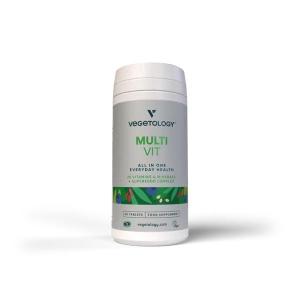
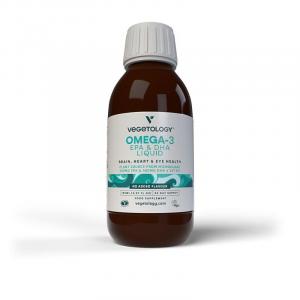
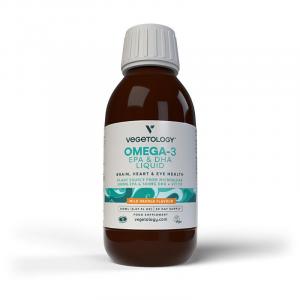

First trimester: foundations that determine everything
The first twelve weeks of pregnancy are a period when all of the baby's basic organ systems are forming. The heart begins to beat, the neural tube closes, and limb buds emerge. It is a period of extraordinarily rapid cell division, and that is precisely why one specific nutrient is key – folic acid, also known as folate.
Folic acid is talked about a lot, and rightly so. The World Health Organization (WHO) recommends an intake of at least 400 micrograms daily even before conception and during the first trimester, because its deficiency is demonstrably linked to a higher risk of neural tube defects, such as spina bifida. Folate is naturally found in dark green leafy vegetables – spinach, kale, broccoli – but also in legumes such as lentils or chickpeas. A practical tip? A bowl of lentil soup several times a week can cover a substantial portion of the daily requirement, and it also satisfies hunger even when the stomach isn't cooperating.
And that brings us to the unpleasant reality of the first trimester: nausea. Many women during this period struggle with morning sickness, which in reality can last all day. Eating healthy sounds great, but what if you can barely keep down a dry roll? In such moments, it's important not to panic. Small, frequent portions of food work better than three large main meals. Crackers, rice cakes, bananas, or ginger tea can help calm the stomach. Once the nausea subsides, it's good to reach for more nutrient-rich foods.
Besides folic acid, iron plays an important role in the first trimester. The volume of blood in a woman's body begins to increase, and iron is essential for hemoglobin production. Red meat, especially beef, is one of the most easily absorbed sources of iron. For those who don't eat meat, excellent alternatives include pumpkin seeds, tofu, or spinach – ideally combined with vitamin C (for example, lemon juice), which significantly enhances iron absorption from plant sources.
The importance of zinc is also noteworthy, though it is discussed less in connection with pregnancy. Zinc is involved in proper cell division and immune function, and its good sources include whole grains, nuts, and eggs. A breakfast of oatmeal with a handful of walnuts and a piece of dark chocolate is therefore not only tasty but also surprisingly functional.
Overall, there is no need to significantly increase caloric intake in the first trimester. The body needs quality rather than quantity – focusing on the nutrient density of every bite is far more important than eating for two.
Second trimester: building material for growth
The second trimester, the period from the thirteenth to the twenty-seventh week, tends to be the most pleasant for many women. Nausea usually subsides, energy returns, and appetite stabilizes. It is also a period when the baby grows significantly – bones strengthen, muscles form, and the brain develops rapidly. And the diet should reflect exactly that.
The key nutrient of the second trimester is calcium. The baby's skeleton is intensively mineralizing, and if the mother does not consume enough calcium from food, the body simply "borrows" it from her own bones. In the long term, this can lead to decreased bone density and a higher risk of osteoporosis later in life. Dairy products – yogurt, cottage cheese, hard cheeses – are classic sources of calcium, but far from the only ones. Sesame seeds, almonds, broccoli, or sardines with edible bones offer calcium even to those who are lactose intolerant or prefer a plant-based diet.
Alongside calcium, vitamin D becomes increasingly important, as without it, calcium from food cannot be properly absorbed. In Czech latitudes, vitamin D deficiency is nearly epidemic, especially during the winter months. Brief exposure to sunlight, fatty fish such as salmon or mackerel, and fortified foods can help, but many experts recommend supplementing vitamin D during pregnancy. However, it is always advisable to consult specific dosing with a doctor or midwife.
The second trimester is also a period when omega-3 fatty acids come to the forefront, specifically DHA (docosahexaenoic acid). DHA is a key building block of the brain and retina, and its adequate intake during pregnancy is, according to the American Academy of Pediatrics, associated with better cognitive development in children. The richest source of DHA is fatty ocean fish – salmon, sardines, herring. Two servings of fish per week are generally considered safe and beneficial, while it is wise to avoid fish with high mercury content, such as shark, swordfish, or bigeye tuna.
For women who don't eat fish, there are dietary supplements based on algal oil that contain DHA from a plant source. And as for specific meals? Baked salmon with broccoli and sesame seeds is an almost perfect second-trimester plate – it combines omega-3s, calcium, protein, and a whole range of vitamins in one delicious meal.
Caloric intake in the second trimester should increase by approximately 300–350 calories per day, which corresponds roughly to one larger snack. It's not much, but it's important that these calories come from nutritionally valuable sources – not from empty calories in the form of sweets and industrially processed foods.
Also worth mentioning are proteins, the need for which increases in the second trimester. Proteins are the basic building material for the baby's growing tissues as well as for the mother's enlarging uterus and placenta. Eggs, legumes, poultry, fish, tofu, and dairy products – all of these are excellent sources that should appear in the diet regularly.
A practical experience from real life illustrates this well. Tereza, a mother of two from Brno, introduced a simple system during her second pregnancy: every day she prepared one "power snack" – such as Greek yogurt with nuts and seeds, hummus with whole grain bread, or a smoothie made from banana, spinach, and almond milk. As she says herself, it wasn't rocket science, but thanks to this habit she felt that her body was getting what it needed without having to count every calorie.
Third trimester: preparing for the finish line
The last three months of pregnancy are marked by final growth and preparation for birth. The baby rapidly gains weight, the lungs mature, and the mother's body prepares for an enormous physical effort. Nutrition in the third trimester should therefore reflect increased energy demands, while also ensuring that problems such as constipation, swelling, or gestational diabetes don't arise.
Fiber becomes a literal lifesaver in the third trimester. The growing uterus presses on the intestines and slows peristalsis, leading to uncomfortable constipation in many women. Whole grains, high-fiber fruits (pears, raspberries, apples with skin), vegetables, and legumes help keep digestion moving. It is also important to drink enough – at least two liters of fluids per day, ideally plain water or unsweetened teas.
Iron remains important in the third trimester as well, because the body is preparing for blood loss during delivery. Many women during this period experience fatigue, which may be caused precisely by iron deficiency. Blood counts should be regularly monitored, and if necessary, supplementation under a doctor's supervision is appropriate. From food sources, it is good to combine beef or lentils with foods rich in vitamin C – such as bell peppers or oranges – for maximum absorption.
The third trimester is also a period when it pays to focus on magnesium. This mineral helps relax muscles, alleviate calf cramps (which are very common in the third trimester), and supports quality sleep. Bananas, avocado, dark chocolate, and whole grain products are pleasant sources of magnesium that can be easily incorporated into the everyday diet.
As the famous American midwife Ina May Gaskin said: "A woman's body in pregnancy is a brilliant machine – but even the best machine needs the right fuel." And that is exactly the point. The third trimester is not a time for dieting or overeating, but for conscious, targeted eating that prepares the body for birth while also supporting the final stages of the baby's development.
Caloric intake in the third trimester should be approximately 400–500 calories per day higher than before pregnancy. This corresponds, for example, to an extra serving of oatmeal with fruit and nuts, or a whole grain toast with avocado and egg. The key is that every meal should have purpose and nutritional value.
Vitamin K should not be overlooked either, as it plays a role in blood clotting and is important for both the mother and the newborn. Green leafy vegetables – spinach, kale, arugula – are its best natural sources. A salad of fresh arugula with avocado, Parmesan, and lemon dressing can therefore be not only a tasty lunch but also a thoughtful step toward better health.
Eating during pregnancy doesn't have to be complicated or stressful. It's not about perfection, but about mindfulness. Knowing what the body needs in each trimester gives women the ability to approach their diet with confidence and calm. And calm is perhaps the most important ingredient of all during pregnancy – because a content and well-nourished mother is the best start she can give her child.