

# Why Does the Body's Reaction to Alcohol and Caffeine Change with Age As we get older, our bodies
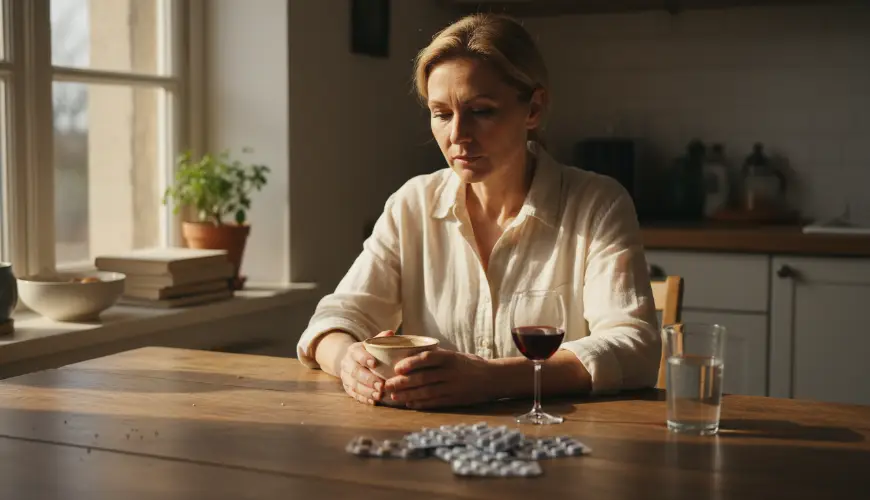
Everyone who has crossed the forty mark knows that moment of surprise: a glass of wine that once meant nothing more than a pleasant relaxation at dinner suddenly causes a pounding headache before midnight. Or an afternoon cup of coffee that never disrupted sleep in younger years begins causing tossing and turning until the early hours. It's neither imagination nor oversensitivity – the body truly changes with age, in ways that fundamentally affect how it processes two of the most common substances in everyday life: alcohol and caffeine.
This change is neither sudden nor dramatic. It comes gradually, imperceptibly, year by year – and most people only become aware of it when their body starts reacting in ways that catch them off guard. Understanding what lies behind it is not merely an academic matter. It's about practical knowledge of one's own body that can significantly affect the quality of everyday life.
Try our natural products
What happens inside the ageing body
The human body undergoes a range of physiological changes with age that are well documented. One of the most important is the gradual decline in the body's water content. While a young adult is made up of approximately 60–65% water, in older individuals this figure can drop to 50% or less. Why does this matter? Because alcohol dissolves in the body's water. The less water the body contains, the higher the concentration of alcohol in the blood from the same amount of drink consumed. In other words, the same glass of beer or wine will produce a measurably higher blood alcohol level in a fifty-year-old than in a thirty-year-old – even at the same body weight.
On top of this come changes in the liver, the primary organ responsible for metabolising alcohol. With age, blood flow through the liver decreases and the activity of enzymes – particularly alcohol dehydrogenase – that break down alcohol declines. The result is that alcohol remains in the bloodstream longer and its effects are more intense even at lower doses. Studies published in journals such as Alcohol Research have repeatedly confirmed that older adults are more sensitive to the effects of alcohol than younger people, even when controlling for body weight and overall health status.
Another factor is the change in body fat composition. With advancing age, the proportion of fatty tissue generally increases while muscle mass decreases. Fatty tissue does not absorb alcohol – which again contributes to its higher concentration in the blood. The outcome is therefore complex: less water, a less active liver, more fat. This trio of variables together ensures that the same amount of alcohol produces a stronger and longer-lasting effect in an older person.
A similar story applies to caffeine, though the mechanisms are somewhat different. Caffeine works by blocking adenosine receptors in the brain – adenosine is a substance that induces feelings of sleepiness, and caffeine temporarily suppresses its action. With age, however, the sensitivity of these receptors changes and caffeine metabolism in the liver also slows. The half-life of caffeine – the time it takes the body to eliminate half of an ingested dose – lengthens with age. In a young, healthy adult it takes approximately three to five hours; in older individuals it can be considerably longer, particularly if they take certain medications or have reduced liver function.
Why we feel it differently than before
Knowing what happens at the biochemical level is not enough – it is equally important to understand why these changes so significantly affect everyday experience. Consider a specific example: Jana, a fifty-two-year-old teacher, had got into the habit of having a glass of red wine every evening as a ritual to close out the working day. For years it worked without issue. Then she began noticing that she was waking up at two or three in the morning, unable to fall back asleep, and feeling tired and irritable in the morning. At the same time, it seemed to her that one glass was affecting her more than it used to. She hadn't changed the brand of wine or the amount. She herself had changed – or more precisely, her body had.
This scenario is very typical. Alcohol disrupts sleep quality, even in small amounts. While it may help with falling asleep, the second half of the night tends to be restless, as the body processes the alcohol and the brain shifts into lighter sleep phases. In younger people this effect is less pronounced because alcohol leaves the body more quickly. In older people it persists longer – and waking during the night becomes the rule rather than the exception.
The same applies to caffeine sensitivity. Many middle-aged people begin to find that an afternoon coffee, which never bothered them before, now causes insomnia, a racing heart, or heightened anxiety. It's not that caffeine has suddenly become "stronger" – it's that the body processes it more slowly, so its stimulating effect lasts longer. A cup of coffee drunk at one in the afternoon may still have a significant amount of caffeine circulating in the bloodstream at eleven at night.
Hormonal changes that accompany middle and later age also play a role. Women going through the menopause experience dramatic hormonal fluctuations that can further increase sensitivity to both alcohol and caffeine. Oestrogen affects alcohol metabolism, and its decline during perimenopause can cause women to respond to alcohol differently than before. Sleep architecture also changes – older people naturally sleep more lightly and for shorter periods, making them more vulnerable to anything that disrupts sleep further.
As American gerontologist and ageing researcher Dr. David Sinclair once noted: "Ageing is not a disease – it is a biological process that changes the rules of the game. The sooner we accept this, the better we can adapt." And adaptation is precisely the key.
How to respond to these changes in practice
Recognising that the body's response to alcohol and caffeine changes with age is the first step. The second – and perhaps more important – step is knowing what to do about it. This is certainly not about scaremongering or moralising; it's about making informed decisions regarding one's own health.
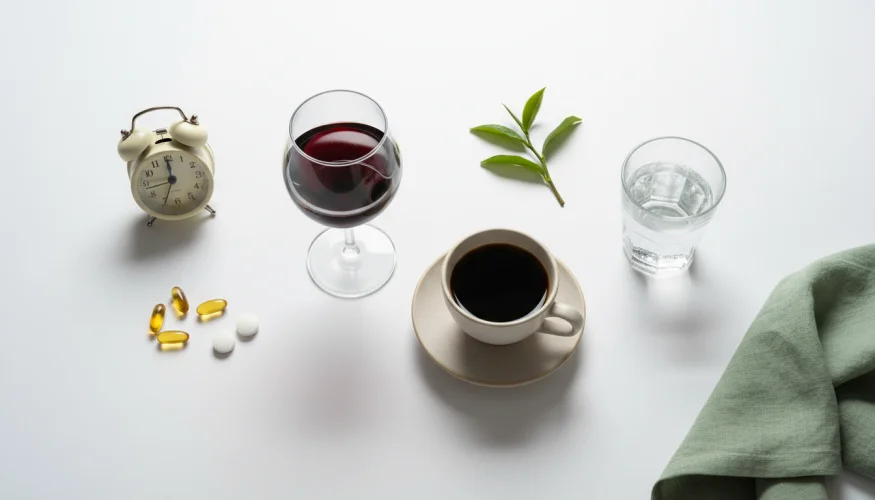
When it comes to alcohol, professional organisations such as the World Health Organization or the Czech Centre for Addiction Treatment recommend that older adults reassess their relationship with alcohol in light of their increased physical sensitivity. This does not necessarily mean complete abstinence, but rather a conscious awareness of quantity, timing, and context of drinking. Smaller amounts, longer intervals, and avoiding alcohol in the late evening hours can significantly improve sleep quality and overall wellbeing.
Similar logic applies to caffeine. Moving the last coffee of the day to an earlier hour – ideally before noon or in the early afternoon – is a simple measure with a surprisingly large impact on sleep quality. Some middle-aged people find they do better switching to beverages with lower caffeine content, such as green tea, which contains L-theanine – a compound that moderates the sharp stimulating effects of caffeine and promotes calmer focus without jitteriness.
It is also important to monitor interactions with medications. Many people in middle and older age take various medications regularly – for blood pressure, cholesterol, antidepressants, or sleeping aids. A number of these affect the metabolism of alcohol and caffeine, or their combination can be directly dangerous. Certain antibiotics or heart medications, for example, can cause serious adverse reactions when combined with alcohol. It is always worth discussing this with a doctor or pharmacist.
Hydration is also worth mentioning. Because the ageing body naturally contains less water, dehydration is a greater risk factor. Alcohol also acts as a diuretic – it increases urine output and contributes to further dehydration. Adequate water intake, particularly throughout the day and when consuming alcohol, can alleviate many of the unpleasant side effects.
Greater attention to what the body takes in and how it responds naturally becomes part of self-care in middle and later life. It's not about giving up life's pleasures – it's about experiencing them consciously. A glass of good wine with Sunday lunch can be just as enjoyable as before, simply with the awareness that the body will process it somewhat differently and that it's worth adjusting the rest of the day accordingly. A morning coffee can remain a ritual that starts the day – it just means knowing when to stop.
The ageing of the body is inevitable, but its consequences are not predetermined. Understanding how the body's response to substances like alcohol and caffeine changes gives every person a tool that can genuinely influence their daily wellbeing, sleep quality, and long-term health. And that is information worth knowing – whether you are forty, fifty, or seventy.