

# What Does Standing All Day at Work Do to Your Body? Standing workstations and **standing desks**

Modern work environments have undergone significant transformation over recent decades. Where people once spent hours sitting at a desk, a growing number of employers are now transitioning to so-called standing desk solutions or working on one's feet as part of the active workplace trend. However, the notion that standing is "healthier than sitting" is only half the truth. Standing all day at work is no less harmful to the body than sitting all day – just in a different way and with a different set of health complications that rarely get discussed.
Take Martina, for example, a supermarket cashier who stands for seven to eight hours a day in nearly the same position. After several months, she began complaining of pain in her calves, swollen ankles, and uncomfortable cramps in her lower back. Her story is not unusual – on the contrary, it is very typical for millions of people who spend most of their working hours on their feet. Nurses, shop assistants, cooks, hairdressers, teachers, and manufacturing workers – all of these people face similar physical strain, which receives surprisingly little attention in public debate.
Try our natural products
How the body responds to prolonged standing
The human body is designed for movement, but not for standing motionless in one place. When a person stands for several hours without a break, the muscular system must work continuously to maintain an upright position. At first this seems undemanding, but as time passes, this seemingly passive activity begins to generate a whole range of problems.
One of the first signals is fatigue and pain in the lower limbs. The muscles of the calves, thighs, and feet are under constant pressure while standing. Blood that would normally be pumped back to the heart through movement begins to stagnate in the lower parts of the body. The result is swelling, a feeling of heavy legs, and in the long term, the development of varicose veins. According to a study published in the journal Occupational and Environmental Medicine, prolonged standing at work is associated with nearly double the risk of developing cardiovascular disease compared to sedentary professions – precisely because of the increased strain on the circulatory system.
The spine and joints are another area where all-day standing takes a significant toll. Static standing causes uneven loading of the intervertebral discs and joints in the lower back, knees, and hips. People naturally seek relief positions – shifting weight from foot to foot, tilting their hips, leaning against various objects. These compensatory movements provide short-term relief, but in the long term lead to muscular imbalances and chronic pain. It is therefore no surprise that back pain is among the most common occupational diseases of all.
Less obvious but equally serious is the long-term impact of standing on the vascular system. The veins in the lower limbs must overcome gravity and push blood upward toward the heart. To do this, they need the assistance of the surrounding musculature – and that is precisely what is lacking during static standing. Vein walls gradually weaken, varicose veins develop, and in extreme cases deep vein thrombosis may occur. People who stand for more than four hours a day should therefore not underestimate this issue.
Surprisingly, standing also has a significant impact on mental wellbeing and cognitive performance. The fatigue that sets in after several hours of standing is not merely physical. The brain, which must continuously regulate balance and muscle tension, becomes just as tired as the body. The result is reduced concentration, irritability, and an overall decline in work performance. Chronic fatigue from prolonged standing can thus negatively affect both the quality of work produced and the employee's overall wellbeing.
What can be done? Practical approaches that actually work
The good news is that most of the negative effects of all-day standing can be managed, or at least significantly reduced, with the right approach. The key word here is movement – not standing itself, but alternating it with other positions and activities.
Experts in ergonomics and occupational medicine agree that the ideal working day should be neither purely sedentary nor purely "standing." The World Health Organization recommends interrupting long static postures with short movement breaks every thirty to forty-five minutes. Even a brief walk to the bathroom, a stretch in the corridor, or a few squats behind the checkout counter can significantly reduce the strain on the circulatory and musculoskeletal systems.
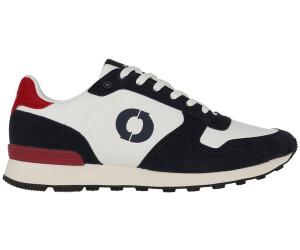
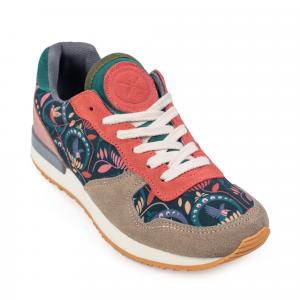
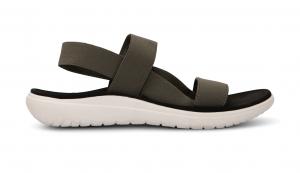
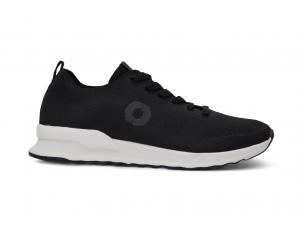
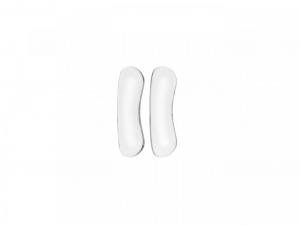
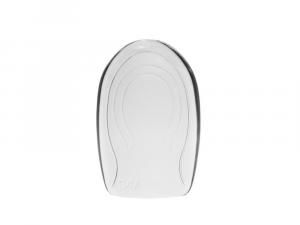
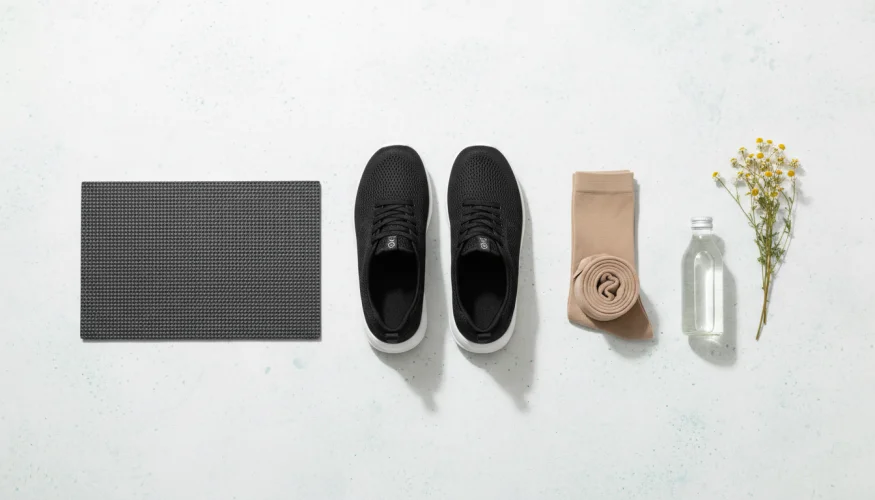
Footwear and the surface underfoot also play a crucial role. Proper work shoes with quality cushioning soles and anatomically shaped insoles can significantly reduce pressure on the feet, knees, and spine. Likewise, non-slip ergonomic mats, which are now widely available, absorb some of the impact and reduce fatigue in the lower limbs. For those looking for quality solutions in the area of ergonomic aids for the home and workplace, Ferwer.cz, for example, offers products focused specifically on a healthy lifestyle and wellbeing during everyday activities.
Compression stockings or knee-highs are another tool that should not be overlooked. Their mechanism is simple: gentle pressure on the lower limbs supports venous return and prevents blood from pooling in the calves and ankles. These aids are available in pharmacies and specialist shops, and wearing them regularly while working on one's feet can significantly contribute to the prevention of varicose veins.
As German orthopaedic surgeon Professor Hans-Rudolf Weiss once said: "The spine dislikes nothing more than monotony – whether that means monotonous sitting or monotonous standing. Movement and alternating positions are the best medicine." This thought captures the essence of the entire problem: it is not about whether a person sits or stands, but about whether they give their body sufficient variety and movement.
Diet and hydration play a surprisingly important and often overlooked role when working on one's feet. Dehydration impairs tissue circulation and increases muscle fatigue. People who work standing up should therefore make sure to drink fluids regularly – ideally plain water or herbal teas. It is also advisable to avoid heavy meals during working hours, which put a strain on the digestive system and can worsen the feeling of heaviness in the legs.
Recovery after work is just as important as prevention during it. Evening stretching focused on the calves, hamstrings, lower back, and feet helps release accumulated tension. Elevating the legs – that is, placing them higher than the level of the heart – for twenty to thirty minutes after returning home significantly supports blood drainage from the lower limbs and speeds up recovery. Many healthcare workers and retail employees practise this simple ritual as part of their daily routine.
It is also important to mention the psychological dimension of the matter. Employees who are required to stand without the option of sitting often describe a feeling of losing control over their own bodies and working conditions. The freedom to choose – that is, the ability to alternate between standing and sitting according to one's own needs – has a demonstrably positive effect on job satisfaction and overall wellbeing. Employers who offer their people this flexibility are investing not only in their health, but also in their motivation and performance.
An interesting trend in recent years is the emergence of so-called anti-fatigue mats and ergonomic pads combined with movable elements, such as balance boards or special mats with massage nodules. These products activate the small muscles of the feet and calves even while standing, thereby mimicking natural movement and preventing blood stagnation. Their effectiveness has been confirmed in several ergonomic studies, and their popularity in Europe and North America is growing rapidly.
The impact of all-day standing on the joints – particularly the knees – must also not be overlooked. The knee joint is subjected to constant pressure while standing, which is further multiplied by inappropriate footwear or an uneven surface. People who are overweight or pregnant are particularly vulnerable in this regard. For them, all-day standing can accelerate degenerative changes in the joint and lead to premature osteoarthritis. Regular strengthening of the muscles surrounding the knee – the quadriceps and hamstrings – is therefore one of the key preventive strategies.
A question worth considering is: why is so little said about the health risks of all-day standing, while the issue of a sedentary lifestyle is discussed at every turn? The answer probably lies in the fact that standing is intuitively perceived as "active" and therefore healthy. This misconception needs to be overcome, and standing in a static position must be recognised for what it truly is – a physically demanding strain with real health consequences.
Taking care of the body when working on one's feet is not a luxury or an indulgence – it is a necessity. Whether it involves proper footwear, ergonomic aids, compression stockings, regular breaks, or conscious recovery after work, every step toward greater care for the musculoskeletal and circulatory systems pays off in the long run. A body that is exposed to static strain every day deserves conscious and regular attention – because health that is neglected today will return tomorrow as pain, fatigue, or chronic illness.