
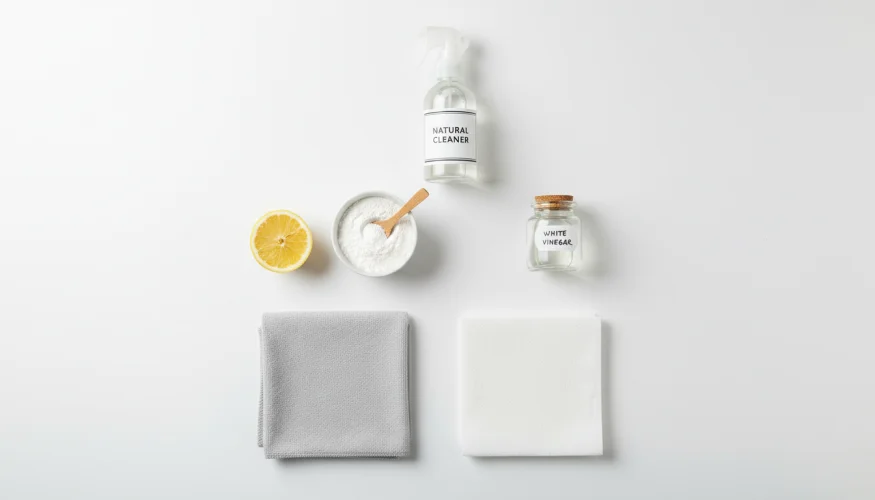
# Cleaning a Stainless Steel Sink from Water Stain Marks Step by Step ## What You Will Need - Whit

Everyone who has a stainless steel sink at home knows that unpleasant sight. You washed it carefully just a moment ago, and yet there they are – dull, discoloured stains resembling a geographical map, seemingly resistant to every cleaning product in the house. These characteristic limescale maps are not just an aesthetic problem. If left untreated over the long term, they can damage the surface of the steel and shorten the lifespan of the entire sink. Yet the solution is surprisingly simple and usually requires no special products from the drugstore.
Limescale forms completely naturally – it is a deposit of minerals, primarily calcium and magnesium carbonate, which accumulate over time wherever water evaporates. In areas with hard water, such as Prague, Brno, or much of central Bohemia, this problem is particularly pronounced. According to data from the State Health Institute, Czech tap water is among those with above-average hardness, which explains why so many households struggle with limescale maps. The more minerals the water contains, the faster and more visibly deposits form – and in a stainless steel sink, where water flows, stagnates and evaporates every day, this process is practically continuous.
Try our natural products
Why limescale maps are so stubborn and what actually works against them
The tricky nature of limescale lies in its chemical composition. Calcium carbonate is an alkaline compound, which is why standard neutral dish-washing detergents are practically ineffective against it – they merely wet the surface and move dirt around without actually dissolving the mineral deposits. Breaking down limescale requires acid, and this is where several tried-and-tested household helpers come into play.
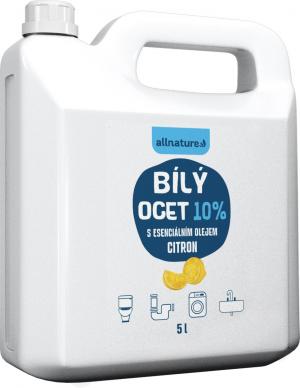
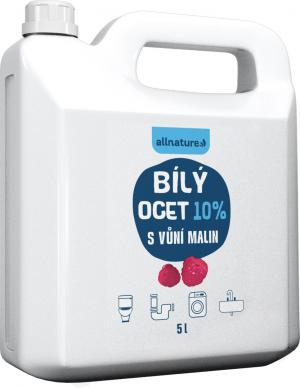
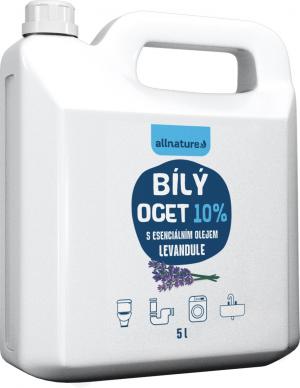
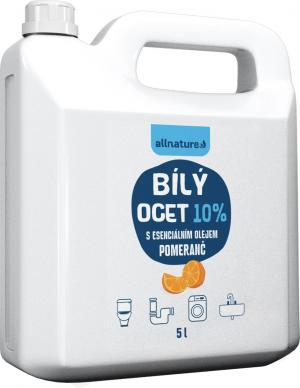
The most accessible and at the same time gentlest solution is white vinegar. Acetic acid, its main active ingredient, reacts with calcium carbonate and literally dissolves it. The process is very straightforward: simply dampen a paper towel or cloth with white vinegar, place it on the affected areas and leave it to work for at least twenty minutes, ideally a full hour. For heavier deposits that have been building up unnoticed for months, it is worth using vinegar heated to approximately forty degrees – the heat speeds up the chemical reaction and helps penetrate even deeper layers of build-up. Once the contact time has elapsed, simply wipe the sink gently with a soft cloth or nylon brush and rinse with warm water.
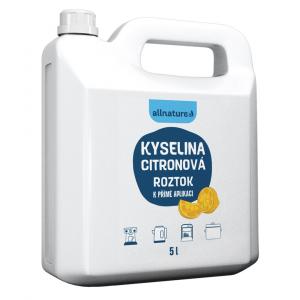
A second excellent option is citric acid, which is in many respects even more practical than vinegar – it has no strong smell and is readily available in every supermarket. The recommended amount is approximately two tablespoons of citric acid dissolved in half a litre of warm water. The resulting solution can be applied to the sink using a spray bottle, left to work and then wiped off. Citric acid is particularly effective on fresher deposits and for routine maintenance, while for older, dried-out limescale maps it may be necessary to repeat the process twice or extend the contact time.
There is also a third approach, favoured by those who have toothpaste or baking soda at home. A paste made from baking soda and a little water creates a mildly abrasive mixture that helps mechanically break up the surface of the deposit – however, care is needed. Overly aggressive scrubbing or the use of coarse steel wool can leave scratches on the steel, into which limescale and dirt will catch even more easily in the future. The golden rule is: always clean in the direction of the steel's grain, that is, along the visible lines on the sink's surface, never across them.
Imagine a situation that is entirely common in Czech households: a young family moves into a new flat with a gleaming stainless steel sink and keeps it in perfect condition for the first few months. Then a busy period arrives – children, work, renovation – and the sink receives lower priority. After half a year, the owners look with surprise at what appears to be a relief map of Central European rivers embossed directly into the metal. It is precisely in such a situation that a combined approach proves its worth: first, applying a warm vinegar solution for a longer period, then gentle mechanical cleaning with a citric acid and baking soda paste, and finally thorough rinsing and drying. The results are often surprisingly good even in cases where the sink seemed irreparably damaged.
Prevention is always easier than cleaning
Once the limescale maps have been successfully removed and the sink is gleaming again, the key question arises: how to prevent the problem from recurring? The answer is simple, even if it requires a little discipline in practice.
The most effective prevention is regularly drying the sink after every use. This may sound like unnecessary extra work, but ten seconds with a microfibre cloth is all it takes, and the minerals in the water have no chance to settle, simply because they have no time to evaporate and leave white marks behind. Anyone who has once spent hours removing hardened deposits will quickly come to appreciate this habit.
A second effective helper is regular – for example weekly – application of vinegar or citric acid as preventive maintenance. This need not be any elaborate ritual: simply wiping the sink once a week with a cloth dampened in vinegar, leaving it for five minutes and rinsing is sufficient. This prevents small, still-soft deposits from turning into hard and stubborn maps.
Some homeowners swear by protective products based on mineral oils or special waxes for stainless steel, which create a thin hydrophobic film on the surface. Water then runs off the sink much more easily and minerals have nowhere to anchor. These products are not particularly expensive and their application takes only a few minutes – yet the result can remain noticeable for several weeks.
It is worth mentioning that the choice of cleaning products matters not only in terms of effectiveness, but also in terms of environmental impact. Vinegar and citric acid are naturally biodegradable substances that do not burden wastewater with aggressive chemicals. At a time when more and more households are looking for ways to reduce their ecological footprint, this solution is doubly attractive – it works excellently and at the same time does not harm nature. As Greenpeace notes: "The best cleaning product is one that effectively fulfils its function without leaving toxic traces in the environment."
It is also useful to know what to avoid when cleaning a stainless steel sink. Chlorine-based products and bleaches are unsuitable for stainless steel – they can cause corrosion and permanently damage the surface. Similarly, steel wool or abrasive sponges with a coarse surface should not be used. If the limescale problem is truly severe and household remedies are insufficient, there are specialist acidic cleaning gels designed specifically for stainless steel, available in drugstores or online shops focused on ecological cleaning – it is always important to check that the product is safe for food-grade stainless steel and meets ecological standards.
Caring for a stainless steel sink is actually a good example of how small, regular habits can prevent major problems. The sink is one of the most frequently used items in the entire household – litres of water pass through it every day, hundreds of dishes every year, and yet it is expected to look like new. With a little attention, the right products and an understanding of how limescale actually forms, this is an entirely achievable goal – and moreover without the need to reach for aggressive chemicals or call a plumber.