

Hydration is fundamental, improving concentration, skin, and digestion.
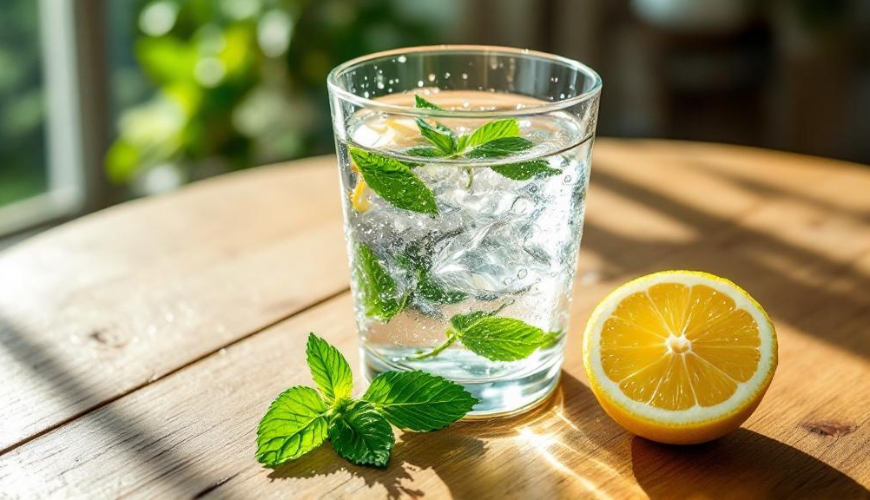
Water might be the most inconspicuous "nutrient" in our diet, yet it is surprisingly central to many everyday problems. Mid-morning fatigue, dry skin, headaches, poor concentration, or constipation often lead us to seek complex explanations, while the very first question could be: how much has one actually drunk today? Hydration and drinking habits are not just a topic for athletes or hot summer days. In practice, it's a small but crucial habit that affects the health of the body both inside and out – from blood circulation to digestion to skin condition.
At the same time, it’s fair to admit that saying "drink more water" is easier than doing it. Some people simply forget, others don't like the taste of water, and some don't want to constantly run to the bathroom. However, there are simple, non-intrusive strategies to maintain a proper and adequate drinking regimen without turning it into a stressful project.
Try our natural products
Why it’s important to drink enough: the body inside and out
The body is largely composed of water, and water functions within it as a quiet "logistics system." It helps transport nutrients, supports thermoregulation (cooling through sweating), contributes to kidney function and waste elimination, and affects blood volume and pressure. When hydration is chronically low, the body naturally tries to conserve – which can manifest subtly: darker urine, dry mouth, less energy, poorer heat tolerance, sometimes even irritability. This isn't about fearmongering, but rather a reminder that the feeling of "something's not right today" could just be a signal that fluids are missing.
The visible aspect often motivates people the fastest. Hydration and skin condition are related, though simply drinking water won't solve acne or wrinkles. However, adequate fluid intake usually helps prevent the skin from looking tired and tense, and supports natural processes occurring within it. The same can be said for hair and nails – other factors also play a role (proteins, minerals, hormones), but a drinking regimen is one of those "basic building blocks" without which the house is harder to build.
Then there's digestion. Water helps keep stools soft and supports regularity, which anyone who has dealt with constipation will appreciate. For people who eat more fiber (such as when transitioning to a healthier diet), a sufficient water intake is especially important – fiber without water can paradoxically be more of a hindrance than a help.
When discussing why it’s important to drink enough and stay hydrated, the topic of performance and concentration often comes up. Even mild dehydration can impair attention and mood in some people, which is why drinking should be considered part of the "mental hygiene" of the workday. For a comprehensive, scientifically grounded reading on hydration, resources like the water and hydration page from Harvard T.H. Chan School of Public Health or general recommendations and contexts summarized by EFSA – European Food Safety Authority (an authority in the European context, though specific recommendations vary by age and situation) can be useful.
"Thirst is a late signal – the body calls out only when something is already missing." This phrase appears frequently in health recommendations and holds some truth: relying solely on thirst may not pay off for some people (especially those under stress, in air-conditioned offices, or seniors).
How much to drink and how to know if your drinking regimen is "just right"
There is no universal number that fits everyone. Fluid needs change according to weight, temperature, activity, diet (soups, fruits, and vegetables also provide water), health status, and whether one spends the day outdoors or in a dry, heated room. Still, it can be said that it’s more useful to follow several practical guidelines rather than chase the "magical eight glasses."
The simplest check is the color of urine – light yellow usually indicates that hydration is decent, while a darker shade might mean it's time to drink more. Exceptions exist (B vitamins can significantly color urine), but for an ordinary day, this is relatively reliable.
Another guideline is the rhythm of the day. Many people try to "catch up" on drinking in the evening, but then sleep becomes interrupted. In practice, it's better to spread fluids throughout the day: replenish with a glass in the morning after waking, sip throughout the morning, maintain a pace in the afternoon, and drink as needed in the evening. A proper and adequate drinking regimen often doesn’t look like large doses, but like small, regular reminders.
And what about coffee and tea? The myth that coffee "dehydrates" is now viewed more cautiously. For people accustomed to caffeine, the diuretic effect is typically balanced, and drinks like coffee or tea count toward fluid intake in a certain way. However, it’s still true that if a drinking regimen is based mainly on strong coffee, the body often notices – with dry mouth, nervousness, fluctuating energy. It's much nicer when coffee remains a joy and the foundation is formed by water and unsweetened beverages.
Minerals also come into play, especially during sports and heat. When one sweats significantly, they lose not only water but also electrolytes. In a regular day, a varied diet usually solves this, but during prolonged exertion, it may make sense to include mineral water or a rehydration drink (ideally without unnecessarily high sugar). It’s always good to stick to simplicity: most people mainly need to drink regularly, not complicated "hacks."
Tips on how not to forget to drink enough water (and what to drink if plain water doesn’t taste good)
The most common obstacle is not a lack of information, but forgetting. A typical scenario: rushing in the morning, back-to-back meetings in the morning, a quick stand-up lunch, afternoon fatigue, and in the evening realizing that only two coffees and one glass of water were consumed. Yet a few small environmental adjustments can make a big difference.
A practical example from real life: in one ordinary office, there was a long-standing issue that people drank too little and then complained of headaches. It wasn’t solved by any big program, but a small change – everyone got their own bottle and a carafe was added to the table. Suddenly, water "appeared" right before their eyes, and because it was accessible, drinking became automatic. After a few weeks, it became a habit. The point is simple: water needs to be visible and easily accessible.
When it comes to how not to forget to drink, gentle triggers work best:
- A glass of water first thing in the morning – as the first action after waking, before the day starts.
- A bottle within reach – ideally the same, favorite, comfortable to hold; even design surprisingly makes a difference.
- The "a few sips when transitioning" rule – before leaving home, upon arriving at work, after returning from the bathroom, before lunch.
- Drinking with meals and between meals – meals remind us, but gaps between them tend to be the largest.
- Smart reminders – some find an app helpful, others a simple note on the monitor; the key is that it’s not annoying.
Now to a frequently asked question: what to drink if plain water doesn’t taste good? It’s more common than admitted. Some don’t like the "tap taste," others find water boring, and some have sensitive stomachs to carbonated drinks. The good news is there are many ways to make water more enjoyable without turning the drinking regimen into a sugary ride.
A very simple trick is natural flavoring: a slice of lemon, lime, cucumber, a few mint leaves, a piece of ginger, or a few crushed raspberries. This creates a subtle flavor that invites drinking, yet it’s still essentially water. In summer, unsweetened chilled herbal tea works, while in winter, warm tea is preferable – sometimes the body doesn’t want cold drinks, and then drinking is postponed.
Another option is unsweetened teas (herbal, fruit, and green). With fruit blends, it’s good to ensure they’re not sweetened, but purely dried fruit and herbs can be a pleasant way to get more fluids into the day. Some people also enjoy gently sparkling water – the bubbles add "experience" and make drinking more fun; just be mindful if it irritates the stomach.
Juices and sweetened sodas often mix into the drinking regimen. Here, it’s useful to keep a simple rule: if a drink has a lot of sugar, it quenches thirst only briefly, and the body gets energy it may not need at all. An occasional juice is fine, but it’s not suitable as the foundation of hydration. For those who want flavor without sugar, try water with a few drops of quality fruit concentrate without sweeteners, or homemade "iced tea" from herbs and citrus.
Food can naturally be part of the drinking regimen – soups, watermelon, cucumber, oranges, strawberries, or yogurt. These aren’t a substitute for drinking, but on days when fluids are scarce, they can pleasantly help. If the problem is the taste of tap water, sometimes trying filtration or a different source can make a difference (for some, it even matters if they drink from plastic, glass, or stainless steel). Drinking enough in practice is often about finding a variant that is pleasant, not perfect.
Interestingly, taste preferences can change rapidly. Those used to sweet drinks might initially find plain water "tasteless." But as sugar is gradually reduced, the brain resets its perception, and water begins to feel refreshing. Gradual dilution helps – for instance, juice half and half at first, then just "flavor" water with a small amount.
In everyday life, it also pays to be mindful of situations where hydration often falls: traveling, fieldwork, long calls, running around with kids. That’s where it makes sense to have a refillable bottle on hand and a drink that is enticing. Tips on how not to forget to drink enough water are often essentially tips on how to simplify drinking as much as possible.
And what if a "drinking crisis" occurs – headaches, fatigue, dry mouth? It helps to drink gradually, not to gulp down a liter at once. The body handles fluids better when they come continuously. If heat or sport is added, it’s good to also replenish minerals – sometimes mineral water suffices, other times salty food and water.
The drinking regimen often presents as a banal piece of advice, but in reality, it’s one of the most practical habits of a healthy lifestyle. When you manage to find your own rhythm, a favorite bottle, a few tasty options, and unobtrusive reminders, hydration stops being a task and becomes second nature. That’s the moment when the benefits for the body’s health inside and out begin to appear without grand promises – in better energy throughout the day, more pleasant digestion, and the feeling that the body "functions" a bit more smoothly.