

# The Most Reliable Tips and Tricks for Removing Lice in Children
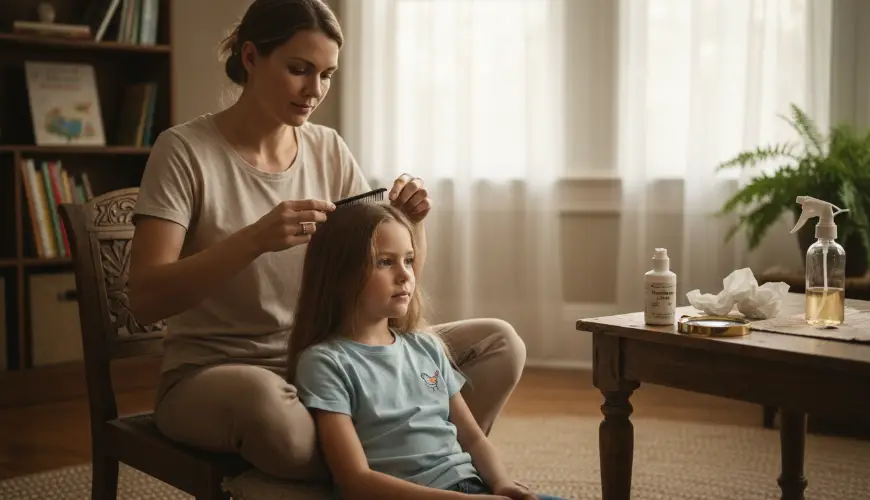
Every parent knows it – a message arrives from school or kindergarten that head lice have been detected in one of the children, and mild panic immediately sets in. Lice are one of the most widespread parasites that preschool and school-age children encounter, and although the problem is as old as humanity itself, a whole range of myths and misunderstandings still circulate around it. The good news is that a lice infestation is no reason for shame or despair – with a little patience, the right tools and knowledge, it can be dealt with quite easily.
Head lice, or Pediculus humanus capitis, are small wingless insects that live exclusively on the human scalp and feed on blood. Contrary to what many people believe, lice do not indicate negligence or uncleanliness – on the contrary, they prefer clean hair because they can move more easily and attach their eggs, known as nits, more readily to it. They spread through direct head-to-head contact, which is why schools, children's camps, after-school clubs and playgrounds are the most common places where they are found – essentially anywhere children gather and naturally come into contact with one another.
Try our natural products
How to recognise lice and where to look for them
The first symptom parents usually notice is intense itching of the scalp, particularly behind the ears, at the nape of the neck and along the hairline. The itching is caused by an allergic reaction to the salivary substances that lice secrete when feeding on blood. Not every child experiences itching, however – in some children, the immune response only develops after several weeks, meaning an infestation can occur completely without symptoms and will only be revealed by a thorough inspection.
When checking hair, it is helpful to know what lice and nits look like. An adult louse is approximately 2–3 mm in size, greyish-brown in colour and moves very quickly – which is why it can be difficult to spot with the naked eye. Nits, on the other hand, are firmly attached to the hair shaft close to the scalp, are white to yellowish in colour and, unlike dandruff, cannot simply be blown away or shaken off. Confusing nits with dandruff is one of the most common mistakes in home diagnosis.
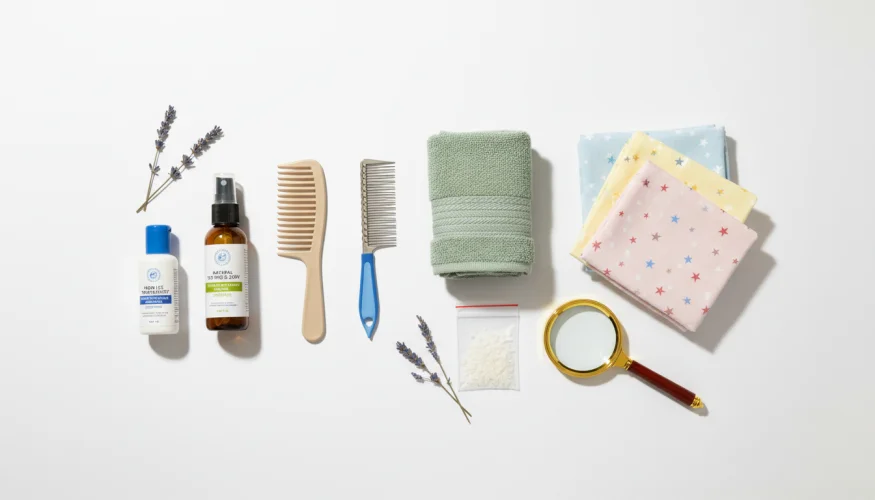
The most reliable method of inspection is to examine the hair in good daylight or under a lamp, preferably with a magnifying glass and a fine-toothed comb. The hair is divided into sections and carefully examined centimetre by centimetre, with particular attention paid to the areas behind the ears and at the nape of the neck. The World Health Organization and many paediatricians recommend carrying out such an inspection regularly – ideally once every two weeks – regardless of whether the child is experiencing itching or not.
Consider a situation that occurred in one Prague family: a mother named Markéta noticed that her seven-year-old daughter Eliška was constantly scratching her head. At first, she attributed it to dry skin caused by winter heating. It was only after two weeks, when a message came from school about a lice outbreak in the class, that she took a magnifying glass and a fine-toothed comb and, during a thorough inspection, discovered not only nits but also several live lice. Thanks to the fact that she did not waste any time and immediately began treatment, she managed to resolve the problem within a single weekend.
How to get rid of lice safely and effectively
Once an infestation is confirmed, it is important to act quickly and systematically. There are several tried-and-tested methods, and the best results are achieved by combining them.
The foundation of treatment is mechanical removal – that is, carefully combing the hair with a special fine-toothed comb, preferably after applying conditioner or a specialist product that immobilises the lice and nits and makes them easier to remove. Combing is carried out in small sections from the roots to the ends of the hair, and after each stroke the comb is wiped on a damp paper towel. This process must be repeated every two to three days for at least two weeks, in order to catch any lice that have hatched from nits that survived the initial treatment.
Alongside mechanical combing, there are dimethicone-based products – a silicone oil that works physically by blocking the breathing pores of lice and causing them to suffocate. Unlike older insecticidal products, it does not cause resistance and is gentle on the skin, making it suitable even for young children. Dimethicone-based products are available in pharmacies, and their effectiveness is confirmed by clinical studies, including one published in the specialist journal BMC Infectious Diseases, which found significantly higher efficacy of dimethicone compared to traditional insecticides in both single and double treatments.
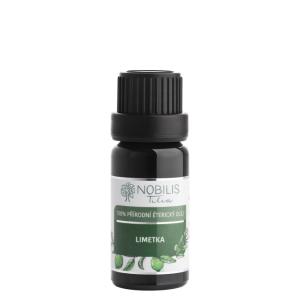
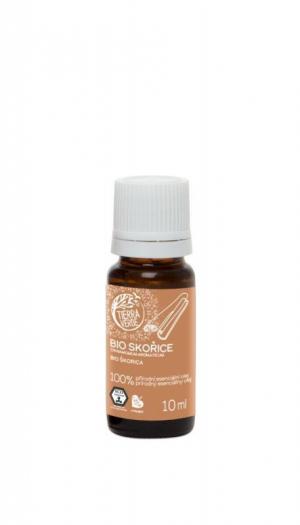
There are also products based on natural essential oils, such as tea tree oil, eucalyptus or lavender, which have repellent properties and can form part of a prevention strategy. For the treatment of an active infestation, however, they are generally insufficient – their effectiveness is lower compared to dimethicone or professional products, and is less well supported by scientific evidence.
With regard to the home, it is important to know that lice cannot survive without a host for more than 24 to 48 hours – they simply cannot live without human blood. It is therefore not necessary to disinfect the entire home. It is sufficient to wash bedding, clothing and hats that the child has been using at a temperature of at least 60°C, or to place them in a sealed plastic bag for 48 hours. Combs and brushes should be submerged in hot water or soaked in vinegar. Pillows and soft toys that cannot be washed can simply be placed in the freezer for two days or stored in a sealed bag for 48 hours.
As British dermatologist Dr Sarah Jarvis said in an interview with the BBC: "Lice are part of childhood and the best weapon against them is informed parents, not panic." And she is right – the more calmly and systematically a parent handles the situation, the more quickly they will overcome it.
Prevention: how to reduce the risk of infestation to a minimum
Preventing head lice is not particularly complicated, but it does require consistency and regularity. The most effective prevention is regular hair inspection, ideally once every two weeks, regardless of whether a lice outbreak has been reported at school or not. The earlier an infestation is detected, the more easily it can be treated.
Children with longer hair should keep their hair tied up in a ponytail, bun or braids, particularly in environments where direct contact with other children is likely. Loose hair comes into contact with another child's hair far more easily. These simple measures significantly reduce the likelihood of transmission.
A further step is to teach children not to share personal items – hats, scarves, brushes, combs or headphones. While lice are transmitted primarily through direct contact, sharing these items increases the risk, especially when the exchange takes place in quick succession.
To supplement prevention efforts, there are also natural repellent products available on the market in the form of sprays or shampoos containing essential oils that repel lice. Their effectiveness is not one hundred percent, but as a complement to other measures they can be helpful. On the Ferwer.cz website, products that are gentle on children's skin can be found, combining natural ingredients with a focus on safety and ecology.
An important part of prevention is also open communication between the school and parents. If a parent discovers that their child has lice, they should promptly inform the class teacher or school nurse, so that other parents can be alerted and further spread can be prevented. This cooperation is crucial – without it, lice can continue to spread within a group despite the best efforts of individual families.
It is also worth noting that lice do not transmit any serious diseases – unlike other parasites such as ticks or mosquitoes. Their presence is unpleasant and causes itching, but the health risk to the child is minimal. The exception is cases where a child scratches the scalp severely and secondary bacterial infections develop, but even these are easily treatable.
In terms of frequency of occurrence, the statistics speak clearly: according to estimates from the National Institute of Public Health, lice infestations affect approximately 10% of school-age children in the Czech Republic each year, with the peak occurring at the beginning of the school year and after the holidays, when children return from camps and summer stays. This simply confirms that it is an entirely common phenomenon that almost every family with children will encounter sooner or later.
Treating the entire household as a unit also deserves special attention. If an infestation is confirmed in one child, it is advisable to check all members of the family – siblings, parents and grandparents who come into direct contact with the child. Lice spread easily and without regard for age, so treating only one family member while overlooking the others leads to unnecessary repetition of the entire process.
The fight against lice therefore rests on three pillars: rapid and thorough detection, systematic and patient treatment, and regular prevention that becomes a natural part of the family routine. None of these steps is complicated in itself, but together they form reliable protection. And if lice do come knocking one day – and statistically speaking, they probably will – there is no need to despair. With a little calm, the right products and a measure of patience, it is something every parent can handle.