

Try homemade spreads without mayonnaise
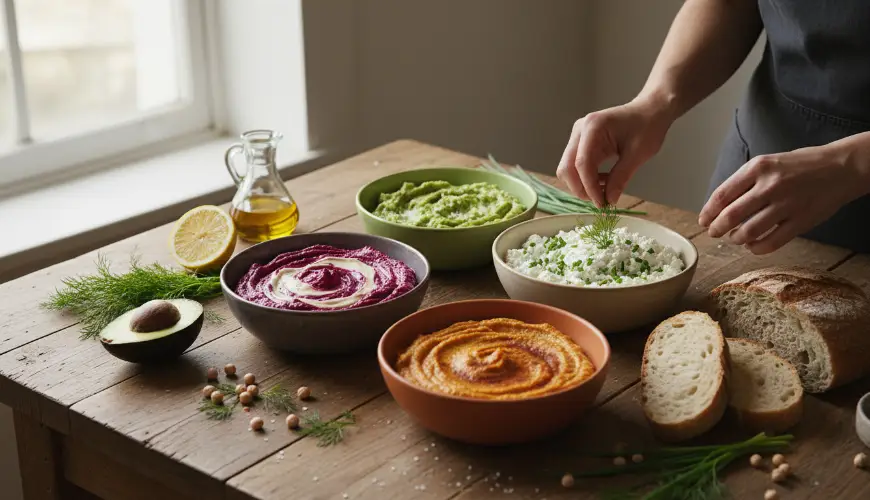
Mayonnaise is one of those ingredients that found its way into spreads almost as a matter of course. It became the default binding agent, without which many people cannot even imagine preparing a spread. And yet there is a whole world of flavours, textures and ingredients that not only fully replace mayonnaise, but elevate the resulting taste of a spread to an entirely different level. Homemade spreads without mayonnaise are no compromise – they are a conscious choice made by those who want to eat better, lighter and with greater enjoyment.
The trend of moving away from industrially processed foods is not just a passing fashion. Over the past few years, more and more people have been taking an interest in what they actually eat, where their food comes from and what it does for them. Shop-bought mayonnaise may taste acceptable, but if we look at its ingredients, we encounter a whole range of added stabilisers, preservatives and low-quality vegetable oils. Homemade alternatives can be just as creamy, just as tasty – and yet contain only what we actually want them to contain.
Try our natural products

Why look for alternatives to mayonnaise?
The answer to this question is not just about calories. Of course, mayonnaise is among the fattier foods, and replacing it with lighter bases – such as cottage cheese, avocado or hummus – can reduce caloric intake. But far more important is the overall approach to the composition of spreads. Bases without mayonnaise bring proteins, healthy fats, fibre or probiotics into the diet – nutrients that truly benefit the body.
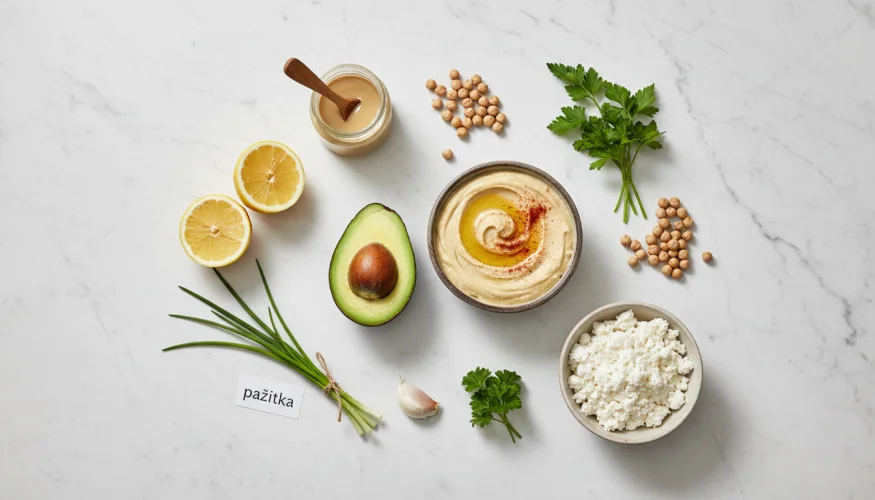
Take cottage cheese, for example. It is rich in protein and has a naturally creamy consistency that works wonderfully as a base for herb or vegetable spreads. Cottage cheese spread with chives and garlic is a classic that never disappoints – simply mix cottage cheese with chopped chives, a little garlic, salt and pepper, and the result is fresh, light and full of flavour. Greek yogurt works in a similar way, being even thicker and naturally tangy, giving the spread a pleasant freshness.
Another popular alternative is legumes. Chickpeas, lentils or white beans, once cooked and blended, transform into a smooth, nutritious base that takes on virtually any seasoning. Hummus – a spread made from chickpeas with tahini, lemon juice and garlic – is very popular in the Czech Republic today, but few people know that the same principle works with other legumes too. Red lentil spread with cumin and paprika, for instance, is wonderfully colourful, delicious and yet incredibly simple to prepare.
Avocado deserves special mention. Thanks to its high content of healthy unsaturated fats, it is naturally creamy and, combined with lemon juice, salt and a little chilli, creates classic guacamole that works just as well as a spread as it does as a dip. Avocado is also rich in potassium, vitamin E and a whole range of antioxidants – as noted by the Harvard T.H. Chan School of Public Health, it is one of the most nutritionally valuable fruits of all.
Inspiration from around the world: spreads worth trying
Interestingly, most of the world's cuisines know a whole range of spreads that do not use mayonnaise at all. Middle Eastern cuisine offers not only hummus, but also baba ghanoush – a creamy spread made from roasted aubergine with tahini and garlic, which has a smoky, deep aroma. Mediterranean cuisine works with olive oil, sun-dried tomatoes and herbs in a way that is still somewhat exotic to us, yet enormously delicious.
Let us pause for a moment on one specific real-life example. Jana, a thirty-three-year-old mother of two from Brno, stopped buying ready-made spreads from the shop after reading the ingredients list on the label of a favourite tuna salad. She decided to try making her own version – tinned tuna, mashed white beans instead of mayonnaise, a little mustard, lemon juice and fresh parsley. The result was so good that the whole family accepted it without hesitation. "I didn't expect it to be so simple and yet so good," says Jana. Today she prepares a different spread every week, and it has become a small family ritual.
Experiences like these show that switching to homemade spreads without mayonnaise need not be any kind of sacrifice. On the contrary – it can be the beginning of discovering new flavours and combinations that one might never otherwise have tried.
Cheese-based spreads are another category that deserves attention. Ricotta, cottage cheese or soft goat's cheeses have a naturally creamy texture and a distinctive flavour, so they need no additional binding agent. Ricotta with lemon zest, honey and walnuts, for example, is an excellent choice for breakfast – it combines sweet and savoury in a way that surprises. Cottage cheese with radishes, dill and a little olive oil, meanwhile, is reminiscent of classic summer spreads that taste best with fresh bread straight from the bakery.
Plant-based alternatives have gained enormous popularity in recent years – and not only among vegans. Nut-based spreads – almond, cashew or sunflower seed – are an excellent source of healthy fats and protein. Simply soak the nuts overnight, blend them with a little water, lemon juice, garlic and your favourite seasoning, and the result is a surprisingly creamy spread that holds its own alongside the "classic" ones. They also work wonderfully in sweet versions – almond spread with cocoa and dates, for example, is a healthy alternative to Nutella that delights both children and adults.
Beetroot is a vegetable that is being added to spreads ever more frequently. Its naturally earthy, mildly sweet flavour pairs beautifully with goat's cheese or chickpeas. Roasted beetroot spread with a little tahini and lemon juice is also visually stunning – its deep purple colour catches the eye immediately, and the flavour does not disappoint. Beetroot is also rich in nitrates, which research suggests contribute to cardiovascular health, as confirmed by studies published in the academic journal Nutrients.
It is worth noting that many traditional Czech spreads contain no mayonnaise at all – or at least did not in their original form. Processed cheese spread with paprika, homemade crackling spread or a simple spread made from boiled eggs with mustard and onion are examples of recipes passed down from generation to generation that have no need for mayonnaise. As gastronomic historian and writer Ondřej Chrobák puts it: "Czech cuisine is far richer and more varied than most people think – and its strength lies precisely in the simplicity and quality of its ingredients."
An important role is also played by choosing the base ingredient according to what the season currently offers. In spring, herbs are ideal – nettles, wild garlic or spinach can be blended with cottage cheese or ricotta to create a fresh spring spread full of vitamins. In summer, fresh vegetables take centre stage – grilled peppers, tomatoes or courgettes make an excellent base for light Mediterranean spreads. In autumn, pumpkin comes into its own – blended with roasted garlic, thyme and a little olive oil, it creates a creamy, warming spread that pairs wonderfully with dark bread. In winter, legumes and nuts step in to provide energy and warmth.
Preparing homemade spreads is, moreover, a matter of just a few minutes. Most bases simply need to be blended in a food processor or with a hand blender – and the result is immediate. Spreads keep in the fridge for several days, so they can be prepared in advance and always be on hand as a quick and healthy snack. Glass jars or eco-friendly containers made from sustainable materials are ideal for storage – they are kind to the environment and keep food fresh at the same time.
For inspiration and new recipes, it can be useful to follow websites focused on healthy eating or vegetarian cuisine. The BBC Good Food website, for example, offers hundreds of recipes for spreads and dips without mayonnaise, neatly organised by ingredient and occasion.
The basic rules for a good spread without mayonnaise are actually very simple:
- Base – cottage cheese, legumes, avocado, nuts, cheese or vegetables
- Acidity – lemon juice or vinegar for freshness and balance of flavours
- Fat – olive oil, tahini or nut butter for creaminess
- Flavour – garlic, herbs, spices or mustard for depth and character
- Seasonality – fresh ingredients according to the time of year for the best result
The choice of quality ingredients plays a key role. Organic legumes, fresh herbs or quality cold-pressed olive oil – these are the ingredients that give a spread its true flavour and at the same time deliver maximum nutrients to the body. Organically grown ingredients also contribute to a more sustainable way of eating that is kind not only to ourselves, but to the planet as well.
Homemade spreads without mayonnaise are therefore far more than just an alternative for those avoiding fat or counting calories. They are an expression of an approach to food that places emphasis on freshness, quality and variety. And it is precisely this variety that makes everyday cooking enjoyable – because by combining good ingredients with a little culinary courage, one can create a spread that surprises, delights and perhaps becomes a new family favourite.