
# Proper storage of onions, garlic, and potatoes so they don't sprout
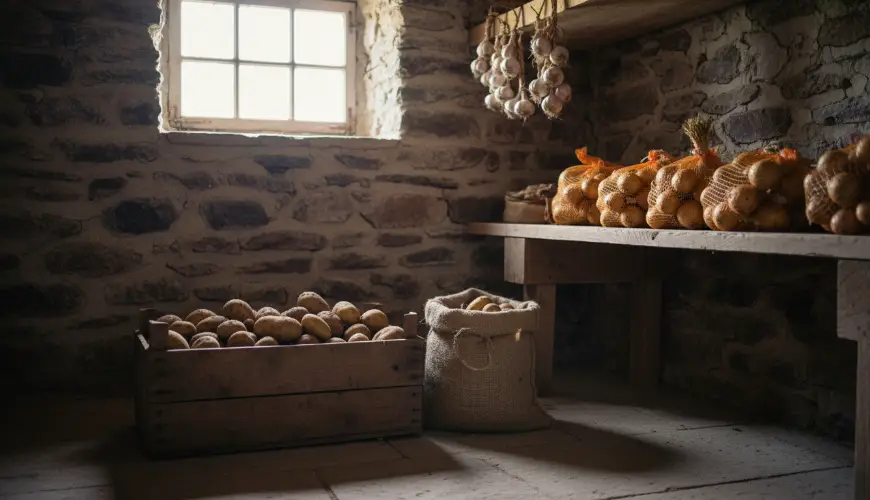
Autumn brings joy from a bountiful harvest, but also a concern that troubles many households: how to keep onions, garlic and potatoes fresh throughout the winter months, so they remain fresh, firm and free from unwanted sprouts? Sprouting is not just an aesthetic problem - germinated vegetables lose their flavour, nutrients and shelf life, and in the case of potatoes can even pose a health risk. Yet proper storage of these three staple foods is no rocket science - you just need to know a few key principles.
Many people think it's enough to put vegetables in a cellar or pantry and the problem is solved. But reality is more complex. Onions, garlic and potatoes each have different requirements for temperature, humidity and air circulation, and when these conditions get mixed up, the result is often spoiled produce before Christmas even arrives. Let's take a look at what each of these crops actually needs.
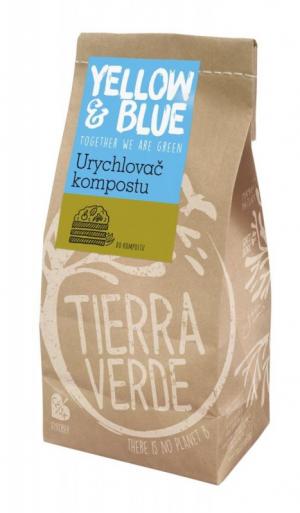
Try our natural products

Potatoes: darkness, cold and no company with onions
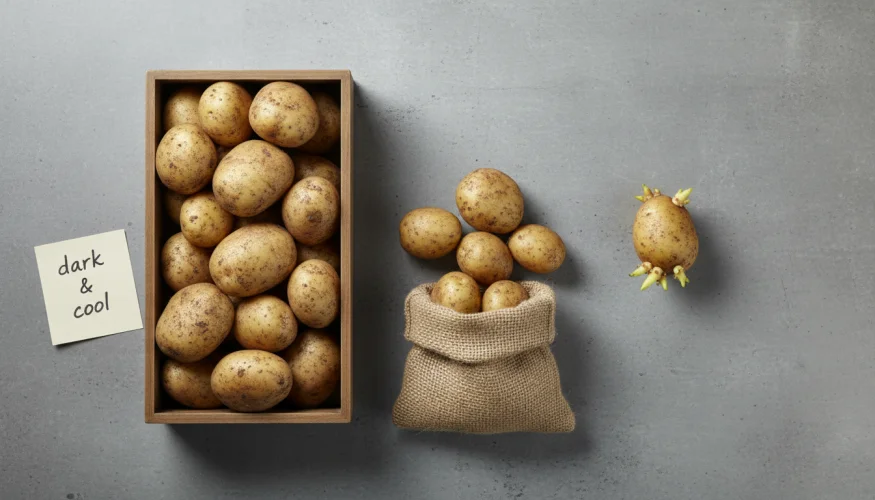
Among the three crops mentioned, potatoes are the most demanding when it comes to proper conditions. Their greatest enemy is light - even the faint light filtering through a cellar window. When exposed to light, potatoes begin to produce solanine, a naturally occurring alkaloid that is toxic in higher doses. This is precisely why they should be stored in complete darkness, ideally in wooden crates or jute sacks that allow air circulation while preventing light from penetrating.
The optimal temperature for storing potatoes is between 3 and 8 degrees Celsius. At higher temperatures, potatoes quickly sprout and soften; at lower temperatures - such as in a freezing cellar - starch begins to convert to sugars and the potatoes develop an undesirable sweet flavour. The ideal location is therefore a cool but frost-free cellar, garage or pantry on the north side of the house.
A fundamental mistake that many households make is storing potatoes together with onions. Onions release ethylene gas and moisture, which dramatically accelerate the sprouting of potatoes. Experienced gardeners therefore always insist that these two crops be physically separated - ideally in different rooms or at least in different containers on opposite sides of the cellar.
If potatoes do begin to sprout, small shoots can be cut off and the potatoes can still be used - it's important to check that the tubers are not green or soft. Any green areas must always be carefully cut out, as this is where solanine concentrates most heavily. According to information from the British Food Standards Agency (FSA), heavily greened or sprouted potatoes should preferably be thrown away.
Another practical tip is to thoroughly dry potatoes before storing them and never store them wet, straight from the field or after washing. Moisture encourages rot, which then spreads to surrounding tubers surprisingly quickly. One rotten potato really can spoil an entire sack - this folk saying has a firm basis in reality.
Onions and garlic: dryness, air and a net instead of a bag
While potatoes love moisture and cold, onions and garlic need the exact opposite: a dry environment with good air circulation. This is precisely why the plastic bags that supermarkets use to package vegetables are one of the worst possible ways to store onions or garlic at home. In a sealed bag, moisture accumulates, leading to mould and rot - even after a relatively short storage period.
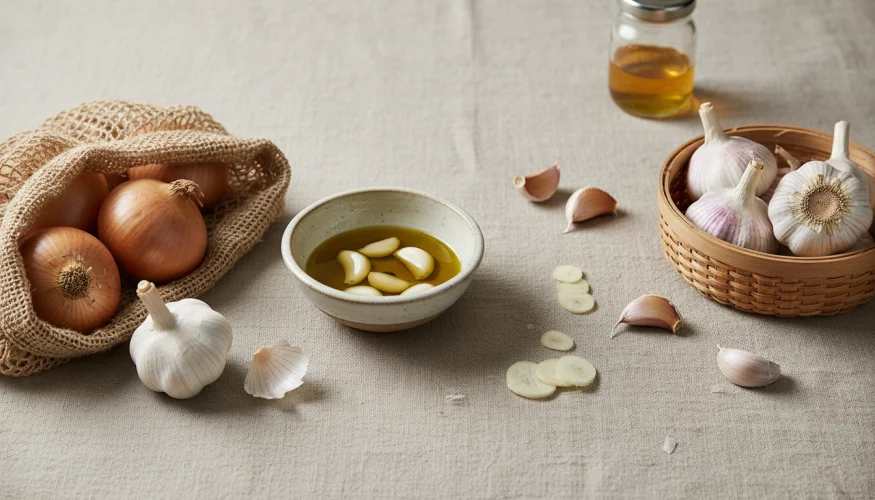
The best solution for onions is mesh bags, baskets or wooden crates with gaps, which ensure a constant supply of fresh air. Onions should be stored at a temperature between 0 and 10 degrees Celsius, in a dry and dark place. Well-dried, undamaged onions can last four to six months under the right conditions. If you don't have a cellar, a cool hallway, pantry or even a hanging mesh bag in the kitchen will do - as long as it's not directly above the cooker, where heat and cooking moisture prevail.
Garlic has similar requirements but is even more sensitive to moisture. Whole garlic bulbs will keep for three to five months when stored correctly, while peeled cloves in the refrigerator will last at most a week or two. A traditional method that still works excellently today is braiding garlic into plaits and hanging them in a dry, airy place. This is not merely a decorative feature of country kitchens - it is a genuinely functional way to keep garlic in good condition throughout the winter.
A situation familiar to many households serves as a practical example: in autumn, a kilogram bag of onions is bought, placed in a plastic bowl on the kitchen counter, and within three weeks half of them are soft or mouldy. Simply moving the onions to a mesh basket and placing it in a cooler pantry, however, allows the same quantity to last two months without any problem. Such a small change, such a significant difference.
It is also important to pay attention to the condition of vegetables when buying or harvesting them. Neither onions nor garlic should have any visible damage, mould or soft spots. Damaged pieces should be used first, as they spoil faster and can jeopardise the surrounding healthy ones. Regular inspection of stored supplies - perhaps once every two weeks - makes it possible to catch problems in time.
An interesting alternative for long-term garlic preservation is pickling in olive oil or vinegar, or alternatively freezing. Both whole peeled cloves and grated or sliced garlic can be frozen. Frozen garlic will lose its crunch, but its flavour and aromatic compounds remain preserved - and it's then immediately to hand in the kitchen without the need for peeling.
Why vegetables sprout and how to prevent it
Sprouting is a natural biological response of plants to the conditions of their surrounding environment. Onions, garlic and potatoes are essentially storage organs containing the energy needed to produce a new plant. As soon as the temperature rises, light increases or humidity goes up, the plant "thinks" that spring has arrived and begins to germinate. The sprouting process can be slowed down, but cannot be stopped entirely - it is simply a matter of how long we can keep vegetables in optimal conditions.
As British garden writer Monty Don once noted: "The best way to preserve a harvest is to mimic the conditions in which the vegetables would naturally overwinter in the ground." And that is really the whole secret - cold, darkness and moderate humidity.
There are also products that slow down sprouting - for example, special sprays based on natural substances such as chlorogenic acid or mint essential oils. In commercial agriculture, a substance called chlorpropham (CIPC) was used to suppress potato sprouting, but it has been banned in the European Union since 2020 due to its potentially negative impact on health. Home growers and enthusiasts of an organic lifestyle therefore tend to turn to natural alternatives instead - for example, storing potatoes together with apples, which release ethylene and paradoxically slow down potato sprouting (unlike onions, which have the opposite effect).
Another popular trick is placing a bag of chalk or a natural moisture absorber in a container with onions or garlic. Chalk absorbs excess moisture and keeps the environment dry - it is a simple and inexpensive way to extend the shelf life of a harvest without any chemicals.
Modern households without access to a cellar can also make use of specialised vegetable storage containers, which simulate ideal conditions - they are made from materials that regulate humidity and have ventilation openings. Such containers are available in shops specialising in healthy living and eco-friendly products, and represent an elegant solution for city flats without a pantry.
Whether dealing with a large harvest from a home garden or supplies bought at a farmers' market, investing in proper storage always pays off. Not only does it save money (less discarded vegetables means fewer unnecessary expenses), but it also reduces food waste - a topic that is becoming increasingly pressing in the context of a sustainable lifestyle. According to data from the United Nations Food and Agriculture Organization (FAO), approximately one third of all food produced worldwide is thrown away, and a large proportion of these losses arise precisely from improper storage at home.
Handling onions, garlic and potatoes correctly is therefore not just about practicality - it is also a small but meaningful step towards a more responsible approach to food and natural resources. And that is a value that goes beyond the mere freshness of vegetables in a basket.