

Homemade plant-based spreads can help you when you want a quick, balanced meal.
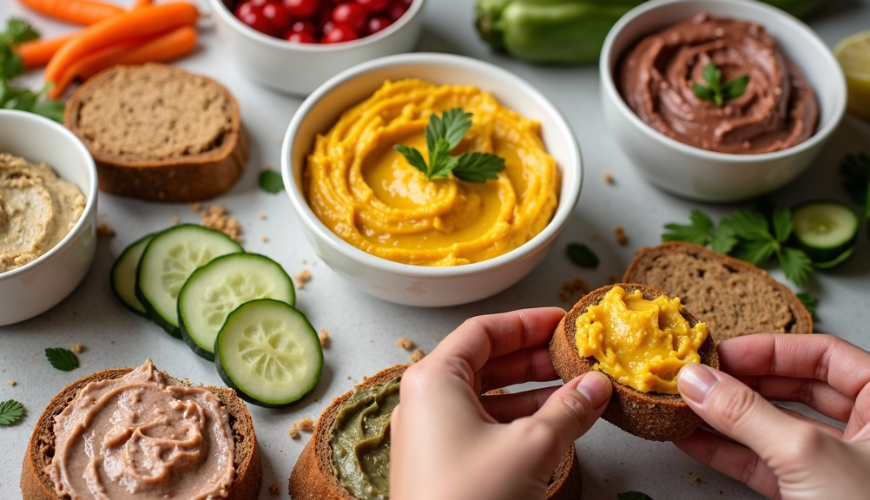
Whoever has stood in front of the fridge in the evening wondering "what to quickly put on bread, so it's not just a coincidence and hunger?" knows how easily a balanced meal can turn into improvisation. And this is where homemade plant-based spreads surprisingly hold a strong position: they are simple, versatile, wallet-friendly, and planet-friendly, and with good composition, they can be truly filling. Moreover, they can be prepared to taste "homemade," even for those who otherwise can't do without cheese or ham.
A plant-based spread is not just a substitute. When done well, it's a full-fledged part of the diet: it brings proteins from legumes, healthy fats from nuts and seeds, fiber that maintains more stable energy, and room for vegetables and herbs. This is a combination that makes sense not only as a snack but even as a quick dinner when complemented with salad or soup.
Try our natural products


Why Homemade Plant-Based Spreads Make Sense (and Their Health Benefits)
The reason plant-based spread recipes are spreading through kitchens so rapidly is simple: they are small "building blocks" for everyday eating. In one bowl, you can combine a legume, fat, acidity, salt, and something aromatic – and suddenly, you have a meal that spreads well, combines excellently with bread and vegetables, and can be prepared in advance.
From a nutritional standpoint, the biggest advantage is that the spread can be intentionally balanced. Legumes (chickpeas, lentils, beans) bring proteins and fiber. Nuts and seeds (walnuts, sunflower, sesame, pumpkin) provide fats and minerals. Vegetables add volume and micronutrients, while herbs and spices add flavor, so there's no need to "overdo" the impression of boldness with excessive salt.
When discussing health benefits, much depends on the overall context of the diet, but some points are recurrent. A higher fiber intake is often associated with better satiety and support for healthy digestion; regular consumption of legumes is a long-studied topic and appears across nutritional recommendations in various countries. For guidance, the World Health Organization's healthy diet recommendations emphasize variety, plenty of vegetables, and limiting excess salt and saturated fats. Plant-based spreads fit into this picture very naturally – especially when made at home, where you have control over the ingredients.
And there's another practical aspect: homemade spreads often help with meal regularity. When there's a container in the fridge that lasts two to four days, it's much easier to reach for something reasonable even when there's no time to cook. That's their "quiet" strength.
"The best spread is one that you make without stress from what you already have at home – and you know you're giving your body something extra."
Tips for Nutritious and Tasty Spreads: Simple Rules That Always Work
To make tips for nutritious and tasty spreads truly usable, it pays to follow a few kitchen principles. These aren't dogmas, but proven shortcuts that make a spread taste "finished" and not just a blended mush.
The base often relies on legumes. Chickpeas provide smoothness, lentils a more earthy flavor, and white beans can be surprisingly creamy. If using canned legumes, it's good to rinse them – not only for taste but also for better digestibility. If you have time, you can cook legumes in advance and freeze them; making a spread then becomes a matter of minutes.
The second layer is fat, which creates texture and satiety. Olive oil, tahini, nut butter, avocado, or even plain sunflower seeds blended with a bit of water. Here, you can play beautifully with how "light" or hearty the meal should be.
The third layer is acidity and salt – lemon, lime, apple cider vinegar, pickled cucumbers, capers, tamari. Without acidity, a spread can be flat, but with it, it suddenly "sings." And salt? Use sparingly. Garlic, onion, sun-dried tomatoes, smoked paprika, cumin, herbs, or nutritional yeast can add a gently "cheesy" note.
The fourth layer is something fresh or crunchy. Grated carrot, celery stalks, chopped nuts, seeds, spring onion. Even a small detail can change the impression of the entire spread.
Then there's the practice of everyday life. One of the most common mistakes is trying to make a spread "diet" by omitting fat entirely. The result tends to be watery, and you'll be hungry in an hour. Just a small amount of quality fat can make a portion more than just an appetizer for further snacking.
Real-Life Example: When a Spread Saves the Workweek
Imagine a typical situation: Monday morning, meetings in the diary, picking up kids in the afternoon, just fatigue in the evening. In such a week, bread with "something spread on it" and coffee often win. But if two containers are made on Sunday evening – for example, chickpea with roasted garlic and lentil with carrot – the same scenario becomes much more stable. In the morning, rye bread is spread, a tomato or cucumber is added, and a few carrot sticks are packed. Suddenly, both snack and quick dinner are sorted without needing to cook every day. And importantly: you feel like you're eating "normal food," not just an emergency measure.
Quick Plant-Based Spreads and Recipes Suitable for Every Day
Speed is often crucial. Quick plant-based spreads don't mean compromise – rather, a smart use of pantry items. Canned legumes, seeds, spices, and acidic components can create something in ten minutes that can be eaten for several days. Adding vegetables and quality bread makes for a truly balanced meal.
Below is the only list in the article – as an inspiration, not a strict meal plan. Each recipe can be adjusted according to taste and what's available at home.
7 Ideas for Homemade Plant-Based Spreads (with Quick Variations)
-
Chickpea Spread in the Style of Hummus
Base: chickpeas, tahini, lemon, garlic, olive oil, salt. For a smoother texture, add a bit of ice water when blending. Variation: smoked paprika and cumin for a "grill" taste, or roasted beetroot for a sweeter tone and color. -
Lentil Spread with Carrot and Cumin
Base: cooked red lentils (or canned), sautéed onion, grated carrot, cumin, pepper, a teaspoon of mustard. Red lentils are great because they cook quickly and create a creamy consistency without lengthy blending. -
Bean "Pâté" with Smoked Paprika
Base: white beans, garlic, smoked paprika, marjoram, a splash of lemon or vinegar. For satiety, add walnuts or sunflower seeds. This type of spread tastes great even to those who usually aren't fans of legumes. -
Avocado Spread with Lime and Herbs
Base: avocado, lime, salt, pepper, cilantro, or parsley. To increase protein, you can add mashed white beans or chickpeas; the taste remains fresh, but the meal "holds" longer. -
Sunflower Seed Spread "Like Cottage Cheese"
Base: soaked sunflower seeds (ideally overnight, at least 30 minutes in a pinch), lemon, garlic, salt, water as needed. Flavor with chives, dill, or spring onion. The texture can surprise – it's smooth and slightly tangy. -
Roasted Vegetable Spread
Base: roasted pepper, zucchini, or eggplant (leftover vegetables from a tray will work), a splash of olive oil, garlic, salt, herbs. For more satiety, add a handful of cashews or beans. It's great for using up leftovers and turning them into a "new" meal. -
5-Minute Pea Spread
Base: frozen peas blanched in hot water, lemon, mint, or basil, salt, pepper. For creaminess, add a spoonful of tahini or olive oil. It's a spring flavor even in the middle of winter when something quick and fresh is needed.
All these variants have in common that they can be easily adjusted according to the situation. Missing tahini? Peanut butter (in a small amount) or sunflower seeds will do. No lemon? Apple cider vinegar or pickle juice will help. It's not about perfection, but about regularity and taste that pleases.
Spreads also work well as a "bridge" to more vegetables. When a plate with cucumber, kohlrabi, bell pepper, or sauerkraut is placed next to the bread, the plate suddenly becomes more colorful without much effort. And that's exactly the subtle principle that turns a spread into more than just something to put on a roll.
It's good to think about storage: homemade spreads usually last in the fridge for two to four days, depending on the ingredients used. Spreads with avocado or lots of fresh herbs are better eaten sooner, while legume-based ones tend to be more stable. A clean spoon and a sealable jar help, and if the spread is dry, a splash of olive oil on the surface can sometimes extend its "fresh" impression.
Finally – perhaps the most important detail: flavor often develops over time. If a spread seems bland right after blending, often all it takes is ten minutes of rest, a pinch of salt, or a splash of acidity. These little details often decide whether a recipe becomes a beloved habit.
Homemade plant-based spreads thus serve as a small but reliable plan in the kitchen: they help compose a balanced meal even on days when there's no energy to come up with complexities. And once you get the hang of them, they easily become a routine joy – one that tastes good on bread, in a tortilla, with crackers, or just with vegetables, when something quick, nutritious, and truly good is needed.