

Hidden causes of painful breastfeeding beyond poor latch

Breastfeeding is often described as one of the most natural moments between a mother and her child. Yet many women go through an experience that is far removed from this ideal – pain that does not improve even after repeated attempts to latch the baby correctly. This brings frustration, self-doubt, and often pressure from those around them who advise to "just do it right." But what if the problem does not lie in the latching technique? What if the causes of pain during breastfeeding are ones that rarely get discussed?
Lactation specialists point out that a poor latch is the most frequently cited cause of painful breastfeeding, but it is far from the only one. There are a whole range of physiological, hormonal, and anatomical factors that can cause significant pain even when the baby is latching technically correctly. Understanding these causes is the first step towards breastfeeding ceasing to be an ordeal and becoming what it is meant to be.
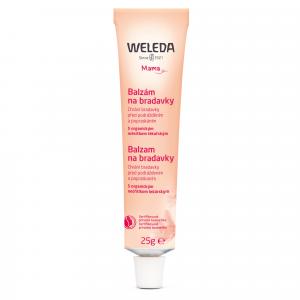
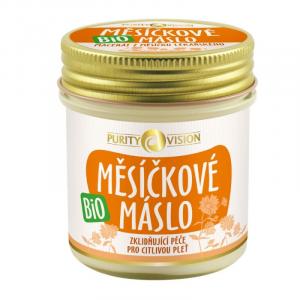
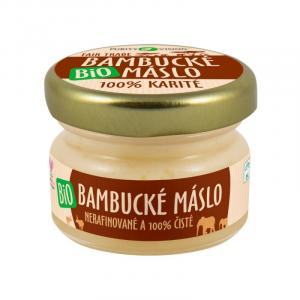
Try our natural products
When the body reacts differently than it should
One of the less discussed, yet surprisingly widespread causes of pain during breastfeeding is Raynaud's phenomenon of the nipple. This is a condition in which the blood vessels in the nipple react to cold or pressure with excessive constriction, causing characteristic whitening, followed by reddening, and finally a purple discolouration of the nipple after breastfeeding. This process is accompanied by intense, burning or cramping pain that can persist long after feeding has ended. According to information available from Kellymom, one of the most respected resources for breastfeeding mothers, Raynaud's phenomenon of the nipple is significantly underdiagnosed – many women are convinced that the problem lies in the latch, when in fact their baby is latching perfectly correctly.
An equally overlooked cause is ankyloglossia, or tongue-tie in the baby. Although this anatomical variation concerns the child rather than the mother, it is the breastfeeding woman who bears its consequences in her own body. A tongue-tie restricts tongue mobility, so the baby cannot properly "embrace" the breast and compensates with increased pressure or ineffective movement that irritates the nipple and causes pain. Yet the latch may appear completely normal at first glance. Ankyloglossia is diagnosed by a paediatrician or lactation consultant and, when necessary, is addressed with a simple surgical procedure – a frenotomy.
Hormonal changes after birth represent an entire chapter of their own. The dramatic drop in oestrogen in the first weeks after a baby's birth means that the tissues of the breast and nipples are more sensitive and prone to irritation. Some women report that pain during breastfeeding worsens significantly during menstruation or ovulation – moments when hormone levels fluctuate again. This phenomenon is not psychosomatic – it has a completely real physiological basis and can be alleviated through appropriate skin care and, if necessary, consultation with a gynaecologist.
Infection, eczema, and other overlooked causes
Perhaps the most feared complication of breastfeeding that is not directly related to latching technique is nipple thrush – a fungal infection caused by the yeast Candida albicans. This can be passed between mother and baby in both directions and manifests as a burning, stabbing pain that penetrates the entire breast and does not end with feeding but persists for hours afterwards. The nipples may appear shiny, pink, or slightly flaky, but may also look completely normal – which is why thrush is so easily overlooked. Treatment requires simultaneous treatment of both mother and baby and must be discussed with a doctor.
Let us consider a specific situation: a young mother, Petra, has been breastfeeding her son since birth. The latch was checked by a midwife and a lactation consultant – both confirmed it was correct. Yet Petra experiences intense burning pain with every feed, persisting for an hour after it ends. Her nipples are slightly shiny, and the baby has white patches on his tongue. The diagnosis? Thrush – not a problem with breastfeeding technique. After appropriate treatment of both mother and baby, the pain disappeared completely within a few days.
A less dramatic, but no less unpleasant cause of pain can be dermatitis or nipple eczema. Breastfeeding women are exposed to repeated moisture, friction, and contact with various substances – from lanolin and breast milk to the fabric of a nursing bra. All of this can trigger an allergic or contact reaction that manifests as itching, burning, flaking, or cracking of the skin. Confusing eczema with "poor latching" is unfortunately very common, when in fact the solution is dermatological treatment, not constantly adjusting the baby's position.
Blocked milk ducts and mastitis – breast inflammation – deserve a mention of their own. A blocked milk duct presents as a tender lump in the breast and localised pain that intensifies during feeding or pumping. If left unaddressed, this can develop into mastitis, a bacterial infection accompanied by fever, general weakness, and significant pain throughout the breast. Mastitis affects approximately 10% of breastfeeding women and requires medical attention, in some cases including antibiotics. Again, the baby's latch plays no direct role here.
The psychological dimension of breastfeeding pain
Physical causes are rarely discussed; the psychological dimension of painful breastfeeding is spoken of almost not at all. Yet there is a condition called dysphoric milk ejection reflex (D-MER), in which a woman experiences a sudden wave of negative emotions – sadness, anxiety, or even nausea – just before or during milk let-down. This is not a psychological disorder or a failure, but a physiological response associated with a drop in dopamine at the moment the body releases oxytocin. D-MER does not cause physical pain in the true sense of the word, but it makes the experience of breastfeeding very difficult and, for many women, unbearable.
As lactation consultant and author Diane Wiessinger aptly notes: "Pain during breastfeeding is not normal – but that does not mean it is always your fault." This distinction is crucial. Breastfeeding women far too often internalise pain as evidence of their own failure, when the real cause lies entirely elsewhere and is fully addressable.
Chronic stress and exhaustion in the postpartum period can also heighten the perception of pain in general. Lack of sleep, hormonal instability, and emotional overload lower the pain threshold, meaning that even mild nipple irritation can be experienced as intense pain. This does not mean the pain is "all in the head" – it means that body and mind are connected, and caring for a breastfeeding mother's emotional wellbeing is part of caring for breastfeeding itself.

What to do when pain persists
If pain during breastfeeding persists despite a correct latch, it is important to look further. The first step should be a visit to a certified lactation consultant – ideally one with international IBCLC certification, which guarantees professional expertise. They can assess not only the breastfeeding technique but also the baby's anatomical characteristics, the condition of the nipples, and the overall context. If the consultant rules out technical causes, a consultation with a general practitioner or gynaecologist is appropriate to rule out infection, a dermatological problem, or Raynaud's phenomenon.
It is also useful to pay attention to exactly when the pain begins and how long it lasts. Pain only during latching and briefly afterwards tends to have different causes than pain persisting for hours after feeding. A burning pain penetrating the entire breast differs from superficial pain on the nipple. These details are valuable information for a specialist when seeking the correct diagnosis.
In the area of nipple care, there are today many products that can provide relief – from pure lanolin and hydrogel pads to specialist creams containing natural ingredients. Ferwer offers, for example, products for breastfeeding mothers focused on gentle care for sensitive skin, which are safe for both mother and baby. It is important to remember, however, that these products can alleviate symptoms but cannot treat the underlying cause – and that cause deserves the attention of a specialist.
Painful breastfeeding is not inevitable, nor is it necessarily the mother's fault. It is a signal that something in the body or environment needs attention. The sooner the real cause is sought – rather than simply correcting the latch – the greater the chance that breastfeeding will ultimately bring what it is meant to bring: closeness, nourishment, and calm for both mother and child.