

Stop comparing your life to what you see on Instagram
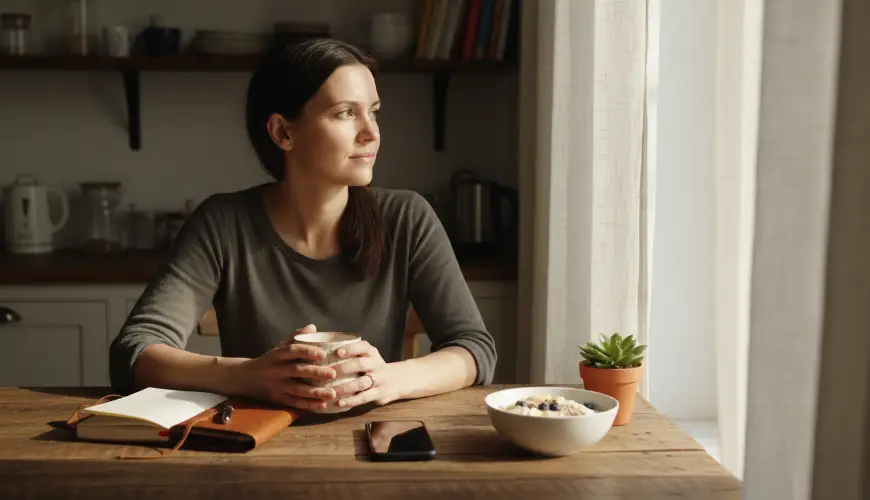
Scrolling through social media has become part of many of our daily routines as natural as a morning coffee. We open our phones, swipe through dozens of photographs of perfectly styled breakfasts, family holidays in the Maldives, and smiles from people who seem to have never known a bad day – and before we realize it, we start asking ourselves why our own lives don't look the same. Comparing our own lives to what we see on Instagram is today one of the most widespread sources of dissatisfaction, and yet few people talk about how to break out of this cycle.
This isn't about weakness of character or excessive sensitivity. It's about a mechanism that is literally built into us. Psychologists call it social comparison, and it was first described in the 1950s by American social psychologist Leon Festinger. According to his theory, we as humans have a natural need to evaluate our abilities, achievements, and life circumstances – and we do so by comparing ourselves to others. The problem arises when those "others" are carefully selected influencers and celebrities whose lives have been filtered through camera lenses, editing software, and clever marketing strategies.
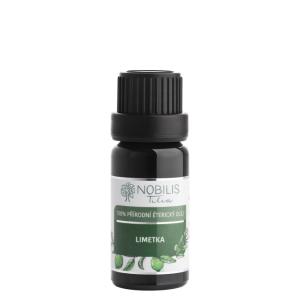
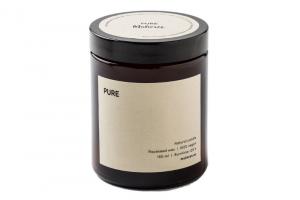
Try our natural products


What Really Hides Behind Perfect Photographs
Instagram is not a diary. It is a display case into which everyone places the best they have – or rather, what they want others to see. A photograph capturing a "spontaneous" breakfast in bed may have taken an hour to create, until the light was right, the plate sufficiently symmetrical, and the filter warm enough. This doesn't mean such a photograph is necessarily a lie, but it is certainly not the whole truth.
Behind every idyllic family photograph, there may be a couple's argument from the previous evening. Behind a perfect figure in a swimsuit lie years of restriction and anxious dietary control that the author never writes about. Behind the smile of an entrepreneur sharing a "freedom lifestyle" from an office with an ocean view, there may be debt and chronic stress. This is not cynicism – it is a reality confirmed by content creators themselves who have dared to speak openly. For example, British influencer Essena O'Neill became famous in 2015 when she rewrote the captions on her photographs and revealed what was really behind them – how many attempts were needed, and how unhappy she felt despite thousands of likes.
Research in the field of psychology repeatedly shows that time spent passively watching content on social media correlates with increased levels of anxiety, depression, and reduced self-esteem. The American Psychological Association warns that this dependency is particularly alarming among young people aged 18–35. But it doesn't apply only to the younger generation – comparing oneself to digital ideals affects practically anyone who regularly spends time on social media.
Let's consider a specific situation: Jana, a thirty-five-year-old teacher from Brno, opens Instagram every morning before she even gets out of bed. She sees posts from a friend who is renovating a house, traveling to Vienna on weekends, and sharing workout photos. Jana knows she herself has meaningful work, a loving family, and a stable home – yet she begins to feel a creeping sense that she is doing something wrong. That she is not enough. That her life is somehow less. This feeling was not caused by reality – it was caused by an algorithm.
Why It's So Hard to Stop
We consciously know that Instagram is an edited version of reality. And yet that feeling of inadequacy keeps coming back. Why? Because conscious knowledge is not enough to override an emotional response. The brain processes visual stimuli faster and more intensely than rational arguments, and social media platforms are designed precisely to exploit this weakness.
Platforms like Instagram are deliberately designed to maximize the time we spend on them. The reward system of likes, comments, and notifications activates the brain's dopamine system – the same mechanism behind addiction to gambling or sugary food. This is no accident; it is intentional. Former Facebook president Sean Parker admitted this in a 2017 interview with Axios: "We deliberately exploited a vulnerability in human psychology."
And so we find ourselves in a situation where simply telling ourselves "I will compare myself less" is not enough. We need to actively change our habits, our environment, and the way we approach social media.
One of the most effective steps is the so-called digital detox – a conscious reduction or interruption of social media use for a certain period. It doesn't have to be a dramatic gesture of deleting all accounts. It's enough to start with smaller steps: turning off notifications, setting a daily time limit, or designating the first hour after waking and the last hour before sleep as time without a phone. These seemingly small changes can have a surprisingly large impact on overall wellbeing.
It is also important to consciously take care of what we follow. Algorithms serve us content that generates reactions – and strong emotions, including envy or desire, are exactly what platforms need. Unfollowing accounts that make us feel inadequate and replacing them with content that inspires or entertains us is one of the most straightforward ways to change the social media experience. This is not selfish – it is mentally hygienic.
The Path Back to Your Own Life
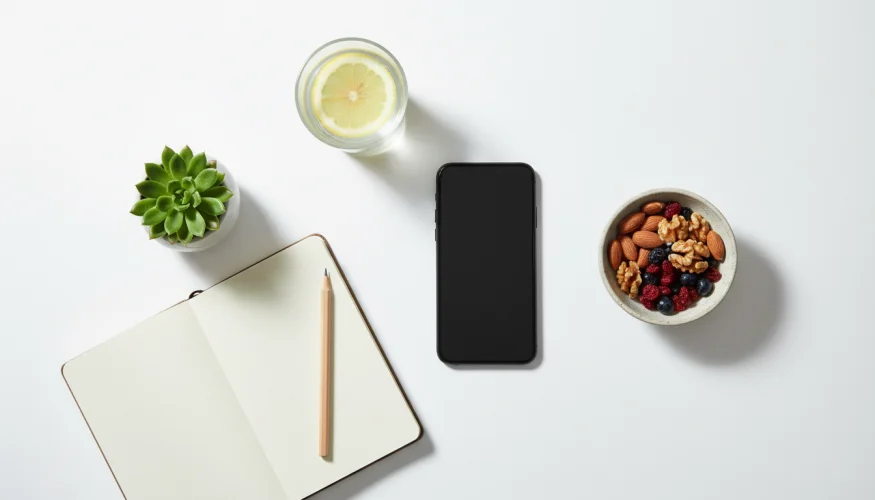
Stopping the comparison with Instagram doesn't mean rejecting social media altogether or becoming a digital hermit. It means changing our relationship with it – transforming from a passive consumer into a conscious user. And to do that, we need to shift our attention back to our own lives, values, and what truly brings us joy.
Psychologists in this context often speak of "gratitude practice" – the deliberate focusing of attention on what we are grateful for. Research published in the Journal of Positive Psychology, for example, shows that a regular gratitude practice demonstrably reduces social comparison and increases overall life satisfaction. It doesn't require complex rituals – it's enough to write down three things each evening that went well that day.
Equally important is consciously investing time in activities that take place away from screens. Moving in nature, cooking, handcrafts, meeting friends face to face – these are all activities that bring a sense of fulfillment precisely because they are real and present. No Instagram post can convey the feeling that comes after an hour's walk in the forest or a conversation with a close person who truly knows us.
It is also worth reflecting on what draws us to social media in the first place. Are we looking for inspiration? Entertainment? Connection with others? Or rather an escape from boredom, anxiety, or uncomfortable feelings? If Instagram is a way of avoiding our own emotions, then comparing ourselves to others is merely a symptom of a deeper pattern. In such a case, it can be very beneficial to speak with a psychologist or therapist who can help identify and change these patterns.
The environment in which we live and shape our daily lives also plays a major role. A healthy lifestyle is not just about what we eat or how we exercise – it is also about what stimuli we feed our minds. The conscious choice of content we consume is just as important as the conscious choice of food on our plate. Surrounding ourselves with things that genuinely please us – whether books, music, nature, or quality products that reflect our values – creates a stronger foundation for feeling good in our own skin, without the need to compare ourselves to someone on a screen.
As the writer and philosopher Alain de Botton said: "Those who compare, suffer." And although this thought is old, in the age of social media it takes on an entirely new dimension.
Ultimately, it comes down to a simple yet profound truth: our life does not unfold on a phone screen. It unfolds in moments we don't share, in relationships that don't need likes, and in quiet contentment that requires no audience. The sooner we learn to return our attention to exactly that, the less room remains for comparing ourselves to lives that are, by their very nature, always just a fragment, never the whole picture.