
The Secret to Perfectly White Curtains with Every Wash

Curtains are one of those home accessories that deserve regular care, yet many people forget about them. They hang in windows quietly and unobtrusively, filtering light, adding airiness and cosiness to the interior – but precisely because they are constantly exposed to sun, dust and kitchen fumes, they gradually lose their original snow-white shade. When the time comes to take them down and wash them, many of us discover that it's not as simple as it seemed. Curtains shrink, turn yellow, or transform into a greyish tangle of fabric that simply doesn't belong in the window. So how do you wash curtains properly to keep them white, airy and beautiful?
The answer doesn't lie solely in the correct washing machine settings. It's an entire process that begins long before you put the curtains in the drum.
Try our natural products
Preparation is half the battle
Before curtains end up in the washing machine, it's worth spending a few minutes on preparation. The first step is always to read the label, which tells you what material the curtains are made from and what washing method the manufacturer recommends. Most white curtains are made from polyester, voile or cotton – and each of these materials reacts to heat and detergents slightly differently. Polyester curtains are generally more durable and retain their shape more easily, while cotton curtains are more prone to shrinking and require more careful handling.
Before washing, it's a good idea to shake the curtains out on the balcony or outdoors to remove loose dust. If the curtains are heavily dusty, you can first vacuum them lightly using a soft attachment. This step may seem unnecessary, but it actually helps significantly – less dust in the drum means a cleaner result and less strain on both the washing machine and the fabric itself.
Another important step is soaking. Experienced housekeepers and textile experts agree that pre-soaking white curtains in cold water with a little salt or vinegar helps loosen embedded dirt while also fixing the whiteness of the fabric. Simply leave the curtains to soak for about an hour, then wring them out and only then place them in the washing machine. This simple trick makes a big difference, especially for curtains that haven't been washed for a long time.
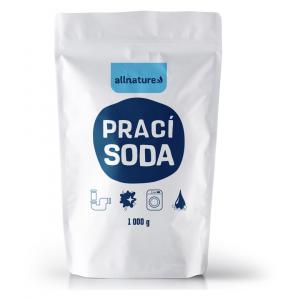
If the curtains have visible stains – for example from flies, limescale around the edges, or grease in the case of kitchen curtains – it's advisable to pre-treat these stains before washing. Bile soap or a natural cleaning paste made from baking soda and a little water works well on greasy stains. Apply it directly to the stain, leave it to work for twenty minutes, and then wash the curtains normally.
Proper washing: temperature, programme and detergent
This is the part where most people make mistakes. White curtains must not be washed at too high a temperature. Although it might seem that hot water cleans and whitens better, the opposite is true – high temperatures cause the fibres to contract, the curtains shrink, and the material may also turn undesirably yellow. The ideal temperature for washing most white curtains is 30 to 40 degrees Celsius, and for more delicate materials such as voile, cold water or a 30°C programme is sufficient.
The washing machine programme should be gentle or a special curtain programme, if your machine has one. The spin speed should not exceed 400 to 600 revolutions per minute – faster spinning is not good for the fabric and causes the curtains to crease in ways that are difficult to iron out.
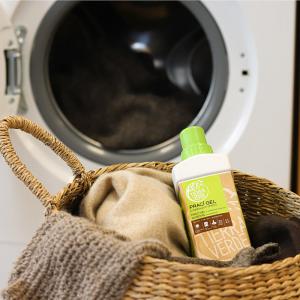
As for detergent, the choice plays a key role. Classic washing powders with optical brighteners are suitable for white curtains, as these substances cause the fabric to appear brighter white under UV light. However, it's important to dose the detergent exactly according to the instructions – too much powder doesn't mean a better result; on the contrary, it leaves residues in the fabric that make the curtains look optically grey. An alternative is liquid detergents for white laundry, which dissolve more easily and leave fewer deposits.
If you want to take a natural approach, there is a tried-and-tested method: add a little white vinegar (approximately 100 ml) to the fabric softener compartment. Vinegar acts as a natural softener, removes detergent residues and helps maintain the whiteness of the fabric. Unlike chemical fabric softener, it leaves no residues in the fabric and is environmentally friendly. Adding a tablespoon of baking soda directly into the drum along with the curtains works similarly.
For those looking for a stronger whitening effect, a textile whitening product can be used on a one-off basis – but with great care. Chlorine bleach does work, but with repeated use it damages the fibres and weakens the curtains over time, causing them to tear. A safer alternative is oxygen bleach or a product based on perborates, which is gentler on the material.
What to do after washing so curtains don't look like a rag
Washing is only part of the story. What happens after washing determines whether the curtains will look as if they came from a shop, or like a crumpled piece of fabric. Immediately after the programme ends, it's important to take the curtains out of the drum straight away – the longer they sit crumpled in the washing machine, the harder it is to smooth out the creases afterwards.
Ideally, curtains should not be dried in a tumble dryer, as the heat again risks shrinkage. The best method is to hang them back on the rod or curtain rail while still damp. The curtains will naturally straighten out under their own weight, the creases will smooth out, and with proper ventilation they will dry without needing to be ironed. If the curtains are very creased, they can be lightly ironed through a damp cloth on a low heat setting, but this step is usually unnecessary with properly dried curtains.
Imagine a typical situation: Mrs Markéta from Brno washes the curtains throughout her flat every year before Christmas. Previously she washed them at 60°C with a large amount of powder, and each time she ended up with yellowed, shrunken curtains that she had to replace after a few years. Once she changed her approach – pre-soaking in vinegar water, washing at 30°C with a gentle detergent and drying directly on the rod – the curtains stayed beautifully white for years, and she also saved money on new ones.
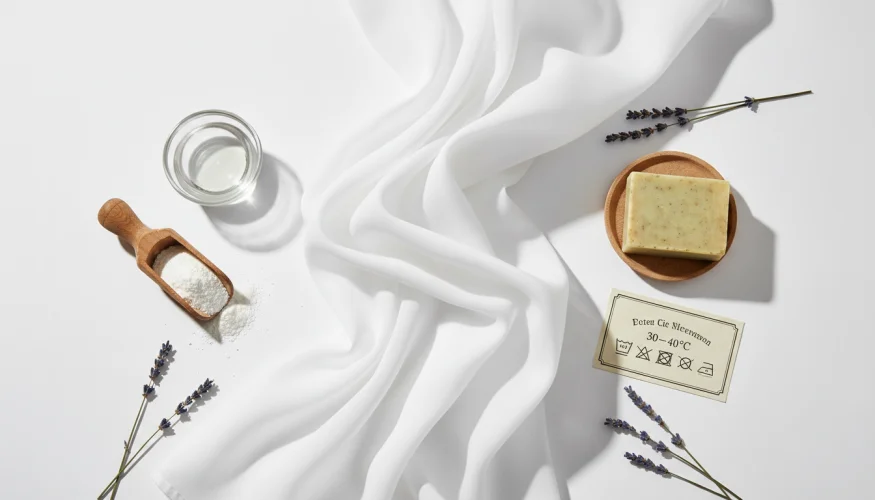
How to prevent curtains from yellowing and going grey
Proper washing is important, but prevention is equally important. Curtains yellow for several reasons: sunlight, cigarette smoke, kitchen fumes, or simply the ageing of the material. Some of these factors cannot be avoided, but their effect can be slowed down.
Regular ventilation of the room helps reduce the concentration of fumes and moisture that settle in the curtains. Curtains should be washed at appropriate intervals – once every two to three months in the kitchen, once every six months in the living room or bedroom. Washing too frequently wears out the material, while washing too infrequently means that dirt becomes more deeply embedded in the fibres and is then harder to remove.
As the saying goes among textile experts: "Fabric is like skin – the better you care for it, the longer it serves you." This applies to curtains too. Regular, gentle care extends their lifespan far more than occasional intensive washing.
If you live in an area with hard water, limescale can also be a problem, settling in the fabric and causing it to go grey. In this case, adding a water softener to the washing machine or using a special anti-limescale product can help. The Czech Trade Inspection Authority regularly warns consumers that water hardness significantly affects washing results and the lifespan of textiles, recommending that detergent dosage be adjusted to match the water hardness in your area.
An interesting option for those who care about an ecological approach to the home is eco-friendly detergents without optical brighteners and synthetic fragrances. These products are gentler on the environment and on the fabric itself, while still being able to keep curtains clean and bright. Concentrated variants are also available on the market, which save on packaging and money – while doing no harm to the curtains whatsoever.
White curtains are one of the simplest ways to add lightness and cleanliness to an interior. It's worth paying a little attention to their care – not to make them perfect, but so that they fulfil their purpose for as long as possible and the room remains the way we want it: airy, bright and pleasant.