
Proper maintenance of stainless steel cookware protects both shine and function
Stainless steel is one of the most popular materials for kitchen cookware, and for good reason. Durable, hygienic, long-lasting – these are the qualities that make it a favourite in both professional restaurant kitchens and households around the world. Yet many people notice that their favourite pan or pot gradually loses its original shine over time, takes on a dull appearance, or develops unsightly stains. And this is where the story begins about how proper maintenance of stainless steel cookware can ensure it retains its appearance and functionality for many years to come.
A dull stainless steel surface is not merely an aesthetic problem. It is a signal that the cookware is not being handled quite correctly – whether due to unsuitable cleaning agents, improper washing methods, or insufficient care after use. Fortunately, most problems with stainless steel cookware are solvable and, better still – preventable.
Try our natural products
Why stainless steel cookware loses its shine and what causes it
Before we get into specific tips, it is worth understanding what actually happens to stainless steel when it loses its characteristic shine. Stainless steel is an alloy whose corrosion resistance is provided by a thin layer of chromium oxide – the so-called passivation layer. This layer is invisible, but enormously important. If it is damaged or compromised by improper handling, the surface of the cookware begins to react with its surroundings, resulting in that dull, cloudy appearance.
Among the most common culprits is hard water. The Czech Republic is among the countries with relatively high water hardness, and limescale deposits are responsible for the white or bluish stains that appear on stainless steel surfaces after every wash. Another problem is aggressive cleaning agents containing chlorine or abrasive sponges, which mechanically damage the passivation layer. Add to this overheating an empty pan on the hob or leaving cookware to soak in salted water for extended periods – and you have a recipe for cookware that looks like it came from a second-hand shop, even though you bought it just a year ago.
Interestingly, even the drying method plays a role. If you leave cookware to air-dry naturally, water droplets leave behind mineral deposits after evaporating, which gradually build up and cause that characteristic cloudy film. Simply wiping with a dry cloth immediately after washing can work wonders.
Proper daily care as the foundation of longevity
The best protection for stainless steel cookware is a proper routine during everyday use. This does not involve any complicated procedures – just a few habits that will soon become second nature.
When washing, a simple principle applies: the gentler, the better. A soft sponge or cloth with liquid washing-up liquid is the ideal choice for everyday cleaning. Steel wool and hard abrasive tools will remove dirt, but they also leave microscopic scratches on the surface that cause dulling over time and can even harbour bacteria. If you do need to mechanically clean burnt-on food, reach for specialist cleaning products designed specifically for stainless steel.
Hot water when washing helps dissolve fats and food residues more effectively, so you need to scrub less. And if you dry the cookware immediately after washing with a soft cloth, you will avoid limescale stains from hard water. This step is small, but its impact on the final appearance of the cookware is surprisingly significant.
Washing in the dishwasher deserves special attention. Stainless steel cookware can generally be washed in the dishwasher, but several rules must be followed. The cookware should not be in direct contact with cutlery or items made from other metals, as contact between different metals in the presence of moisture can cause galvanic corrosion. It is also recommended to use dishwasher tablets without aggressive chlorine content, and to remove the cookware from the dishwasher immediately after the programme ends and dry it – do not leave it in the steamy environment of a closed dishwasher.
Another important point is handling salt when cooking. Salt should only be added to boiling water, not cold water. If salt comes into contact with the stainless steel surface at low temperatures, it can cause so-called pitting corrosion – the formation of tiny pits on the cookware surface. This type of damage is irreversible and has nothing to do with the quality of the cookware, but solely with the way it is used.
How to restore the shine of cookware that has already become dull
What should you do when cookware has already lost its shine? The good news is that in most cases the situation can be remedied. There are several tried-and-tested methods for restoring stainless steel cookware to its original condition without having to buy expensive chemical products.
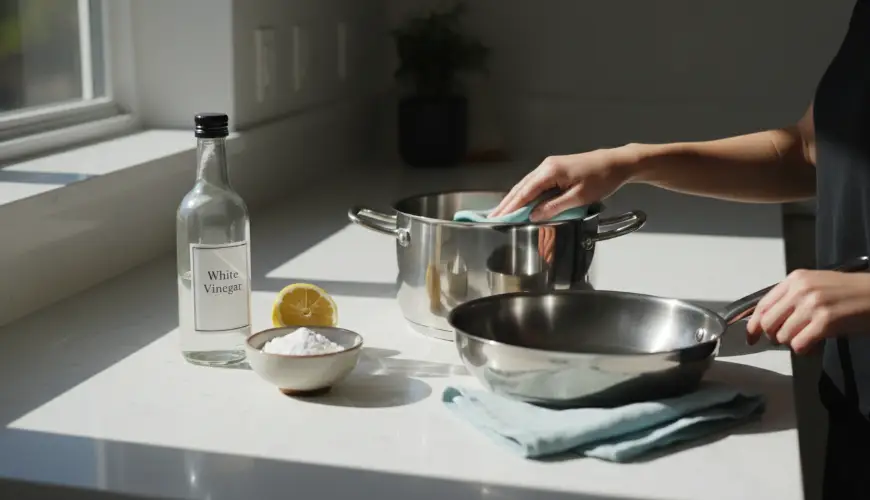
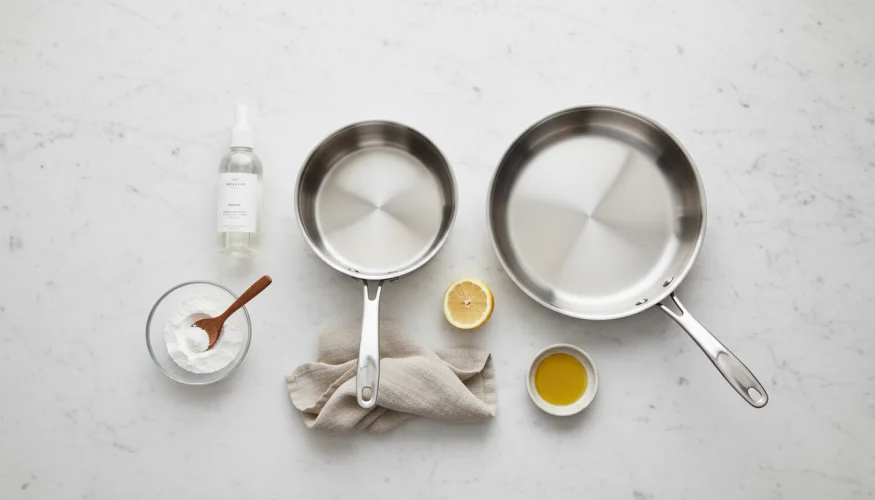
Limescale deposits from hard water are effectively removed by white vinegar or citric acid. Simply soak a cloth or paper towel in vinegar and apply it to the affected area for a few minutes – the limescale residue can then be wiped away easily. Citric acid dissolved in warm water works equally well and also leaves the surface pleasantly shiny. Both of these products are natural, environmentally friendly, and yet highly effective – a combination that perfectly aligns with the philosophy of a sustainable household.
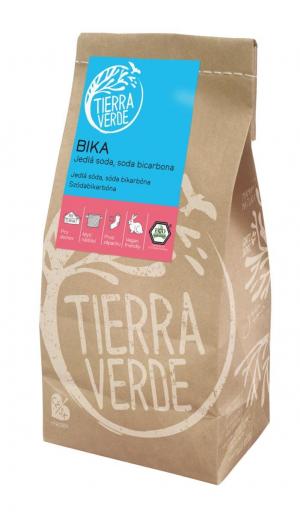
For more stubborn stains or yellowed areas caused by overheating, a paste made from bicarbonate of soda and water works well. This mildly abrasive mixture can remove surface dirt without damaging the metal structure. It is applied in the direction of the stainless steel's grain – that is, along the lines visible on the cookware surface – and then rinsed with warm water and dried.
To restore shine after cleaning, a few drops of olive or mineral oil applied to a soft cloth can be used. A light polish creates a thin protective film that gives the cookware a beautiful, almost mirror-like appearance. This method is particularly popular among professional chefs and restaurateurs who want their equipment to always look presentable.
Consider a situation that is common in many households: a soup pot that has served a family for ten years begins to look cloudy and worn over time, even though it is otherwise in perfectly good condition. The owners put it away in a cupboard and buy a new one. Yet all it would have taken was one afternoon with vinegar, bicarbonate of soda, and a little patience – and the pot would look almost like new. Proper care is therefore not just a matter of aesthetics, but also of economy and sustainability – we throw away less, buy less, and place less burden on the planet.
What not to do – mistakes that damage cookware
Just as important as knowing what to do is knowing which mistakes to avoid. Overheating empty cookware is one of the most common causes of irreversible surface damage. Stainless steel can withstand high temperatures, but an empty pan without any contents overheats very quickly, and the coloured stains – blue, rainbow-coloured, or brown – that subsequently appear are evidence of surface oxidation at extreme temperatures. These stains can be partially removed using the methods described above, but it is best to prevent them from occurring in the first place.
Chlorine is another enemy of stainless steel. Chlorine-based products, such as certain kitchen disinfectant sprays or dishwasher tablets with aggressive formulations, can damage the passivation layer and cause corrosion. As the American Iron and Steel Institute (SSINA) warns, even brief contact with chlorine compounds can cause surface damage to some types of stainless steel that may only become apparent over time.
It is equally inadvisable to leave acidic foods standing in stainless steel cookware for extended periods – tomato sauce, citrus juices, or vinegar-based marinades. While acids do not immediately damage stainless steel on their own, prolonged contact can cause the surface to react and result in dulling or discolouration.
Storage also deserves attention. Cookware should not be stacked without protection – when pots and pans are piled on top of each other without any lining, they scratch each other and the surface becomes damaged. A simple solution is silicone or fabric dividers between individual pieces of cookware, which are now widely available.
As the world-renowned chef Gordon Ramsay once aptly put it: "The cookware you care for will take care of you in return." And while this may sound like a cliché, there is a simple truth behind the statement – quality cookware that receives proper care will reward you with even heat distribution, easy cleaning, and excellent-tasting food for years to come.
Choosing the right cookware as a preventive measure
The type of stainless steel cookware you purchase also matters. The market offers several different grades of stainless steel, identified by numbers such as 18/10, 18/8, or 18/0. These numbers indicate the percentage of chromium and nickel in the alloy. Cookware marked 18/10 contains 18% chromium and 10% nickel and is considered the highest quality – it is the most resistant to corrosion, the easiest to clean, and retains its shine the longest. By contrast, cookware marked 18/0 contains no nickel, is less resistant, and more prone to dulling.
Quality stainless steel cookware is also typically multi-layered – it has a sandwich base or is constructed entirely from multiple layers of metal, which ensures even heat distribution and prevents overheating in one spot. This characteristic directly affects not only the taste of food, but also the longevity of the cookware surface.
Caring for stainless steel cookware is therefore no great science – it is rather a set of small, everyday habits that complement one another. Proper washing, immediate drying, avoiding aggressive chemicals, and occasional treatment with natural products such as vinegar or bicarbonate of soda – all of this together ensures that the cookware will look great and serve reliably for decades. And that is precisely the kind of investment that pays off – for your wallet and for the environment.