
Hard water and how to effectively protect yourself from it
Most people, when they hear the term "water quality," think of taste or cleanliness. Few people, however, consider what lies hidden in that clear liquid that flows from the tap every day – and what damage it can cause in the home, on the skin, and to clothing. Hard water is a problem that a large proportion of the Czech population struggles with, without being fully aware of it.
Water hardness depends on the amount of dissolved minerals, primarily calcium and magnesium, which water acquires as it passes through rock. The more of these minerals it contains, the "harder" it is. According to data from the National Institute of Public Health, water hardness in the Czech Republic varies significantly from region to region – while soft water flows from the tap in some parts of Bohemia, a large part of Moravia and the Central Bohemian Region struggles with moderately hard to very hard water. In practice, this means that millions of households are fighting daily with deposits they are not even aware of.
Try our natural products

What hard water does to your home
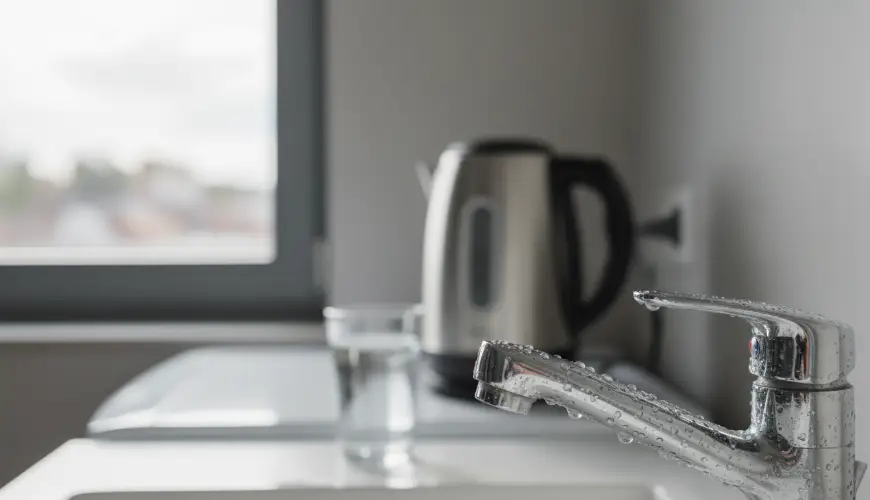
The most visible sign of hard water is white deposits – known as limescale – on taps, shower heads, kettles, and tiles. But this is just the tip of the iceberg. The real problems occur inside appliances, where limescale is invisible but all the more insidious.
The washing machine is one of the biggest victims of hard water. Calcium deposits build up on the heating element, which then has to consume significantly more energy to heat the water to the required temperature. Studies by the German Institute for Appliances and Research (VDE) have shown that just one millimetre of limescale on a heating element increases energy consumption by up to 10%. With a three-millimetre layer, this figure can be even higher. The result is not only higher electricity bills, but also a shorter appliance lifespan – and that is a problem that comes at a cost. Dishwashers, instantaneous water heaters, and coffee machines are in a similar situation. All of these appliances have internal systems where water circulates and where minerals from hard water gradually build up, eventually causing a malfunction or complete failure of the device.
A telling real-life example: a family from Brno bought a new washing machine and after three years had to have it repaired due to a damaged heating element. The technician explained that the cause was a heavy build-up of limescale – and that this is a very common case in areas with hard water. After replacing the components, they began regularly using a water softener and descaling products. Since then, no similar problem has occurred.
In addition to appliances, water pipes also suffer from hard water. Deposits gradually narrow the diameter of the pipes, reducing water pressure and, in extreme cases, potentially necessitating the replacement of the entire pipework – a matter that is both financially and logistically demanding.
The effects of hard water on skin and hair
However, the effects of hard water are not limited to technology and infrastructure. The human body – specifically skin and hair – reacts to daily contact with hard water in ways that many people attribute to other causes.
When showering or washing hands, hard water reacts poorly with soaps and shampoos. Instead of a rich lather, a less effective emulsion is produced, which is also more difficult to rinse off. Microscopic residues of soap compounds mixed with calcium then remain on the skin, disrupting the skin's natural protective barrier. The result is a feeling of tight, dry, or itchy skin – and in sensitive individuals or those suffering from eczema, these symptoms can worsen significantly. Research published in the specialist journal Journal of Investigative Dermatology suggests that long-term exposure to hard water may be one of the factors contributing to the development of atopic dermatitis, particularly in children.
Hair reacts to hard water in a similar way. Calcium ions deposit on the surface of hair fibres, preventing nourishing ingredients in shampoos and conditioners from penetrating, and leaving hair looking dull, brittle, and difficult to comb. If you have ever been on holiday in an area with soft water and noticed that your hair suddenly looks better than it does at home – that is no coincidence. It is hard water that prevents it from having its natural shine at home.
As dermatologist and water quality expert Dr. Dennis Lam put it: "Many patients complain of dry skin and hair problems without realising that the main cause may be the water they use every day." These words capture the essence of the problem – hard water is a silent aggressor that acts inconspicuously but persistently.
Hard water and laundry: invisible damage
Another area where hard water leaves a significant mark is laundry. During washing, minerals from hard water bind to textile fibres, which gradually stiffen and lose their original softness. White laundry may begin to yellow, coloured items lose their vibrancy, and delicate materials such as cotton or linen wear out more quickly. At the same time, more detergent is needed when washing in hard water, because minerals reduce its effectiveness – the detergent is partly "used up" reacting with calcium instead of actually cleaning.
Increased detergent consumption then creates a double problem: higher costs for the household and a greater burden on the environment. Excess chemicals enter wastewater and affect aquatic ecosystems. From a sustainable lifestyle perspective, addressing the problem of hard water is therefore not only economically advantageous, but also ecologically responsible.
Smart prevention: how to protect yourself
The good news is that the effects of hard water can be effectively combated – without the need for expensive renovations or complicated measures. There are a wide range of approaches that can be combined according to the needs and possibilities of each individual household.
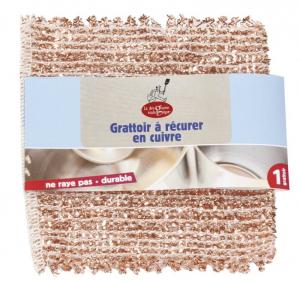
The basic step is regular descaling of appliances. Kettles, coffee machines, and dishwashers should be descaled at least once every two to three months, and more frequently in areas with very hard water. Special descaling products or natural alternatives such as citric acid are used for this purpose, which is gentle on the environment and on appliance components.
For washing machines, it is recommended to add a special water softening product to every wash or to use ecological detergents enriched with softeners. Many modern washing gels and powders already contain this component, but it is worth checking the packaging. Alternatives include natural products such as magnetic washing balls or ceramic balls, which alter the structure of the water and reduce the build-up of limescale on the heating element and on fabrics.
A more comprehensive solution for the entire household is the installation of a water softener – a device that connects directly to the water supply and uses ion-exchange resin to remove excess calcium and magnesium ions from the water. The result is soft water throughout the flat or house: from the taps, shower, washing machine, and dishwasher. The purchase cost of such a device ranges from thousands to tens of thousands of crowns, but when savings on energy, detergents, and extended appliance lifespans are taken into account, the investment typically pays for itself within a few years.
For those looking for a less invasive option, there are also magnetic or electronic water conditioners, which are attached to the outside of the pipework and use a magnetic or electromagnetic field to alter the physical properties of the minerals in the water so that they are less likely to deposit. Their effectiveness is the subject of expert debate, but many users and research studies confirm a positive effect, at least in terms of reducing new deposits.
From the perspective of skin and hair care, the effects of hard water can be mitigated by using gentle products free from silicones and sulphates, which do not bind as readily with minerals in the water, and by thoroughly rinsing the skin and hair after showering. Some dermatologists recommend adding a little apple cider vinegar to bath water or rinse water, which helps neutralise calcium residues on the skin. Although this method has not been fully scientifically verified, many users praise it as an easy and inexpensive solution.
It is also important to regularly check how hard the water in your area actually is. Information on water hardness in a given region is available from the local water authority or through online tools that water suppliers are required to publish. Based on this data, it is possible to better determine the frequency of descaling and to choose appropriate products.
Preventing the effects of hard water is not just a matter of comfort. It is a conscious decision to take care of your property and health, while also reducing the ecological footprint of your household. Appliances that work efficiently and last longer mean less waste. Less detergent means cleaner wastewater. And healthy, well-hydrated skin free from unnecessary chemicals means a better quality of everyday life. Hard water may not seem like a major problem – but that is precisely why it is important not to underestimate it.