
# Stains on Wallpaper and Their Gentle Removal Without Damage Wallpaper gives rooms a unique charac
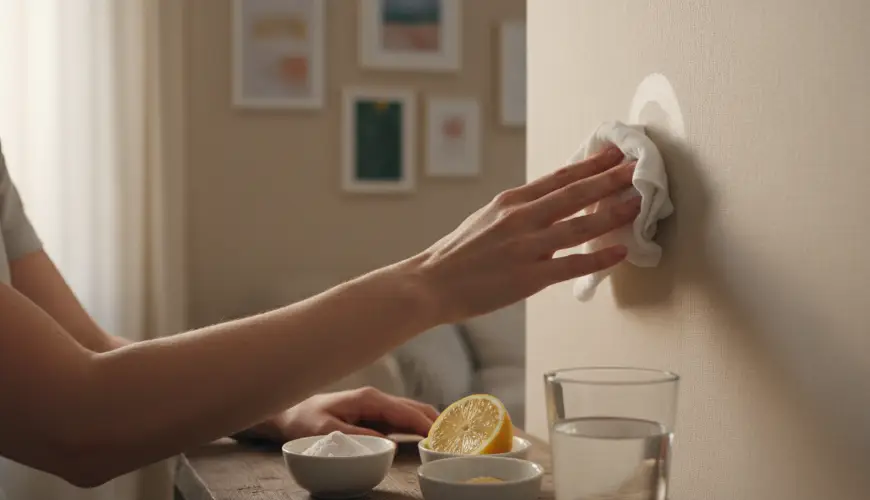
Everyone who has ever experienced that moment when their gaze falls on a fresh stain on the wallpaper knows that unpleasant feeling in their stomach. Whether it's a spilled cup of coffee, a child's crayon drawing, or a greasy handprint near a light switch, wallpaper stains are a part of life in every household. The problem, however, is that wallpaper is not like a floor or a kitchen counter – it is delicate, varied, and can easily be damaged if you reach for the wrong product or apply too much force. The good news is that the right approach to removing stains from wallpaper can salvage even seemingly hopeless situations.
The key to everything lies in understanding one fundamental thing: not all wallpaper is the same. The market offers dozens of different types – from classic paper wallpaper to vinyl, textile, and modern eco-friendly variants made from natural materials. Each type reacts to moisture, cleaning products, and mechanical action in a completely different way. Paper wallpaper, for example, is extremely sensitive to water and can be irreversibly deformed or peel away if cleaned improperly. Vinyl wallpaper, on the other hand, tolerates moisture much better and is generally more resistant to mechanical cleaning. This is precisely why the first step is always to determine what type of wallpaper you are dealing with – ideally by consulting the original documentation or looking for a symbol on the sticker on the packaging, which manufacturers sometimes leave behind the wallpaper or include in the product's technical sheet.
Try our natural products
Before You Start Cleaning: Preparation That Determines the Outcome
Experienced interior designers and home maintenance professionals agree on one thing: preparation before cleaning is just as important as the process itself. One of the most common mistakes is immediately reaching for a damp cloth and aggressively scrubbing the area where the stain occurred. This approach can not only spread the stain over a larger area but also damage the surface of the wallpaper, which then looks different in that spot compared to the surrounding area.
Before reaching for any cleaning product at all, one should first test its effect in an inconspicuous spot – for example, behind a piece of furniture or in a corner of the room. This simple test will reveal whether the product changes the colour of the wallpaper, dissolves the print, or leaves marks. Particularly with textile and paper wallpaper, even plain water can cause visible damage if used in excessive amounts.
Another important step is identifying the stain itself. Is it greasy and of organic origin, such as a handprint or cooking oil? Or is it a pigment stain from ink, a marker, or crayons? Or perhaps a water-soluble substance such as coffee or tea? Each category of stain requires a different approach, and what works brilliantly on grease may be completely ineffective or even harmful when cleaning ink.
As a general rule, the sooner you start working on a stain, the greater the chance of success. A fresh stain is incomparably easier to clean than one that has had a week to soak into the fibres or paper of the wallpaper. So if an accident happens, there is no time for deliberation – you need to act quickly, but thoughtfully.
Tried-and-Tested Cleaning Methods by Stain Type
Greasy stains are, paradoxically, among those that common household cleaning products handle quite well – provided they are used correctly. A very effective method is to place a piece of absorbent paper or a clean cloth over the stain and press gently, so that as much of the grease as possible is absorbed before the actual cleaning begins. You can then carefully apply a small amount of diluted washing-up liquid or another dish soap that is gentle and free of aggressive chemicals to the affected area. It is important to always work from the edge of the stain towards the centre, to avoid spreading it further.
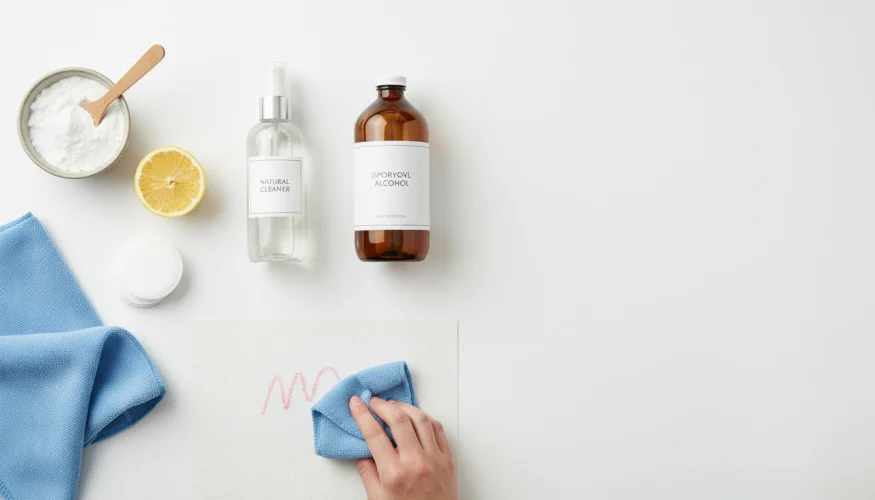
Ink or marker stains are a considerably tougher challenge. On vinyl wallpaper, isopropyl alcohol applied to a cotton swab can help – by gently dabbing (not rubbing), the ink can be gradually transferred from the wallpaper to the swab. With paper wallpaper, the situation is more complicated, and sometimes the only solution is to accept that the stain will remain, or to replace the damaged section. This is precisely why many experts recommend purchasing slightly more wallpaper than is currently needed when buying – the leftover rolls can come in handy in exactly such situations.
Stains from coffee, tea, or wine are typically water-soluble, which is good news. On washable and vinyl wallpaper, a gentle damp cloth and a little patience are sufficient. On paper wallpaper, however, even such a seemingly harmless stain poses a risk. Some interior restoration experts recommend using erasing products or special cleaning erasers in such cases, which are available at art supply stores. These tools work dry and minimise the risk of damaging the delicate surface.
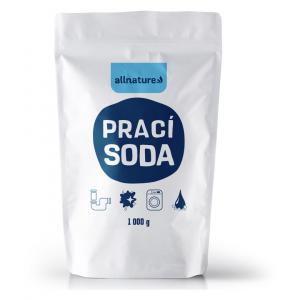
An interesting and surprisingly effective home remedy is baking soda mixed with a small amount of water to form a thicker paste. This mixture is gently applied to the stain, left to work for a short time, and then carefully wiped away with a damp cloth. Baking soda has natural cleaning properties without aggressive chemicals and is gentle both on wallpaper and on the environment. Lemon juice works similarly on light stains on light-coloured wallpaper, although caution is needed here – the acid can cause colour changes in some materials.
For those looking for a comprehensive overview of cleaning methods for different types of surfaces, a useful resource may be the surface care guide from the British organisation Which?, which regularly tests cleaning procedures and products in practice.
A real-life household example: a family with young children woke up one morning to an unpleasant surprise – their four-year-old daughter had decorated the living room with wax crayons directly on the light grey vinyl wallpaper. Panic was understandable, but the solution turned out to be surprisingly simple. Using a hair dryer, they warmed the wax layer, softening it, and then carefully wiped it away with a paper towel. The remaining pigment was then removed with a cotton swab dipped in a little isopropyl alcohol. The result? The wallpaper looked as good as new.
Eco-Friendly Approaches to Cleaning and Caring for Wallpaper
At a time when more and more households are transitioning to a more sustainable way of life, it is worth noting that gentle wallpaper cleaning does not have to mean reaching for aggressive chemicals. On the contrary – natural products are in many cases equally effective while being safer for the wallpaper surface and for the health of the household's occupants.
As the writer and ecologist Aldo Leopold noted: "A thing is right when it tends to preserve the integrity, stability, and beauty of the biotic community." This principle can be applied to everyday home care as well – choosing products that do not destroy what we wish to preserve.
White vinegar diluted with water in a 1:1 ratio is a classic eco-friendly cleaning agent that works on many types of surfaces. With wallpaper, however, caution is needed – an acidic environment can cause fading in some pigments. This is why the aforementioned test in an inconspicuous spot is always advisable. An alternative is castile soap – a natural soap based on olive oil that is gentle, biodegradable, and yet effective at removing common dirt.
Another aspect of the eco-friendly approach is prevention. Wallpaper made from natural materials, such as wallpaper made from seagrass, jute, or bamboo, which has become increasingly popular in recent years, has specific properties and requires special care. Moisture is its greatest enemy – cleaning should be carried out exclusively using dry methods, such as gentle brushing or the use of a microfibre cloth without any moisture.
Prevention is generally the best strategy. Wallpaper in rooms with higher foot traffic – in hallways, near staircases, or in children's rooms – can be protected by applying a special protective coating that creates an invisible barrier and makes subsequent cleaning easier. Such products are now available in eco-friendly variants without volatile organic compounds, which is particularly important for families with young children or allergy sufferers.
Caring for wallpaper is therefore a far more complex topic than it might initially appear. It involves knowledge of the material, a quick response when an accident occurs, choosing the right cleaning product, and last but not least, an approach that considers long-term sustainability – both of the wallpaper itself and of the products we use to care for it. Wallpaper that is properly cleaned and maintained can remain in perfect condition for many years, avoiding premature replacement, which is costly both financially and ecologically. And that is surely a goal worth a little attention and care.