

# Why Do We Sweat Differently Under Stress and in the Heat? Great question! The answer lies in the

Sweat is one of the most universal human experiences. Everyone knows it, everyone experiences it – and yet few people realize that behind this seemingly simple physiological phenomenon lies a surprisingly complex system. You may have noticed yourself that the sweat produced after an hour in an overheated sauna somehow differs from the unpleasant perspiration that comes just before an important work presentation or an awkward phone call. This is not merely a subjective impression – the difference between thermal sweat and stress sweat is real, physiologically demonstrable, and scientifically very interesting.
To understand why this is the case, we must first look at how the human body actually produces sweat and what purpose it serves.
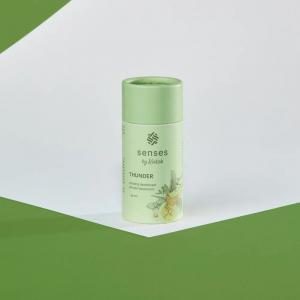
Try our natural products

Two Faces of One Phenomenon
Human skin is covered with millions of sweat glands – estimates suggest we have between two and four million of them. These glands are divided into two basic groups: eccrine and apocrine glands, and it is precisely their different functions and distribution across the body that explains why sweat does not always look or smell the same.
Eccrine glands are evenly distributed across the entire body and their primary task is thermoregulation. These are the ones that activate when the body is at risk of overheating – whether due to physical activity, hot weather, or fever. The sweat they produce consists largely of water mixed with salts, primarily sodium chloride, and other minerals. It is relatively clear, almost odorless, and its evaporation from the skin surface effectively cools the body. This mechanism is evolutionarily ancient and is shared with many other mammals.
Apocrine glands, by contrast, are concentrated in specific areas of the body – primarily the armpits, groin, and genital region. Their secretion is thicker, containing proteins, lipids, and other organic compounds. It is not particularly odorous on its own, but once it comes into contact with bacteria naturally living on the skin, volatile compounds are produced that are responsible for the characteristic body odor. And it is precisely these glands that play a key role during stress.
Why Stress Causes a Different Kind of Sweating
When a person experiences stress – whether it involves real danger or simply nervousness before an important event – the brain triggers a cascade of reactions collectively known as the "fight or flight" response. This response is controlled by the sympathetic nervous system and involves the release of adrenaline and noradrenaline into the bloodstream. These hormones activate the apocrine glands, which is why stress sweat originates primarily in the armpits, groin, and palms.
Interestingly, stress sweating makes sense from an evolutionary perspective. Some scientists believe that the thick secretions of the apocrine glands may have served in prehistoric times as chemical communication – danger signals transmitted between individuals of the same species. In other words, your stress sweat may originally have been a warning signal to other people around you. This theory finds support in modern research: a study published in the journal Chemical Senses showed that people can distinguish samples of stress sweat from sweat produced by physical activity, even though they are not consciously aware of this difference.
Imagine a situation familiar to many: you are standing in front of a group of people and are about to give a presentation. Your heart beats faster, your palms are damp, your armpits immediately activate – and yet you are not hot at all. Physically you are at rest, your body has no need to cool muscles or organs. And yet you are sweating. And this sweat has a different chemical composition, a different smell, and originates in different parts of the body than the sweat that would accompany you while running in summer heat.
Thermal sweating, by contrast, sets in more gradually and evenly. Eccrine glands respond to rising body temperature and their activity spreads across the entire surface of the body – the forehead, back, chest, arms, and legs all join in a shared cooling process. This sweat is more watery, less odorous, and its primary function is physical – the evaporation of heat.
It is worth noting that both systems can operate simultaneously. During demanding athletic performance in heat or during intense emotional stress combined with physical activity, the body combines both types of sweating. The intensity and localization of sweating then depends on which stimulus is predominant at any given moment.
What Influences the Intensity of Sweating and How to Work With It
The degree of sweating varies considerably between individuals and depends on a whole range of factors. Genetics plays an important role – some people naturally have more active sweat glands or their glands are more sensitive to nerve stimuli. Physical fitness also plays a part: people who exercise regularly paradoxically begin to sweat earlier and more than those who do not exercise, because their bodies have learned to trigger thermoregulation more efficiently. Hormonal changes, age, medications, and overall health – all of these influence how intensely and where a person sweats.
As Mayo Clinic notes, excessive sweating – medically termed hyperhidrosis – affects approximately three percent of the population and can significantly reduce quality of life. There is primary hyperhidrosis, which has no clear organic cause and typically manifests on the palms, soles, and in the armpits, and secondary hyperhidrosis, which is a symptom of another condition or a side effect of medication.
At the other end of the spectrum is anhidrosis – the inability to sweat, which is far more medically dangerous because the body loses its primary cooling mechanism.
For the average person who does not require medical intervention but wants to better manage everyday sweating, there are a number of practical approaches. In the area of thermal sweating, natural ventilation, light breathable clothing, and adequate fluid intake all help. Natural materials such as cotton, linen, or bamboo are a popular choice, as they wick moisture away from the body and allow the skin to breathe. Synthetic fibers, by contrast, retain moisture and can make unpleasant sweating even worse.
With stress sweating, the situation is more complex, because the solution cannot be found merely on the surface of the skin but must be sought more deeply – in managing the stress responses themselves. Techniques such as deep breathing, meditation, or regular physical activity help regulate the activity of the sympathetic nervous system and reduce the intensity of the stress response. Psychologist and author Daniel Goleman, who wrote Emotional Intelligence, captures this well: "The ability to manage one's own emotions is the foundation of all success in life." This holds true literally as well – those who learn to work with stress will, quite literally, smell better.
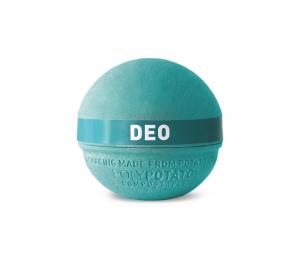
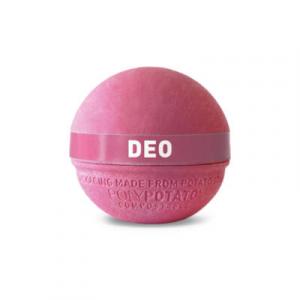
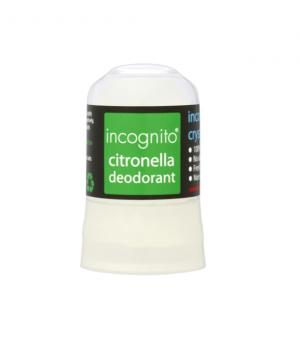
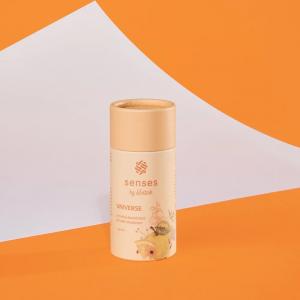
Skin care and hygiene also play a significant role. Regular showering, the use of antiperspirants or natural deodorants, and choosing appropriate clothing can substantially reduce the unpleasant consequences of sweating – particularly body odor. Antiperspirants work by blocking sweat glands using aluminum salts, while deodorants merely mask or neutralize odor without affecting sweat production itself. Those who prefer natural alternatives can turn to products containing baking soda, essential oils, or mineral crystal stones, which are growing increasingly popular in communities focused on an ecological lifestyle.
Diet plays a greater role than many people realize. Spicy foods, alcohol, caffeine, and strongly aromatic foods such as garlic or onion can increase the intensity of sweating and affect its odor. Conversely, a diet rich in vegetables, fruit, and adequate water contributes to sweat being less pronounced and less unpleasant.
It is fascinating to realize that sweat – such a banal and everyday phenomenon – is in fact a window into what is happening inside our bodies and minds. Thermal sweat says: "I am overheating, help me cool down." Stress sweat says something entirely different: "I am on alert, I am preparing you for action." Each speaks its own language and responds to different stimuli, different hormones, and different parts of the nervous system. Understanding this difference does not merely satisfy scientific curiosity – it can help us better care for our bodies, choose more suitable clothing, adjust our diet, or pay greater attention to managing everyday stress. And those are things well worth knowing.