
Hyperhidrosis or excessive sweating has a solution

Sweating is a completely natural part of life. It is how the body cools itself, eliminates toxins, and regulates its temperature. Most people start sweating during exercise, in intense heat, or in stressful situations – and that is perfectly normal. However, for a portion of the population, sweating is an everyday problem that goes beyond what is physiologically necessary. Wet patches on a shirt in the morning, palms sliding across a keyboard, shoes soaked through within an hour of getting dressed – all of this is the reality for people who suffer from a condition known as hyperhidrosis.
It is estimated that approximately 1 to 3% of the world's population suffers from hyperhidrosis, with many cases going undiagnosed because people feel ashamed of their condition or consider it a mere personal weakness. In reality, it is a medically recognised condition that can significantly reduce quality of life – and it certainly deserves attention.
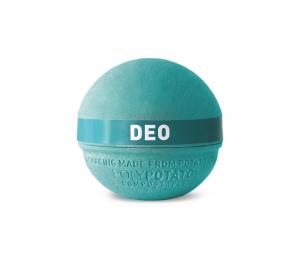
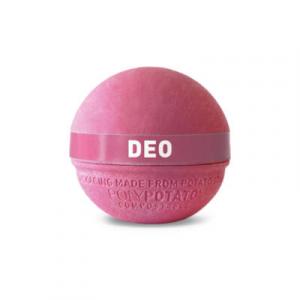
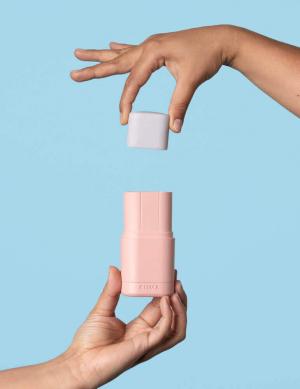
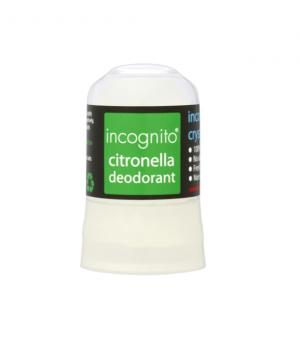
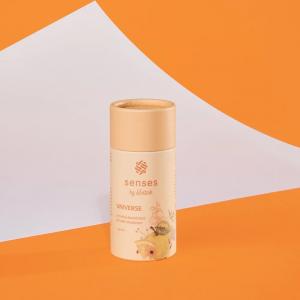
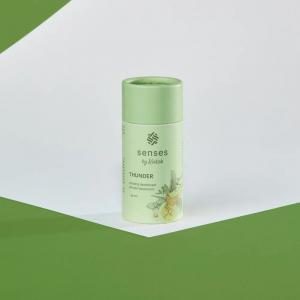
Try our natural products
What actually happens in the body during excessive sweating
The human body contains approximately 2 to 4 million sweat glands, and their distribution is not uniform. The highest density is found in areas such as the palms, soles of the feet, armpits, and face – precisely the areas where hyperhidrosis most commonly manifests. Sweating is controlled by the autonomic nervous system, specifically its sympathetic branch, which responds to thermal or emotional stimuli. In people with hyperhidrosis, this regulation is disrupted: the sweat glands receive a signal to work even when the situation does not require it at all.
Two basic types of this condition are distinguished. Primary hyperhidrosis has no apparent cause – it is essentially a dysfunction of the nervous system that often appears in childhood or adolescence and tends to be genetically determined. It typically affects both sides of the body symmetrically and subsides during sleep. Secondary hyperhidrosis, on the other hand, is a symptom of another disease or a side effect of medication. It can be caused by diabetes, thyroid disorders, menopause, obesity, certain infections, or for example antidepressants and blood pressure medications. While the primary form tends to be localised, the secondary form affects the entire body and may also manifest at night.
Understanding which type is involved is crucial for choosing the right treatment. If a person suddenly begins to sweat excessively in adulthood without an apparent cause, this is a signal that they should see a doctor and rule out any possible systemic disease. Conversely, for someone who has had excessively sweaty palms since secondary school and other family members share the same condition, it is in all likelihood the primary form.
Why do some people suffer from primary hyperhidrosis while others do not? The exact cause has not yet been fully explained, but research suggests that hypersensitivity of the sympathetic nervous system plays a key role. People with this diagnosis have the nerve pathways controlling the sweat glands set at a significantly lower activation threshold. Even mild stress, excitement, or minimal physical activity triggers sweating that, in a healthy person, would be reserved for intense exertion.
How hyperhidrosis affects everyday life
It would be a mistake to view hyperhidrosis merely as a cosmetic problem. Its effects are deeply psychological and social. Imagine a student who refuses to go to the board in class because they are afraid of wet patches on their shirt. Or a sales representative who avoids handshakes during meetings because they know their palms will be damp. Or a woman who will not buy a dress she longs for because she knows she will ruin it with sweat within an hour. These are real stories of people for whom every day is filled with careful planning and anxiety.
Studies published in the Journal of the American Academy of Dermatology repeatedly show that hyperhidrosis has a comparable impact on quality of life to psoriasis or eczema. People with this condition show higher rates of social anxiety, depression, and low self-esteem. Paradoxically, a vicious cycle is created: stress and anxiety worsen sweating, and sweating in turn deepens stress and anxiety.
As American dermatologist Dr. David Pariser, one of the world's leading experts on this topic, has said: "Hyperhidrosis is a condition that doctors overlook far too often, but patients never stop experiencing."
What actually helps with excessive sweating
The good news is that there are many ways to combat hyperhidrosis – from natural approaches to medical procedures. The choice depends on the severity of the condition, its location, and how much it interferes with everyday functioning.
The first step is usually an antiperspirant with a higher concentration of aluminium salts, specifically aluminium chloride. While standard antiperspirants from a drugstore contain 5 to 20% of the active ingredient, therapeutic preparations available in pharmacies without a prescription or on prescription can have a concentration of 20 to 30%. These substances physically block the sweat glands and reduce their activity. They are typically applied at night to dry skin, and their regular use can bring significant relief in milder forms. Some people, however, react with skin irritation, so it is important to start cautiously.
If antiperspirants are not sufficient, iontophoresis comes into play – a method in which the affected part of the body (most commonly the palms or soles of the feet) is immersed in water through which a weak electric current passes. The mechanism of action is not fully understood, but it is assumed that the electric current temporarily disrupts the function of the sweat glands. The therapy is carried out repeatedly, initially several times a week, and results come gradually. Iontophoretic devices for home use are now available in the Czech Republic and represent a long-term sustainable solution for many patients.
A very effective and increasingly popular method in recent years is botulinum toxin injections (Botox). The substance temporarily blocks the nerve signals that transmit the command to sweat to the sweat glands. The effect typically lasts 6 to 12 months, after which the procedure must be repeated. Injections are most commonly used for the armpits, but can also be applied to the palms, soles of the feet, or face. The disadvantages are the cost – in the Czech Republic, patients generally pay for the procedure themselves, as insurance companies do not typically cover it – and also the discomfort of the application itself, especially in sensitive areas such as the palms.
For those looking for natural approaches, several methods are worth mentioning that can at least alleviate the condition. Diet plays a surprisingly large role: caffeine, alcohol, spicy foods, and foods high in sugar stimulate the nervous system and can worsen sweating. Conversely, foods rich in magnesium, such as pumpkin seeds, almonds, or dark leafy greens, can calm the nervous system. Herbs such as sage have a similar effect – it has long been used in folk medicine as a natural antiperspirant, and some smaller studies suggest its effectiveness, although scientific evidence is still limited.
Clothing made from natural materials is another practical step that can significantly improve everyday comfort. Synthetic fabrics such as polyester or nylon retain moisture and heat, thereby worsening sweating. Cotton, linen, or bamboo, on the other hand, draw moisture away from the body, allow the skin to breathe, and reduce discomfort. For people with hyperhidrosis, the choice of clothing is an everyday strategy rather than merely a fashion decision – and investing in quality, breathable pieces genuinely pays off.
The psychological component of hyperhidrosis should not be underestimated. Cognitive behavioural therapy or stress management techniques such as mindfulness or regular yoga can break the vicious cycle of stress and sweating. This is not about treating hyperhidrosis itself, but about working with the anxiety that worsens it – and this can have a surprisingly significant impact on a person's overall condition.
In the most severe cases, where nothing else works, a surgical option comes into consideration – sympathectomy, which involves severing the nerve fibres that control the sweat glands. This is a minimally invasive procedure performed laparoscopically that is very effective for the armpits or palms. However, it carries its own risks, the most significant of which is so-called compensatory hyperhidrosis: after the procedure, the body begins to sweat excessively in other areas, most commonly the torso or thighs. It is precisely for this reason that doctors recommend this method only when other options have failed.
Choosing the right skincare is also important. People with hyperhidrosis are more susceptible to fungal and bacterial infections because the moist environment favours them. Regular use of gentle, pH-balanced cleansing products, thorough drying of the skin after bathing, and the possible use of natural powders – for example with kaolin or rice starch – can prevent unpleasant complications.
One area that deserves more attention is the gut microbiome. More recent research suggests a connection between the composition of the gut microflora and the function of the autonomic nervous system. A healthy diet rich in fermented foods, fibre, and prebiotics may have a positive effect on the regulation of the nervous system as a whole – and therefore potentially on the intensity of sweating as well. This is an area where science is only beginning to uncover interesting connections, and it would be premature to draw categorical conclusions, but incorporating sauerkraut, kefir, or kombucha into one's diet is beneficial in any case.
Hyperhidrosis is not something a person must silently endure and consider their personal burden. Modern medicine offers a whole range of solutions, natural approaches can significantly improve everyday comfort, and a mindful choice of clothing, diet, and personal care products can make a greater difference than might initially appear. The key is to understand what is happening in the body, to stop feeling ashamed of the condition, and to actively seek a path that works for the specific individual – because that path exists.