

# What Does Night Sweats Mean for Your Health
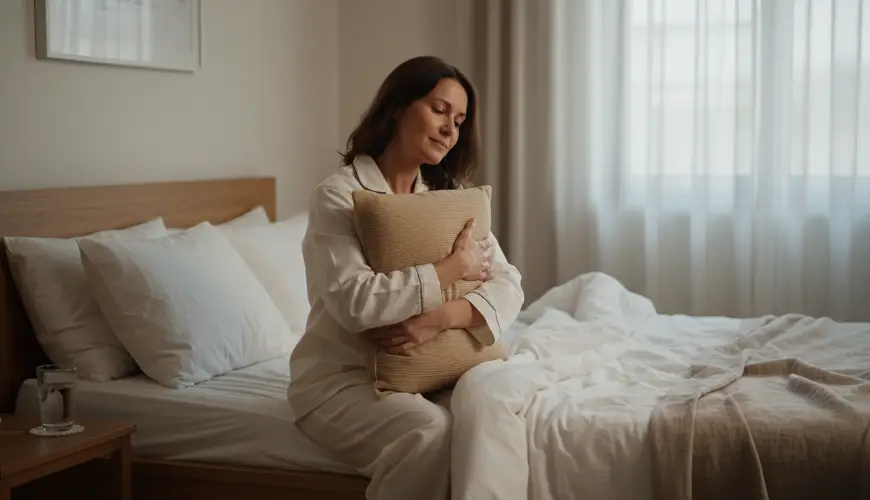
Waking up in the middle of the night with a wet shirt and damp sheets is an experience that far more people are familiar with than might initially appear. Night sweating is a phenomenon that most of us tend to overlook or dismiss – after all, it was just an extra blanket, or the bedroom was simply too warm, right? Yet cold sweats at night can be a signal worth taking seriously. The question is not just why it happens, but above all when it's time to stop making excuses and truly pay attention.
Night sweating differs from ordinary sweating during physical exertion in that it occurs without any apparent external cause – the body is not overheating due to hot weather or intense exercise. A person simply wakes up soaked, sometimes feeling cold, sometimes experiencing a sudden wave of heat, while the room temperature is perfectly normal. It is precisely this seemingly inexplicable nature that should prompt reflection, because the body very often uses this as a way of sending a message that something is happening inside that deserves attention.
Try our natural products
The most common causes of night sweating
There are many reasons why a person sweats at night, and the vast majority of them are completely harmless. One of the most common is an overly warm bedroom environment – experts recommend an ideal sleeping temperature of between 16 and 19 degrees Celsius, yet many homes have significantly higher temperatures in their bedrooms. The material of bedding and pyjamas plays a similar role: synthetic fabrics wick moisture considerably less effectively than natural materials such as cotton, linen or bamboo, leaving the body with no chance to cool down naturally.
Another very widespread reason is hormonal changes. In women during perimenopause and menopause, night sweats are quite literally a classic symptom accompanying the decline in oestrogen levels. This is nothing unusual – according to World Health Organization data, every woman goes through menopause, and night sweating is among the most commonly reported complaints of this period. However, hormonal fluctuations are not exclusive to middle-aged women: they can also occur in men experiencing a decline in testosterone, in adolescents, or in women with premenstrual syndrome.
Stress and anxiety are further candidates that contribute to night sweating far more than most people realise. Activation of the sympathetic nervous system – that evolutionary "fight or flight" mechanism – triggers sweating, among other responses, even during sleep, when the brain is processing daily experiences and emotional burdens. It is not uncommon for someone going through a difficult period in life, such as a divorce, job loss or caring for a sick loved one, to suddenly begin suffering from night sweats without making the connection.
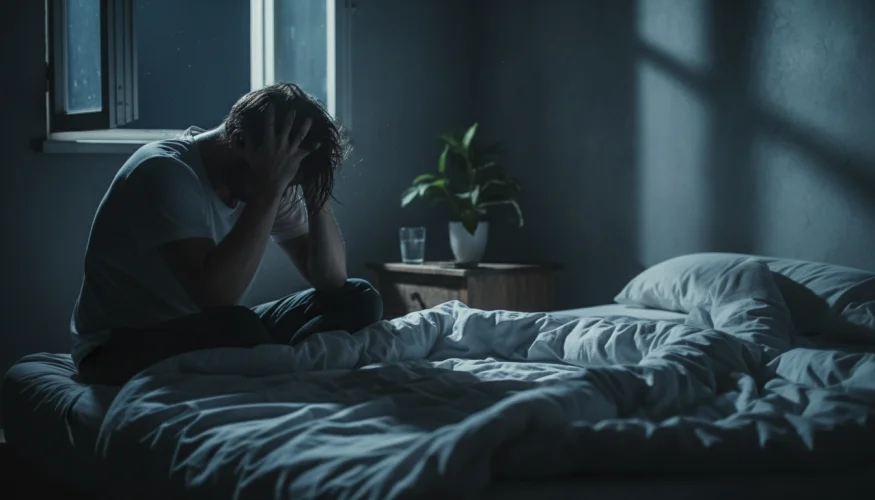
Certain medications can also play a role. Antidepressants from the SSRI group, blood pressure medications, steroids, or certain diabetes preparations are well known for causing night sweating as a side effect with relative frequency. If a person has started a new medication and night sweats appeared shortly afterwards, it is worth discussing this with a doctor – a change in dosage or switching to a different preparation may resolve the problem without further investigation.
When cold sweats at night signal something more serious
Although the causes mentioned above account for the vast majority of cases, there are situations where night sweating may be a symptom of a more serious illness. And it is precisely these situations that make it worthwhile to learn to distinguish when reaching for a lighter blanket is sufficient and when it is time to see a doctor.
Infections are one of the categories that doctors consider first when it comes to night sweating. Tuberculosis was historically so strongly associated with night sweating that it was referred to as "the night sweats of the consumptive." Today the incidence of tuberculosis in the Czech Republic is low, but night sweating accompanied by coughing, weight loss and general weakness should definitely not be ignored. Other bacterial or viral infections behave similarly, such as infective endocarditis or HIV at certain stages.
Night sweats can also be one of the symptoms of certain cancers, most commonly lymphomas. Hodgkin's lymphoma is directly associated with so-called "B symptoms," which include night sweating, fever and unexplained weight loss. This does not mean that everyone who sweats at night has cancer – absolutely not. But if night sweating occurs repeatedly, without an obvious cause, and is accompanied by other symptoms, a medical examination is entirely warranted.
Autoimmune diseases, such as rheumatoid arthritis or lupus, can also cause night sweating as a result of inflammation and immune system dysregulation. Certain endocrine disorders behave similarly – for example phaeochromocytoma, an adrenal gland tumour that produces adrenaline, or carcinoid. These diagnoses are rare, but precisely because they are rare, it is important that they be ruled out by a doctor based on examination, rather than by the patient themselves based on assumptions.
Hypoglycaemia, meaning low blood sugar, is another lesser-known cause of night sweating. It primarily affects people with diabetes who use insulin or oral antidiabetic medications, but it can also occur in otherwise healthy individuals, particularly after strenuous physical activity or after consuming alcohol. The body responds to a drop in glucose partly through sweating, which serves as one of its warning signals.
Signs that should prompt a visit to the doctor
So how can one tell when night sweating is merely an unpleasant but harmless matter, and when there is genuine cause for concern? General practitioners recommend monitoring several factors simultaneously. If night sweating persists for more than two to three weeks and cannot be explained by warmth in the room, stress or hormonal changes, it is time to speak with a doctor. The same applies when the sweating is so intense that a person needs to change their pyjamas or bedding in the middle of the night.
The combination of night sweating with other symptoms deserves particular attention. As the Mayo Clinic points out, a visit to the doctor is essential when night sweating is accompanied by fever, unintentional weight loss, pain or enlarged lymph nodes. It is precisely the combination of symptoms that helps doctors distinguish a trivial cause from a more serious illness.
An illustrative example from clinical practice is the story of a forty-six-year-old woman who visited her general practitioner complaining of night sweats and difficulty sleeping. She attributed it to approaching menopause and had been putting off the visit for nearly half a year. Her doctor nevertheless referred her for blood tests and imaging – and discovered a lymphoma at an early stage, when treatment is most effective. This story is certainly not intended to cause alarm, but to serve as a reminder that an early visit to the doctor can be the most important step.
As Hippocrates said: "Nature is the physician of diseases." The body has a remarkable ability to signal when something is wrong – and night sweating is one of those signals worth listening to.
What can be done to improve the situation
Regardless of the cause, there are many practical steps that can reduce or prevent night sweating. The first and simplest measure is to adjust the sleeping environment: lower the temperature in the bedroom, choose breathable bedding made from natural materials, and replace synthetic pyjamas with cotton or bamboo alternatives. Bamboo is a particularly interesting material in this regard – it is naturally thermoregulating, wicks moisture and is gentle on both skin and the environment.
Reducing alcohol consumption, particularly in the evening, can have a surprisingly significant effect. Alcohol dilates blood vessels and raises body temperature, and its metabolism during the night hours can trigger sweating that a person mistakenly attributes to other causes. Spicy foods or very fatty dinners eaten shortly before bedtime have a similar effect.
Managing stress is another area where much can be done. Regular physical activity, meditation, breathing exercises, or simply maintaining a consistent separation between work and personal time can reduce nervous system activation sufficiently for night sweating to diminish or disappear. Research published in the academic journal Sleep Medicine Reviews repeatedly shows that sleep quality and the degree of night sweating are closely linked to overall levels of psychological stress.
For women going through menopause, there are today both conventional medical options – hormone replacement therapy, phytotherapeutic preparations containing phytoestrogens – and complementary medicine approaches such as acupuncture or herbal teas made from St John's wort or sage, which have a long tradition in folk medicine. Before any therapeutic intervention, however, it is always advisable to consult a doctor or pharmacist.
Taking care of sleep quality and overall health is ultimately an investment that pays off. Cold sweats at night need not be a cause for panic, but they should certainly not be met with indifference. The body speaks – and the art of listening to it, without succumbing to unnecessary fear or conversely ignoring everything, is one of the most important skills we can develop in caring for our own health.