

# Which herbs are truly beneficial during pregnancy
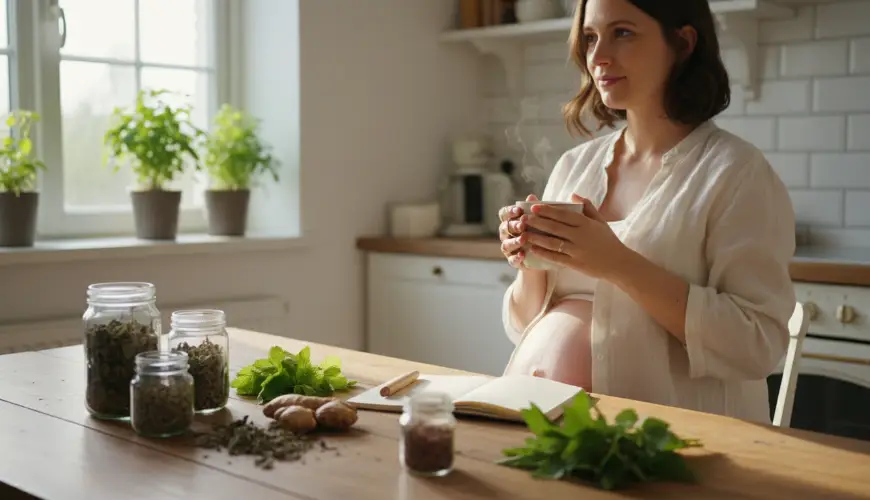
Pregnancy is a time when women naturally reassess their habits – what they eat, what they drink, what they breathe, and what they apply to their skin. One area that is surprisingly often overlooked is herbs. Many of them are part of everyday life: a cup of chamomile tea before bed, a spoonful of honey with ginger during a cold, a handful of fresh basil on pasta. However, the rules change during pregnancy. What was once a completely innocent part of one's diet may have an unexpected impact on the developing foetus. At the same time, not every herb is automatically dangerous – and it is precisely in making this distinction that the key to informed decision-making lies.
It is important to state right from the outset that herbs are not medicines in the conventional sense, but that does not mean they have no effect. On the contrary – many of them contain bioactive substances that can influence hormonal balance, cause uterine contractions, or cross the placental barrier. Scientific research in this area is still limited, because conducting clinical trials on pregnant women is ethically very challenging. Recommendations therefore draw on a combination of traditional knowledge, available scientific data, and the precautionary principle.
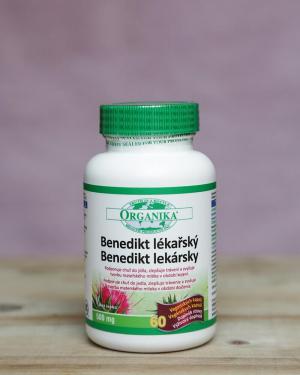
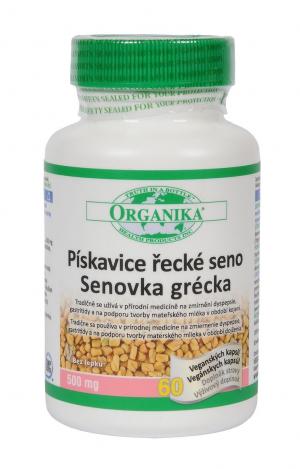
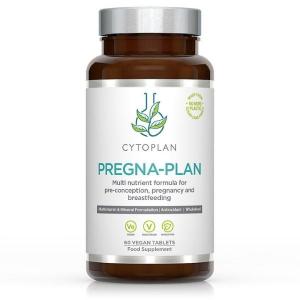
Try our natural products
Herbs considered safe during pregnancy
The good news is that there are a great many herbs that are generally considered safe during pregnancy when used sensibly. The most frequently cited example is ginger, particularly in the first trimester, when morning sickness affects a large proportion of pregnant women. Studies published in journals such as Obstetrics & Gynecology have confirmed that ginger can effectively reduce pregnancy-related nausea without demonstrable adverse effects on the foetus – when consumed in moderate amounts, roughly up to 1 gram per day.
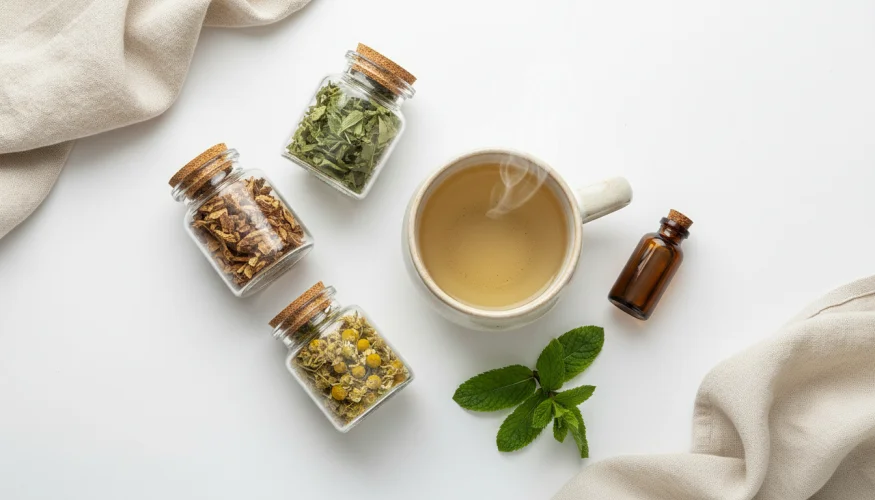
Another popular remedy is peppermint, which helps with digestive complaints. Peppermint tea is generally safe when consumed in reasonable quantities. Chamomile is in a similar position, although the situation here is somewhat more nuanced – in large amounts it can have mild stimulating effects on the uterus, so an occasional cup of tea is usually fine, but regularly drinking strong chamomile infusions is not recommended. This is a typical example of how what matters is not only the type of herb, but also the dosage and manner of use.
Another very popular herb during pregnancy is raspberry – specifically raspberry leaf, which is traditionally used especially in the third trimester as preparation for labour. It has a reputation as an herb that strengthens and tones the uterine muscle. For precisely this reason, however, it is not recommended in the first trimester – stimulating the uterus in early pregnancy is undesirable. In the third trimester, however, many midwives recommend it as a natural form of support. It is a fine example of how, with herbs, the stage of pregnancy also matters.
Among the safer herbs are also lemon balm, which helps with stress and insomnia, and nettle, rich in iron and minerals, which can be beneficial in preventing anaemia – a fairly common companion to pregnancy. Nettle tea or nettle added to food is generally considered safe and nutritionally valuable.
Herbs to avoid during pregnancy
At the other end of the spectrum are herbs whose use during pregnancy can be risky. The best-known example is sage – in small amounts as a seasoning it is fine, but sage tea or sage essential oil is not recommended during pregnancy. Sage contains thujone, a substance that can stimulate uterine contractions. Thyme is in a similar position – as a seasoning added to food it is perfectly safe, but in concentrated form as a tea or extract, pregnant women should avoid consuming it in excess.
Rhubarb and senna are herbs with pronounced laxative effects. During pregnancy they can cause cramping and intestinal stimulation in a way that also indirectly strains the uterus. Constipation is admittedly a common pregnancy complaint, but addressing it with these herbs is not appropriate – prunes, adequate fluid intake, and physical activity are better options.
Adaptogens such as ginseng, ashwagandha, and eleuthero form a chapter of their own. These herbs are currently very popular for their ability to reduce stress and enhance the body's resilience. However, their effects during pregnancy are insufficiently studied and their safety has not been confirmed. Ashwagandha, for example, has shown potentially negative effects on foetal development in some animal studies, and for this reason most specialists do not recommend it during pregnancy. Pregnant women should also exercise caution with St John's wort, which is otherwise an excellent herb for supporting mental wellbeing – during pregnancy, however, it can interact with medications and affect hormone levels.
Evening primrose and its oil deserve special attention. Evening primrose oil is sometimes recommended towards the end of pregnancy to support cervical ripening. However, the scientific evidence is conflicting and it should not be used without consulting a midwife or doctor.
Consider a situation that is by no means uncommon: a pregnant woman in her eighth month, troubled by insomnia, prepares a strong valerian tea every evening because it has always reliably helped her sleep. Valerian, however, is an herb whose safety during pregnancy has not been sufficiently established and whose sedative effects can be unpredictable during pregnancy. A better choice in such a case would be lemon balm or simply warm milk with honey.
How to approach herbs sensibly during pregnancy
So how can all of this be summed up? The fundamental rule remains: less is more. Herbs in the form of seasoning added to food are generally safe, because the amounts involved are minimal. The problem arises when herbs are consumed in the form of strong teas, tinctures, capsules, or essential oils – that is, in concentrated form, where their active compounds are present in much higher doses.
As the saying goes, which holds true in herbalism as well: "The dose makes the poison." This statement, attributed to Paracelsus, is particularly apt in the context of pregnancy. No herb is automatically dangerous or automatically safe – it depends on the form, the amount, the frequency, and the stage of pregnancy.
A very practical resource is the LactMed database from the US National Library of Medicine, which primarily covers breastfeeding but also contains relevant information about the effects of various substances during pregnancy. For readers seeking guidance in their own language, consulting a gynaecologist or certified midwife – who have access to current recommendations and are familiar with the individual woman's health situation – is an appropriate course of action.
Another important aspect is the quality of herbal products. There is an enormous range of teas, supplements, and tinctures of varying quality on the market. Some products may be contaminated with pesticides or heavy metals; others may not contain the declared amount of active ingredients. It is therefore advisable to choose products from reputable manufacturers who pay attention to the quality of their raw materials and transparent labelling. Organically grown herbs free from chemical sprays are a particularly suitable choice during pregnancy – the body of a pregnant woman is more sensitive to foreign substances, and any unnecessary additional chemical burden is undesirable.
Pregnancy is also a time when many women begin to take a greater interest in natural care more broadly – in the ingredients in their cosmetics, cleaning products, or textiles they come into contact with. This approach makes great sense, because the skin absorbs various substances, and pregnant women are naturally motivated to minimise unnecessary exposure to chemicals. In this context, herbs are not an isolated topic but part of a broader mindful approach to one's own body and health.
When it comes to aromatherapy and essential oils derived from herbs – caution is even more warranted here than with teas. Essential oils are extremely concentrated, and some of them, such as eucalyptus, rosemary, and sage, are explicitly not recommended during pregnancy even for inhalation or massage. Lavender, on the other hand, is generally considered safe and can help with relaxation and insomnia.
It is natural that pregnant women look for natural ways to feel better and to support a healthy pregnancy. Herbs can be part of this approach – but with the awareness that a natural origin does not automatically mean safe. The best approach remains a combination of common sense, informed decision-making, and open communication with a doctor or midwife. Pregnancy is unique to each woman, and what benefits one may not be suitable for another – and it is precisely for this reason that it is worth paying a little more attention to herbs than we may be accustomed to.